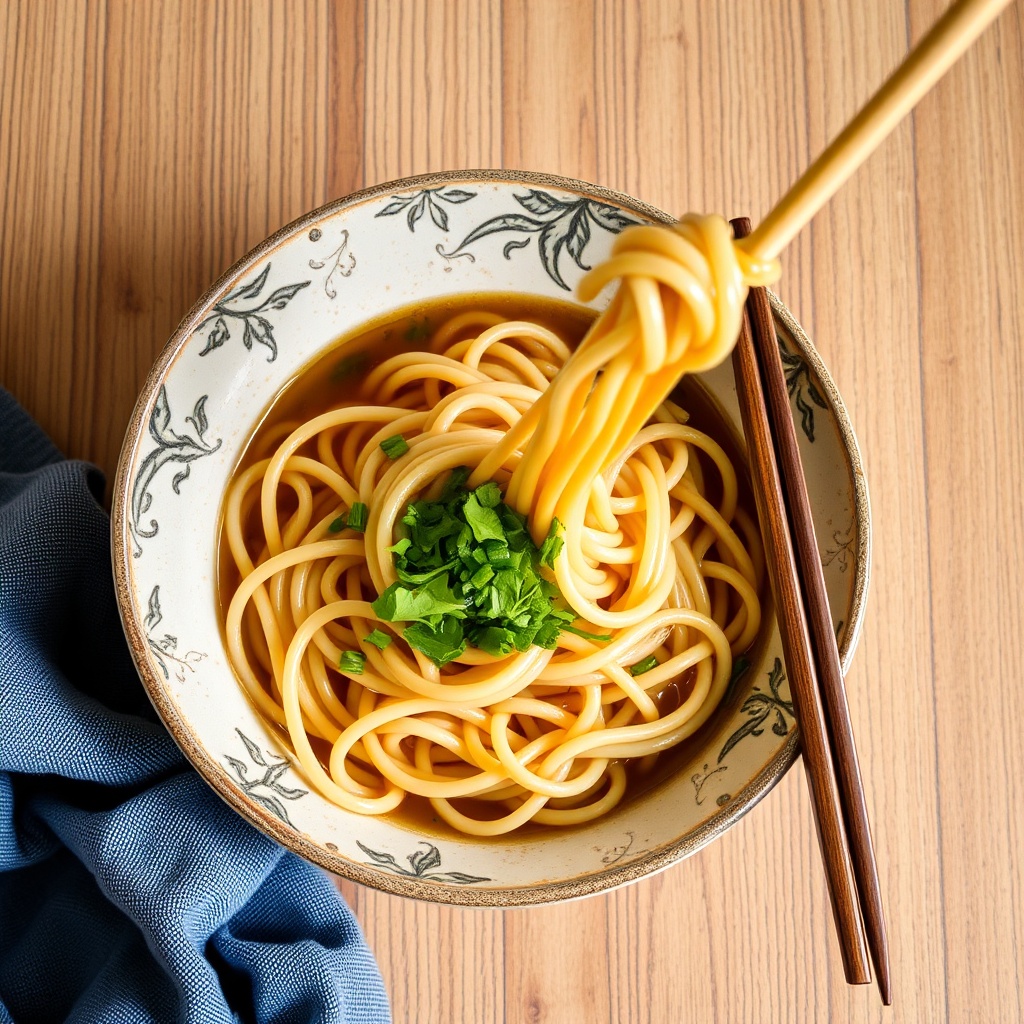
10+ Best Vegan Soba Noodle Recipes (Healthy & Quick)
Discover delicious and healthy vegan soba noodle recipes! From vibrant salads to comforting broths, learn how to cook and enjoy these versatile buckwheat noodle
About soba noodles
Discovering Soba Noodles: Your New Vegan Pantry Staple
Soba noodles, those delightful thin noodles hailing from Japan, are a true gem in the world of plant-based cooking. Made primarily from buckwheat flour, they boast a distinct nutty flavor and a satisfying chewiness that sets them apart from other pasta varieties. Whether you're a seasoned vegan chef or just exploring the vibrant world of plant-based cuisine, soba noodles offer incredible versatility, making them perfect for everything from quick weeknight meals to elegant dinner parties. They're often enjoyed chilled in refreshing salads or served hot in savory broths, adapting beautifully to a myriad of flavors and preparations.
The Wholesome Benefits of Soba Noodles for Vegans
For those following a vegan diet, soba noodles are an excellent addition to your nutritional repertoire. Buckwheat, despite its name, is not related to wheat; it's a pseudocereal that is naturally gluten-free (though check labels, as some soba contains wheat flour) and packed with goodness. Soba noodles are a fantastic source of plant-based protein, providing approximately 14 grams per 150g dry serving, which is vital for muscle repair and overall bodily function. They also offer a good dose of complex carbohydrates, ensuring sustained energy release throughout your day. Beyond macros, soba noodles contribute significant micronutrients, including essential minerals like iron (about 2.7mg), magnesium (95mg), phosphorus (254mg), potassium (252mg), and zinc (1.71mg). These play crucial roles in everything from red blood cell formation and bone health to nerve function and immune support. Furthermore, they contain B vitamins like thiamin (0.48mg), riboflavin (0.13mg), and niacin (3.21mg), which are key for energy metabolism.
Selecting and Storing Your Soba Noodles
When selecting soba noodles, pay attention to the ingredients list. For a truly authentic and often gluten-free experience, look for brands made from 100% buckwheat flour. Many commercial soba noodles contain a blend of buckwheat and wheat flour (often labeled 'tsunagi' or 'hachiwari'), which gives them a smoother texture but means they are not gluten-free. The higher the percentage of buckwheat, the nuttier the flavor and the darker the noodle. Choose packages that are intact and free from moisture.
Storing dried soba noodles is incredibly simple. Keep them in their original packaging or transfer them to an airtight container in a cool, dry, dark pantry away from direct sunlight and strong odors. Stored correctly, dried soba noodles can last for up to two years. Once cooked, soba noodles should be thoroughly rinsed with cold water to remove excess starch and prevent sticking, then drained well. Store cooked soba noodles in an airtight container in the refrigerator for up to 2-3 days. They are best enjoyed fresh, but leftovers are fantastic for cold salads or quick stir-fries.
Frequently Asked Questions
To cook soba noodles, bring a large pot of water to a rolling boil. Add the dried noodles and cook according to package directions, usually 3-5 minutes, stirring occasionally to prevent sticking. They cook quickly, so watch them closely to avoid overcooking. Once al dente, drain immediately and, for most recipes (especially cold dishes), rinse thoroughly under cold running water to remove excess starch and stop the cooking process. This also helps prevent them from clumping together.
soba noodles Recipes


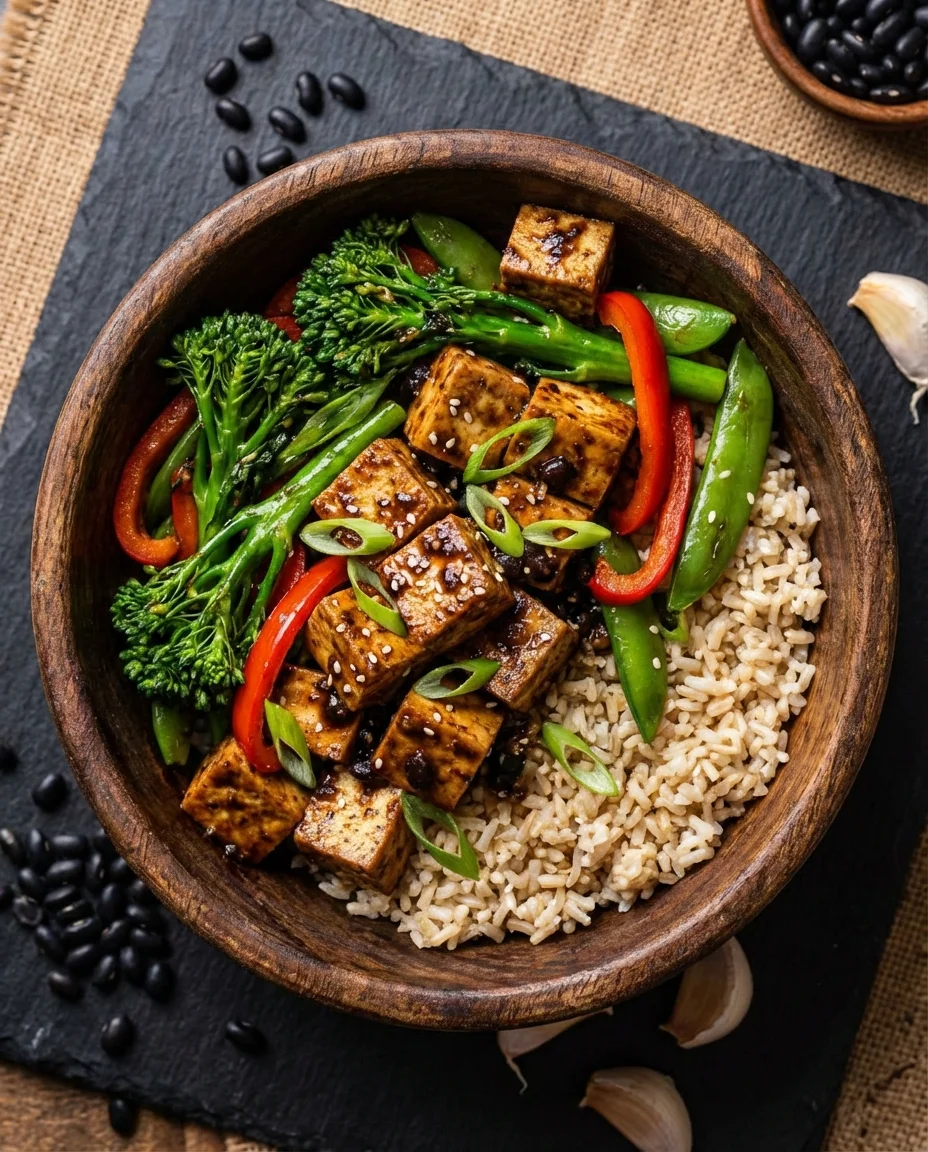
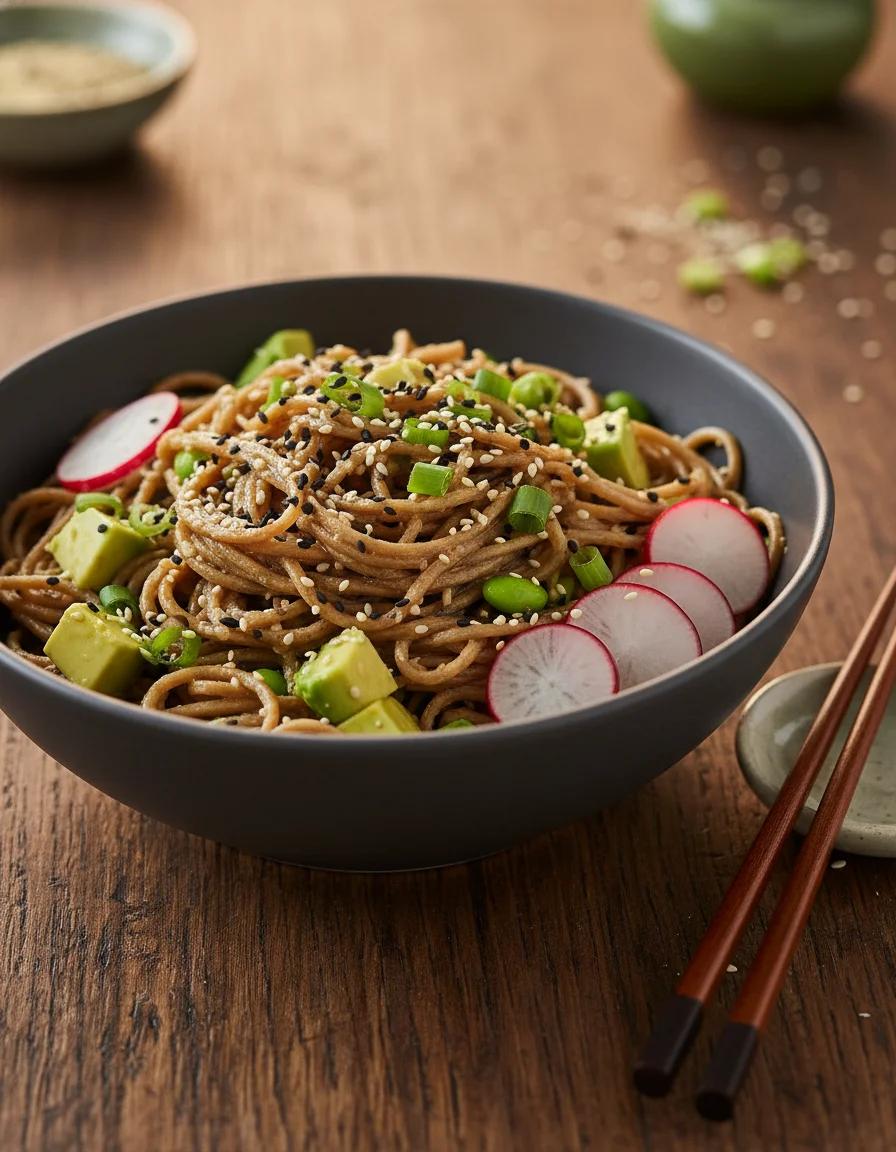

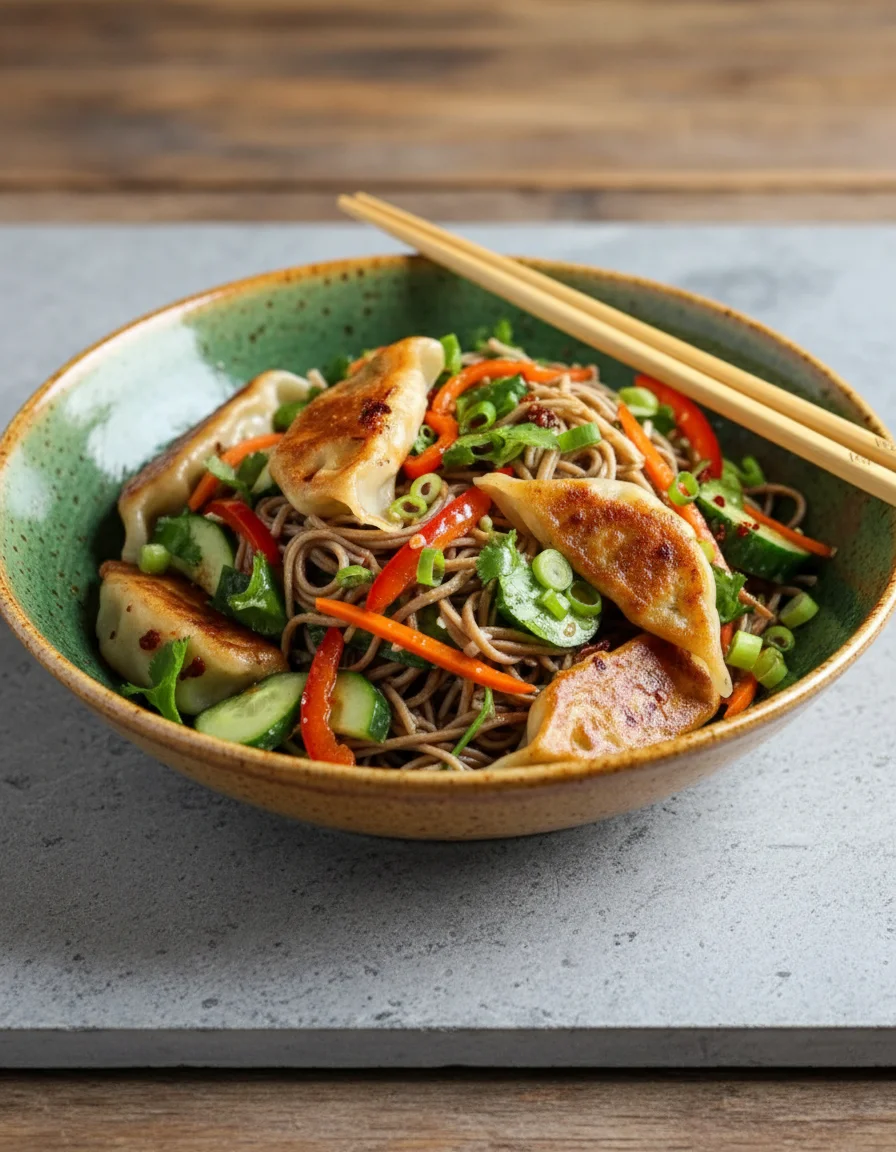
Showing 6 of 6 recipes