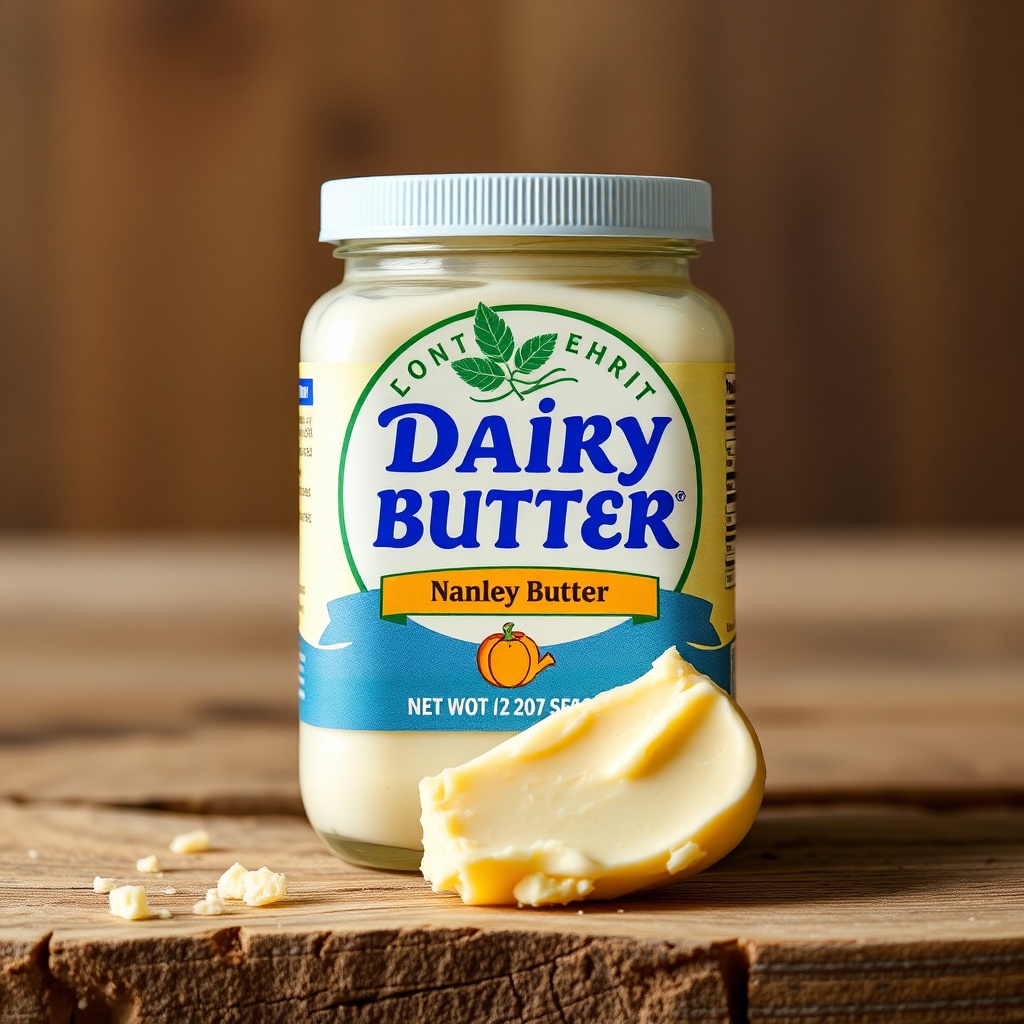
8+ Best Vegan Non-Dairy Butter Recipes (Healthy & Easy)
Discover the best vegan non-dairy butter recipes! Perfect for baking, sautéing, or spreading, explore healthy and delicious ways to enjoy this plant-based stapl
About non dairy butter
Welcome to the World of Vegan Non-Dairy Butter!
In the vibrant realm of plant-based cooking, non-dairy butter stands out as a true game-changer. For anyone transitioning to a vegan lifestyle or simply looking to reduce their dairy intake, this versatile ingredient provides all the richness, flavor, and functionality of traditional butter, without any animal products. From flaky pastries to savory sautés, creamy sauces to simple toast, non-dairy butter ensures you never have to compromise on taste or texture.
The Wholesome Benefits of Non-Dairy Butter
Beyond its incredible versatility, non-dairy butter offers a compelling nutritional profile that aligns perfectly with a healthy, plant-forward diet. Unlike traditional butter, many non-dairy varieties are formulated with a blend of beneficial plant-based oils, which can contribute to a healthier fat intake. Specifically, non-dairy butter can be a great source of:
- Healthy Fats: Depending on the base oils (like coconut, avocado, or shea), non-dairy butter can offer monounsaturated and polyunsaturated fats, which are known to support heart health. The data shows total fat at 38.71g per 100g, with significantly lower saturated fat (4.77g) compared to traditional butter, and good levels of monounsaturated (18.932g) and polyunsaturated (11.948g) fats.
- Vitamins A, E, and K: Our non-dairy butter is often fortified with essential vitamins. It's a fantastic source of Vitamin A (1370.1 µg), crucial for vision and immune function, Vitamin E (37.22 mg), a powerful antioxidant, and Vitamin K (56.5 µg), vital for blood clotting and bone health.
- Cholesterol-Free: As a plant-based product, non-dairy butter is naturally cholesterol-free, making it a smart choice for those monitoring their cholesterol levels.
- Lactose-Free: An obvious but important benefit for those with lactose intolerance or dairy allergies, non-dairy butter provides a safe and delicious alternative.
Selecting the Best Non-Dairy Butter
With an increasing array of options available, choosing the right non-dairy butter can seem daunting, but a few tips can guide you:
- Check the Ingredients: Look for products made with wholesome plant oils like coconut oil, avocado oil, olive oil, or shea butter. Avoid those with excessive additives or highly processed oils if possible.
- Consider Your Use: Some non-dairy butters are formulated specifically for baking (often higher fat content for flakiness), while others are ideal for spreading or sautéing. Read the labels to match the product to your needs.
- Salted vs. Unsalted: Just like dairy butter, non-dairy versions come in both salted and unsalted. Keep both on hand for versatility in recipes.
- "Vegan" Certification: Ensure the product is clearly labeled "vegan" to guarantee no animal-derived ingredients are present.
Keeping Your Non-Dairy Butter Fresh: Storage Tips
Proper storage is key to maintaining the quality and extending the shelf life of your non-dairy butter:
- Refrigeration is Essential: Always store non-dairy butter in the refrigerator. It tends to soften more quickly at room temperature than dairy butter due to its different fat composition.
- Airtight Container: Keep it in its original packaging or transfer it to an airtight container to prevent it from absorbing odors from other foods in your fridge.
- Freezing for Longevity: Non-dairy butter freezes exceptionally well. If you buy in bulk or won't use it quickly, wrap it tightly in plastic wrap or foil, then place it in a freezer-safe bag. It can last for several months in the freezer. Thaw in the refrigerator before use.
- Check Expiry Dates: Always adhere to the "best by" or "use by" date printed on the packaging for optimal freshness and safety.
Embrace non-dairy butter in your vegan kitchen, and you'll discover a world of delicious possibilities for all your favorite dishes!
Vegan Substitutions
Plant-based alternatives for non dairy butter in your recipes
| Original Ingredient | Replace with | Vegan Alternative | Notes |
|---|---|---|---|
| Dairy Butter | Non-Dairy Butter | Use in a 1:1 ratio for baking, cooking, or spreading. Choose unsalted for recipes where you control the salt content, and salted for general use or spreading. Be mindful that some brands have slightly different flavor profiles or melting characteristics. |
Substitution ratios may vary by recipe. Start with a 1:1 ratio and adjust to taste.
Frequently Asked Questions
Non-dairy butter is typically made from a blend of plant-based oils like coconut, avocado, olive, or shea butter, combined with water, salt, and sometimes natural flavors and emulsifiers. It's incredibly versatile and can be used as a 1:1 substitute for dairy butter in almost any recipe. It's perfect for baking (cookies, cakes, pastries), sautéing vegetables, making creamy sauces, spreading on toast or bagels, and even for browning dishes.
non dairy butter Recipes

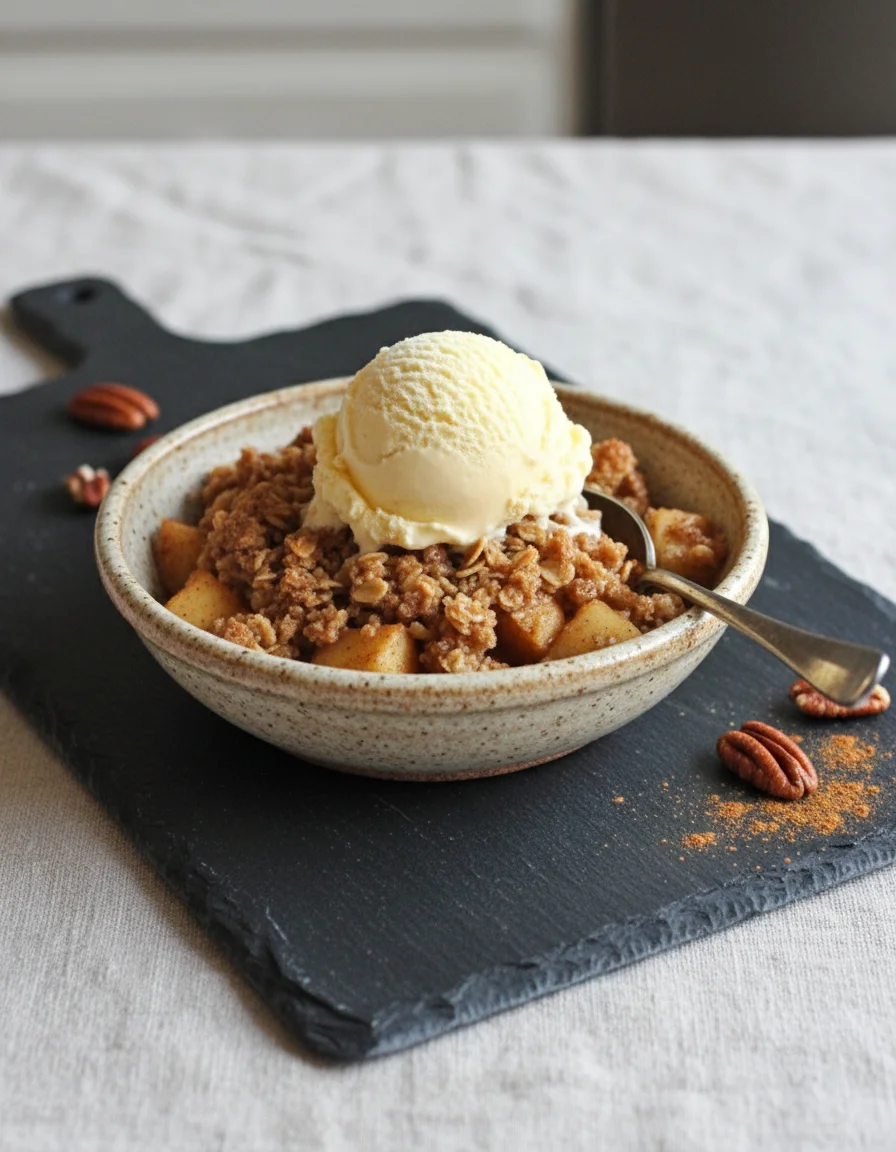


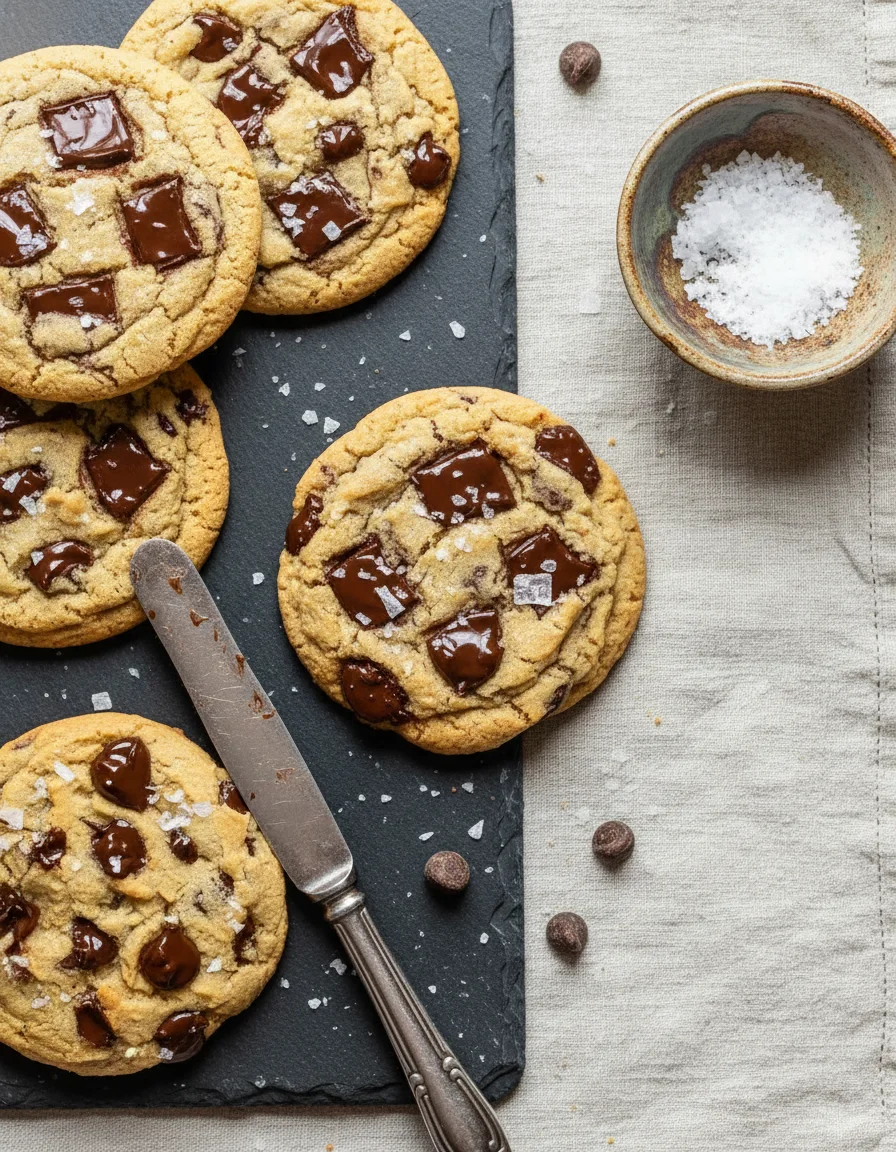

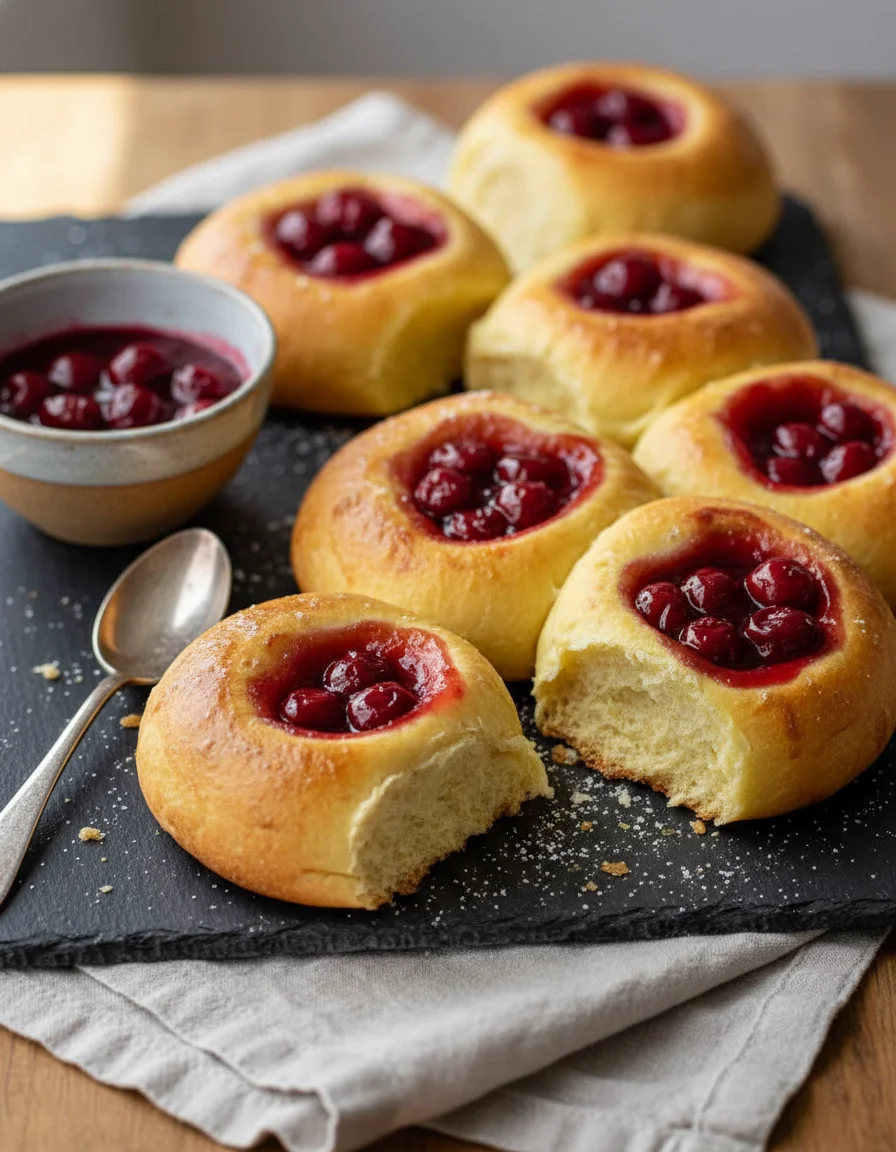
Showing 8 of 8 recipes