The Ultimate Guide to Vegan White Sushi Rice: Recipes, Benefits & Cooking Tips
Discover the magic of vegan white sushi rice! Learn how to perfectly cook, store, and enjoy its health benefits in delicious plant-based recipes.
About white sushi rice
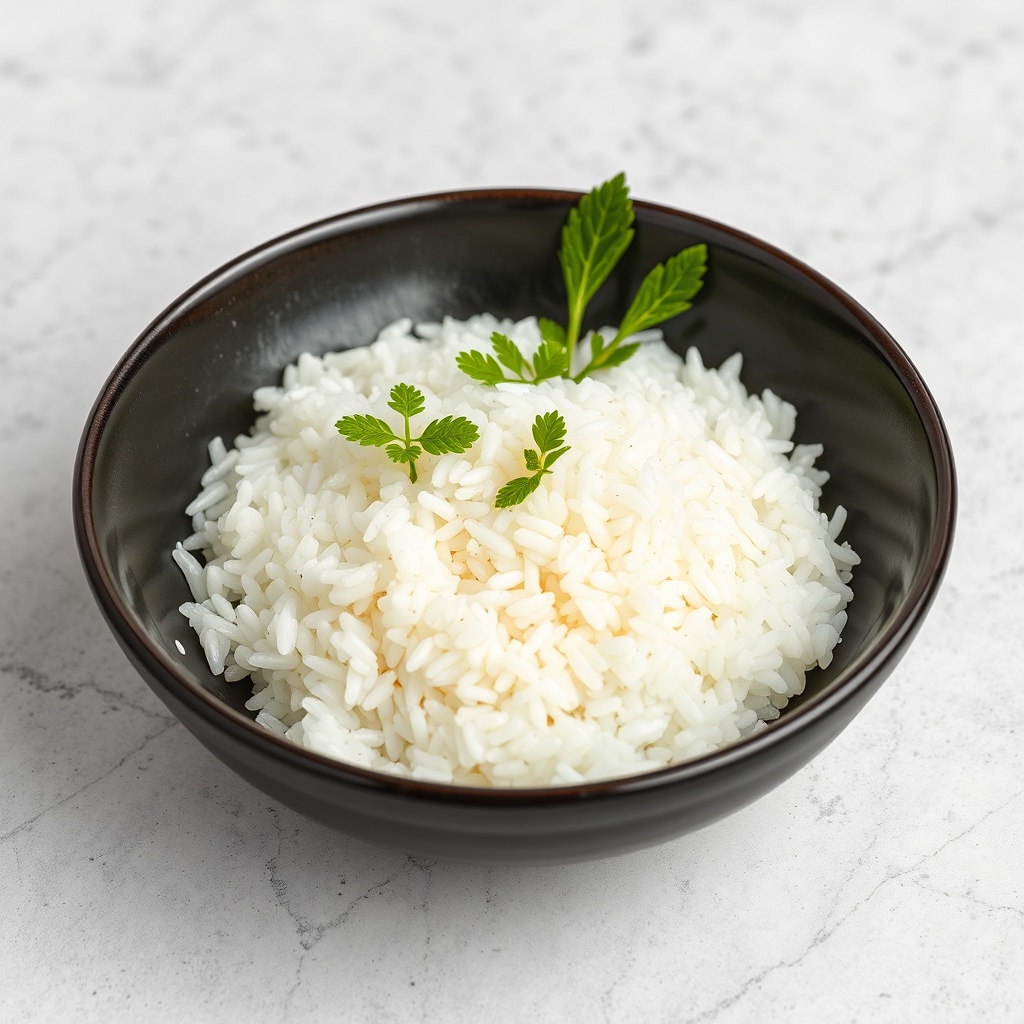
White sushi rice, also known as short-grain japonica rice, is a staple in many cuisines, particularly renowned for its role in sushi. But its culinary potential extends far beyond those iconic rolls, making it a fantastic addition to any vegan kitchen. With its distinct sticky texture and mild flavor, white sushi rice provides a delightful base for a myriad of plant-based dishes, from vibrant poke bowls to comforting rice salads and even sweet treats.
Health Benefits of White Sushi Rice for Vegans
While often seen simply as a carb, white sushi rice offers several valuable nutritional benefits, especially as part of a balanced vegan diet. It's an excellent source of quick and sustained energy, thanks to its high carbohydrate content, fueling your body and brain throughout the day. Although not a primary protein source, it contributes a modest amount of plant-based protein, aiding in muscle repair and growth. Furthermore, white sushi rice provides essential minerals such as magnesium, which is vital for nerve and muscle function, and selenium, an important antioxidant that supports immune health. You'll also find small amounts of zinc and several B vitamins, including thiamin and niacin, which play roles in energy metabolism.
Selecting the Best White Sushi Rice
Choosing the right sushi rice is key to achieving that perfect texture. When shopping, look for packages specifically labeled as "sushi rice" or "short-grain japonica rice." These varieties are bred to have the ideal starch content that creates the characteristic stickiness when cooked. Examine the grains; they should be plump, opaque, and uniform in size. Avoid bags with a lot of broken grains or a dusty appearance, as this can affect the final texture of your cooked rice.
Proper Storage for Freshness
Proper storage ensures your white sushi rice remains fresh and delicious. Uncooked dry sushi rice should be stored in an airtight container in a cool, dry, and dark place, away from direct sunlight and moisture. This will keep it fresh for up to one year. Once cooked, leftover white sushi rice should be cooled quickly and then stored in an airtight container in the refrigerator for no more than 3-4 days. For longer storage, cooked rice can be frozen in a freezer-safe bag or container for up to one month, though its texture might change slightly upon thawing and reheating.
Beyond traditional sushi, this versatile grain shines in vegan main courses like Buddha bowls, stuffed vegetables, crispy rice patties, or even as a simple, satisfying side. Its ability to absorb flavors makes it a perfect canvas for sauces, spices, and fresh vegetables, offering endless creative possibilities for your plant-based meals.
Frequently Asked Questions
To cook white sushi rice, first rinse 1 cup of dry rice under cold running water until the water runs clear. This removes excess starch. Then, soak the rinsed rice in 1.25 cups of fresh cold water for 20-30 minutes. Transfer to a pot, bring to a boil, then reduce heat to low, cover tightly, and simmer for 15 minutes. Remove from heat and let it steam, still covered, for another 10-15 minutes. Finally, fluff with a rice paddle, and for sushi, gently fold in a mixture of rice vinegar, sugar, and salt while still warm.
white sushi rice Recipes


Showing 5 of 5 recipes