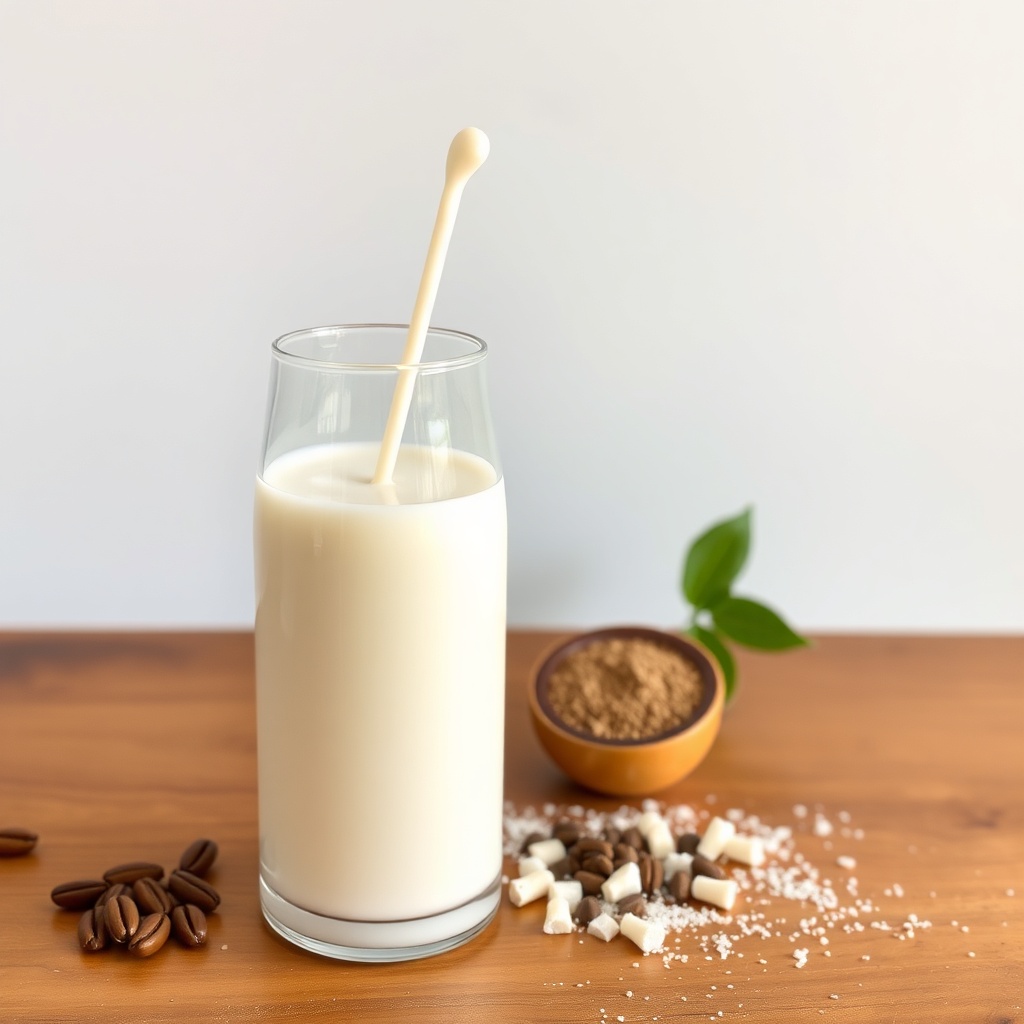
10+ Best Vegan Milk Recipes & Guide (Healthy & Easy)
Discover everything about vegan milk, from its health benefits and different types to storage tips and how to use it in delicious vegan recipes. Perfect for all
About vegan milk
Welcome to the World of Vegan Milk
Vegan milk, often referred to as plant-based milk, has become a staple in countless kitchens worldwide. Far more than just a dairy alternative, these diverse beverages offer a delicious and versatile way to enjoy everything from your morning coffee to creamy sauces, baked goods, and smoothies. With an ever-expanding variety available – from rich soy and creamy oat to nutty almond and luscious cashew – there's a vegan milk for every taste and culinary application. Whether you're new to plant-based eating or a seasoned vegan chef, understanding the nuances of different vegan milks can elevate your cooking and baking to new heights.
Health Benefits of Vegan Milk
Vegan milk, particularly fortified varieties, offers a wealth of nutritional advantages, making it an excellent choice for a healthy, plant-based diet. Many vegan milks are a great source of plant-based protein, with options like soy milk providing approximately 2.6 grams per 130g serving. They are often fortified with essential vitamins and minerals that can sometimes be harder to obtain on a vegan diet. For instance, many brands add calcium (around 123mg per 130g in fortified soy milk), Vitamin D (1.1µg), and Vitamin B12 (0.85µg), which are crucial for bone health, immune function, and energy. Additionally, vegan milks are typically lower in saturated fat compared to dairy milk (soy milk contains about 0.205g saturated fat per 130g) and are naturally cholesterol-free. They also contribute small amounts of fiber, magnesium, phosphorus, and potassium, supporting overall well-being and digestive health. Opting for unsweetened versions helps keep sugar intake in check, making them an ideal base for a balanced diet.
Selection Tips for Vegan Milk
Choosing the right vegan milk depends on your intended use and personal preference. When selecting, consider these factors:
- Base Type: Soy milk is excellent for protein and richness, good for baking and savory dishes. Almond milk is light and lower in calories, great for cereals and smoothies. Oat milk offers a creamy texture, perfect for coffee and lattes. Cashew milk is incredibly creamy for sauces and desserts. Rice milk is thin and allergy-friendly. Coconut milk (drinkable carton type) is slightly sweet and adds a tropical note.
- Unsweetened vs. Sweetened: Always opt for unsweetened varieties for cooking, baking, or if you prefer to control the sweetness yourself. Sweetened versions are better for beverages or specific desserts.
- Fortification: Look for milks fortified with calcium, Vitamin D, and Vitamin B12 to ensure you're getting crucial nutrients.
- Ingredients: Check the ingredient list for unnecessary additives, gums, or excessive sugars. Simpler is often better.
- Organic & Non-GMO: If these are important to you, seek out certified organic and non-GMO options, especially for soy products.
Storage Tips for Vegan Milk
Proper storage ensures your vegan milk stays fresh and delicious:
- Unopened Cartons: Shelf-stable vegan milks (often found in the dry goods aisle) can be stored in a cool, dark pantry until the 'best by' date, which can be several months away.
- Refrigerated Cartons: Vegan milks purchased from the refrigerated section must be kept refrigerated, even before opening, and consumed by their 'best by' date.
- After Opening: Once opened, all types of vegan milk must be refrigerated. They typically last for 7-10 days after opening, though this can vary slightly by brand and type. Always check the packaging for specific recommendations.
- Freezing: While you can freeze vegan milk in ice cube trays for later use in smoothies or cooking, the texture might change slightly (become grainy or separated) upon thawing. It's generally not recommended for drinking straight.
Vegan milk's versatility is truly unmatched. It can replace dairy milk in virtually any recipe, making it an indispensable ingredient for countless vegan dishes. From creamy curries and comforting pasta sauces to fluffy pancakes and rich puddings, vegan milk opens up a world of culinary possibilities.
Vegan Substitutions
Plant-based alternatives for vegan milk in your recipes
| Original Ingredient | Replace with | Vegan Alternative | Notes |
|---|---|---|---|
| Dairy Milk | Vegan Milk (soy, almond, oat, cashew, rice, coconut) | Use a 1:1 ratio. For baking, soy or oat milk often provide the best texture. For savory dishes, unsweetened varieties are best. Almond milk is lighter, while cashew or full-fat coconut milk (from a carton, not canned) can add richness. |
Substitution ratios may vary by recipe. Start with a 1:1 ratio and adjust to taste.
Frequently Asked Questions
Vegan milks, especially fortified ones, are excellent sources of plant-based protein (like soy milk), calcium, Vitamin D, and Vitamin B12, which are crucial for bone health and overall well-being. They are also typically lower in saturated fat and cholesterol-free, offering a healthy alternative to dairy milk.
vegan milk Recipes


Showing 7 of 7 recipes