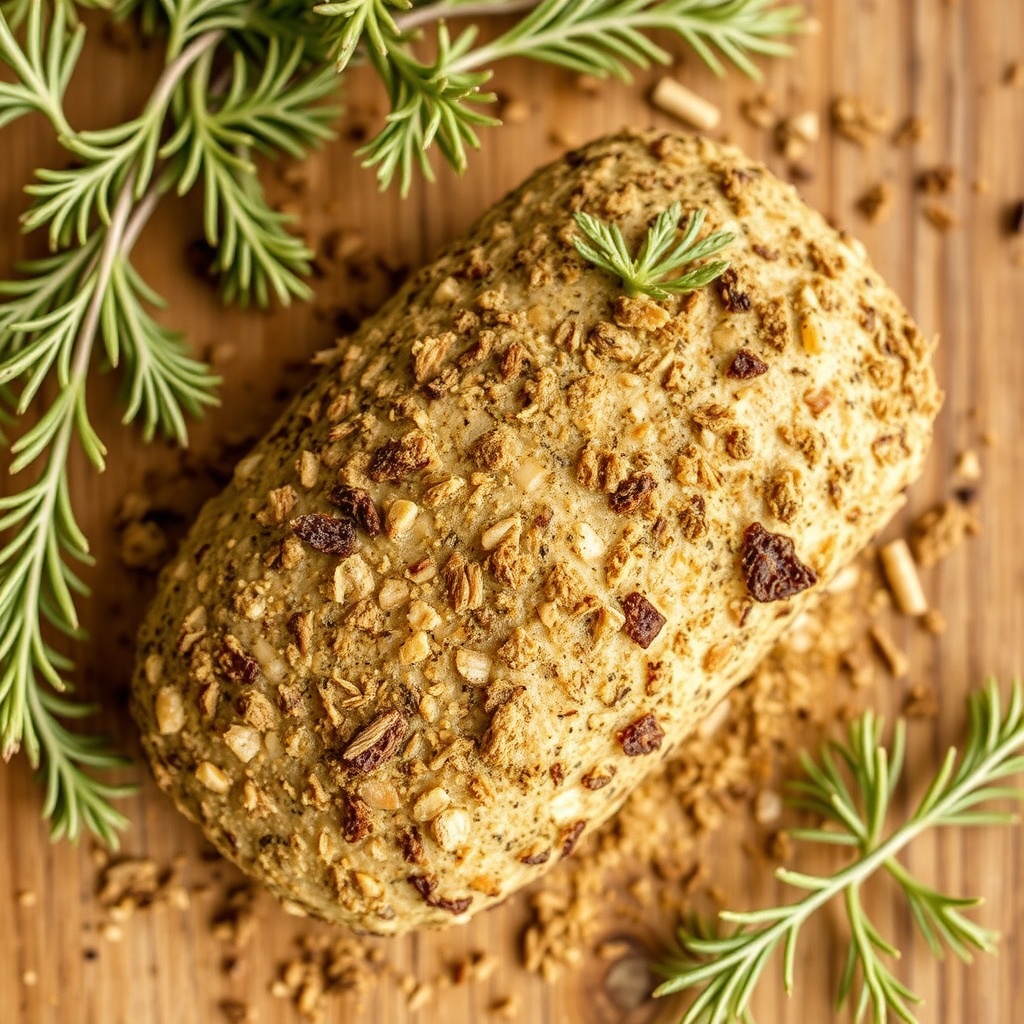
Vegan Rubbed Sage: Recipes, Benefits & Uses for Plant-Based Cooking
Discover the aromatic world of rubbed sage in vegan cooking! Explore delicious recipes, its surprising health benefits, and tips for selecting and storing this
About rubbed sage
Welcome to the world of rubbed sage! This wonderfully aromatic herb, a staple in savory cooking, brings a distinctive earthy, slightly peppery, and subtly minty flavor profile to a myriad of dishes. For vegans, rubbed sage is a secret weapon, adding depth and a comforting, "homestyle" quality to plant-based meals that often mimic traditional favorites like stuffings, gravies, and hearty stews. Unlike its finely powdered counterpart, ground sage, rubbed sage consists of lighter, fluffier flakes of dried sage leaves, offering a more robust flavor and appealing texture that disperses beautifully throughout your cooking. It’s incredibly versatile, lending its unique charm to everything from roasted vegetables and bean dishes to plant-based sausages and creamy sauces.
Health Benefits of Rubbed Sage for Vegans
Beyond its incredible flavor, rubbed sage boasts a surprisingly impressive nutritional profile, making it a valuable addition to any vegan diet. While typically used in small quantities, its concentrated nutrients contribute significantly. It's an excellent source of dietary fiber (over 40g per 100g), which supports digestive health and satiety. Sage is also packed with essential vitamins and minerals. It's exceptionally rich in Vitamin K, crucial for blood clotting and bone health, and a good source of Vitamin A, important for vision and immune function. Furthermore, rubbed sage provides a notable amount of iron, vital for energy and blood production, especially important for those on a plant-based diet to consider. You'll also find calcium, magnesium, and potassium, contributing to strong bones, muscle function, and electrolyte balance. The powerful antioxidants present in sage, like rosmarinic acid, luteolin, and apigenin, are known for their anti-inflammatory properties, helping to protect your cells from damage. Incorporating this potent herb into your vegan cooking not only elevates the taste but also provides a powerful boost of health-promoting compounds.
How to Select Quality Rubbed Sage
When choosing rubbed sage, whether in bulk or pre-packaged, always prioritize freshness and quality for the best flavor. Look for an herb that has a vibrant, grey-green color; avoid any that appear dull, brownish, or faded, which can indicate staleness. Gently rub a small amount between your fingers – a strong, pleasant, herbaceous aroma should be immediately evident. If it smells faint or dusty, it's likely past its prime. Opt for organic varieties when possible to ensure you're getting a product free from pesticides and other unwanted chemicals. Reputable spice brands are usually a good bet, ensuring proper processing and storage. Always check the expiration date if pre-packaged.
Storage Tips to Keep Your Sage Fresh
Proper storage is key to preserving the potency and flavor of your rubbed sage. Once opened, transfer it to an airtight container, such as a glass jar with a tight-fitting lid, to protect it from air, moisture, and light. Store this container in a cool, dark place, like a pantry or spice cabinet, away from direct sunlight, heat sources (like stoves or ovens), and humidity. While it won't spoil, sage, like other dried herbs, will gradually lose its flavor and aroma over time. For optimal potency, try to use rubbed sage within six months to a year of purchase. You'll know it's time for a replacement if the color has faded significantly or if it no longer emits a strong fragrance when crushed.
Frequently Asked Questions
Rubbed sage consists of light, fluffy flakes of dried sage leaves, offering a more rustic texture and a slightly bolder, more nuanced flavor. Ground sage, on the other hand, is finely powdered, providing a smoother consistency and a more concentrated flavor that can sometimes be overwhelming if overused. For most savory vegan dishes like stuffings, roasts, or hearty stews where you want the sage to stand out visually and texturally, rubbed sage is often preferred. Ground sage is best for dishes where you want the flavor to blend seamlessly, such as in smooth gravies or spice rubs.
rubbed sage Recipes


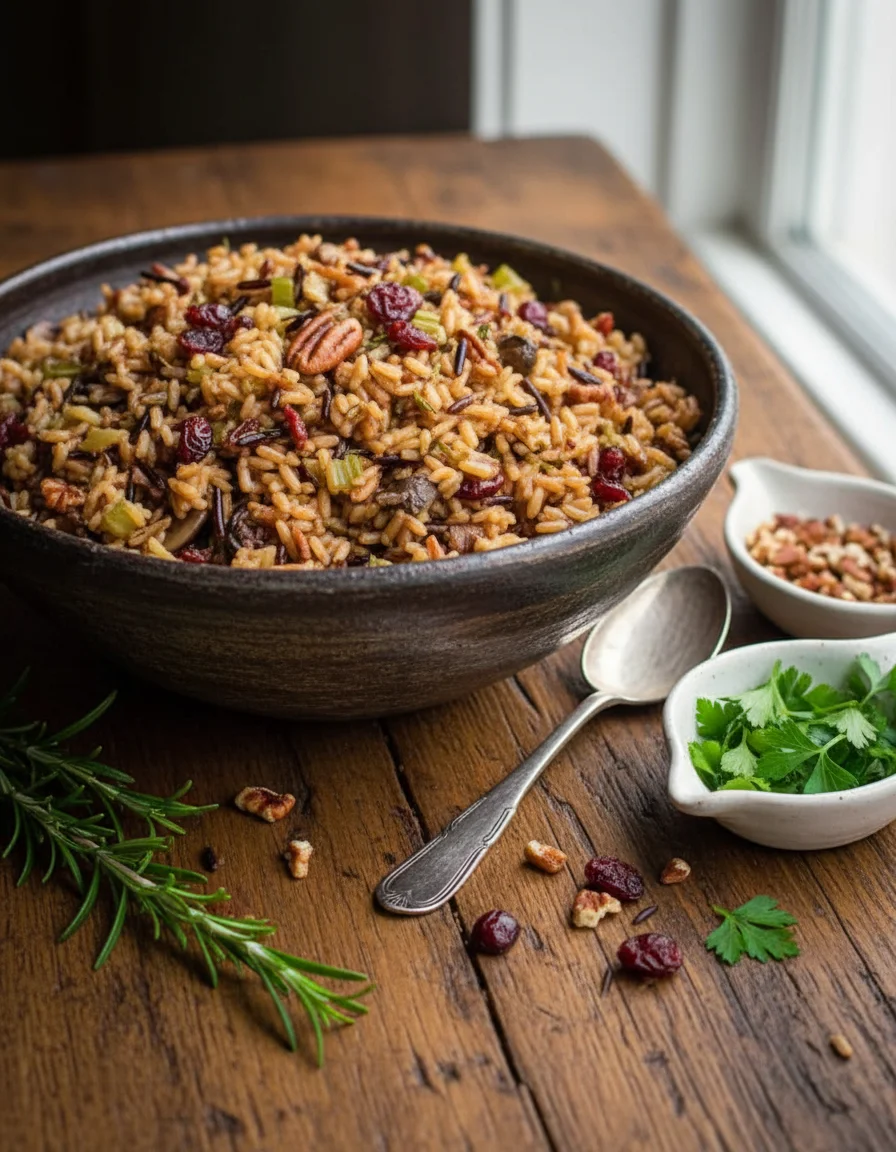
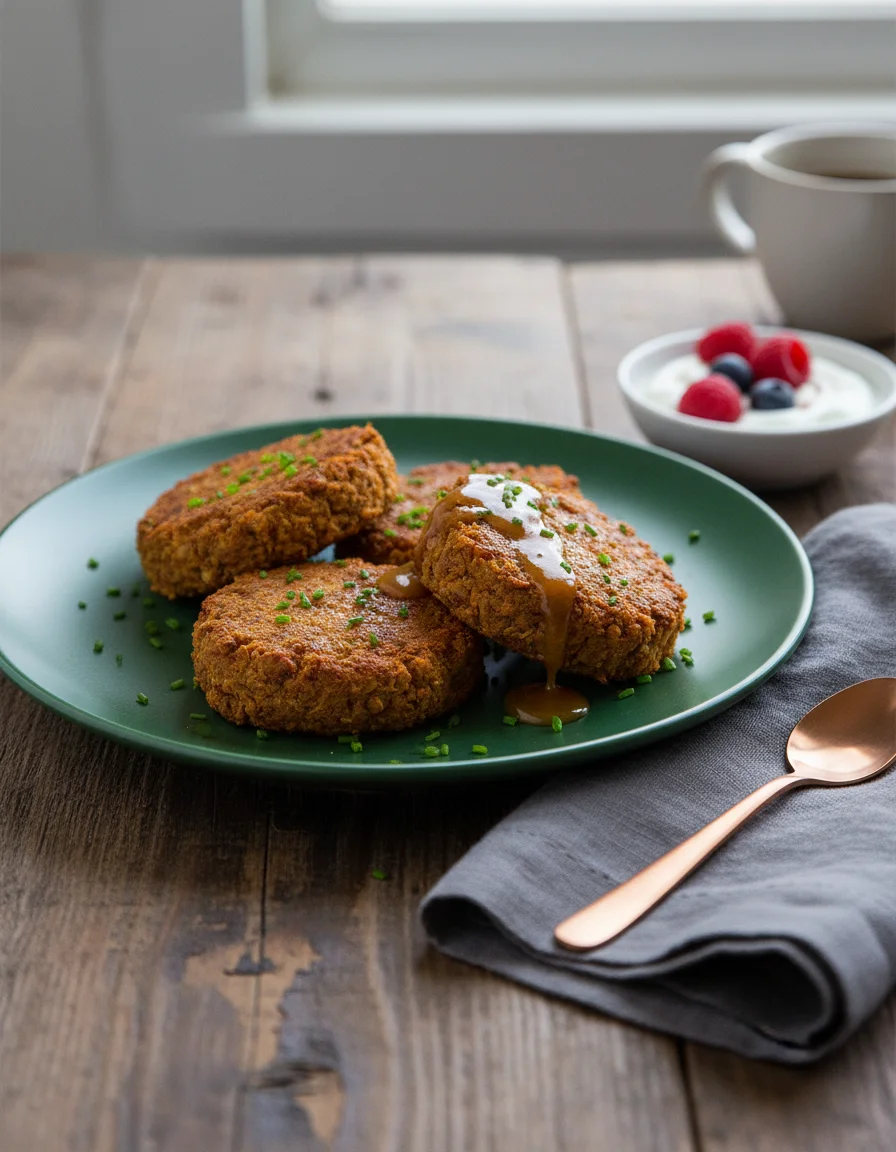

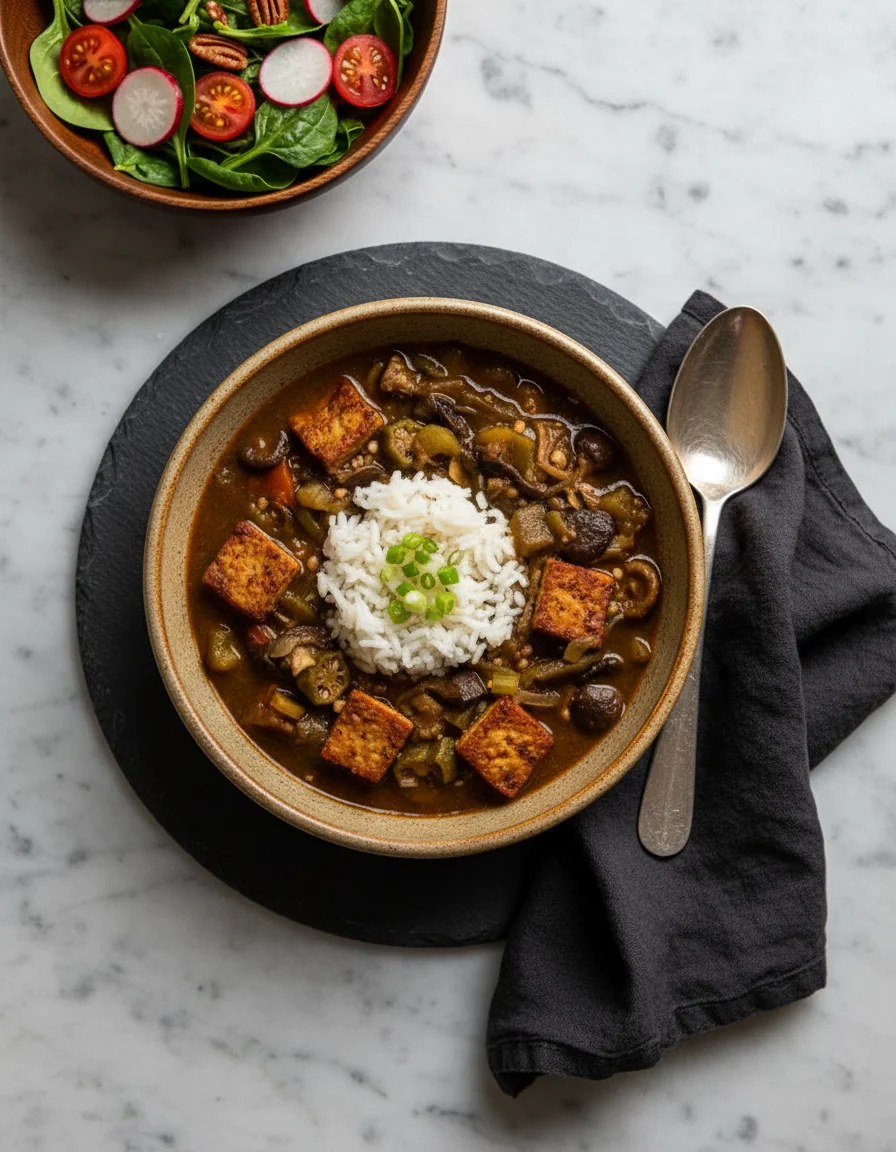
Showing 6 of 6 recipes