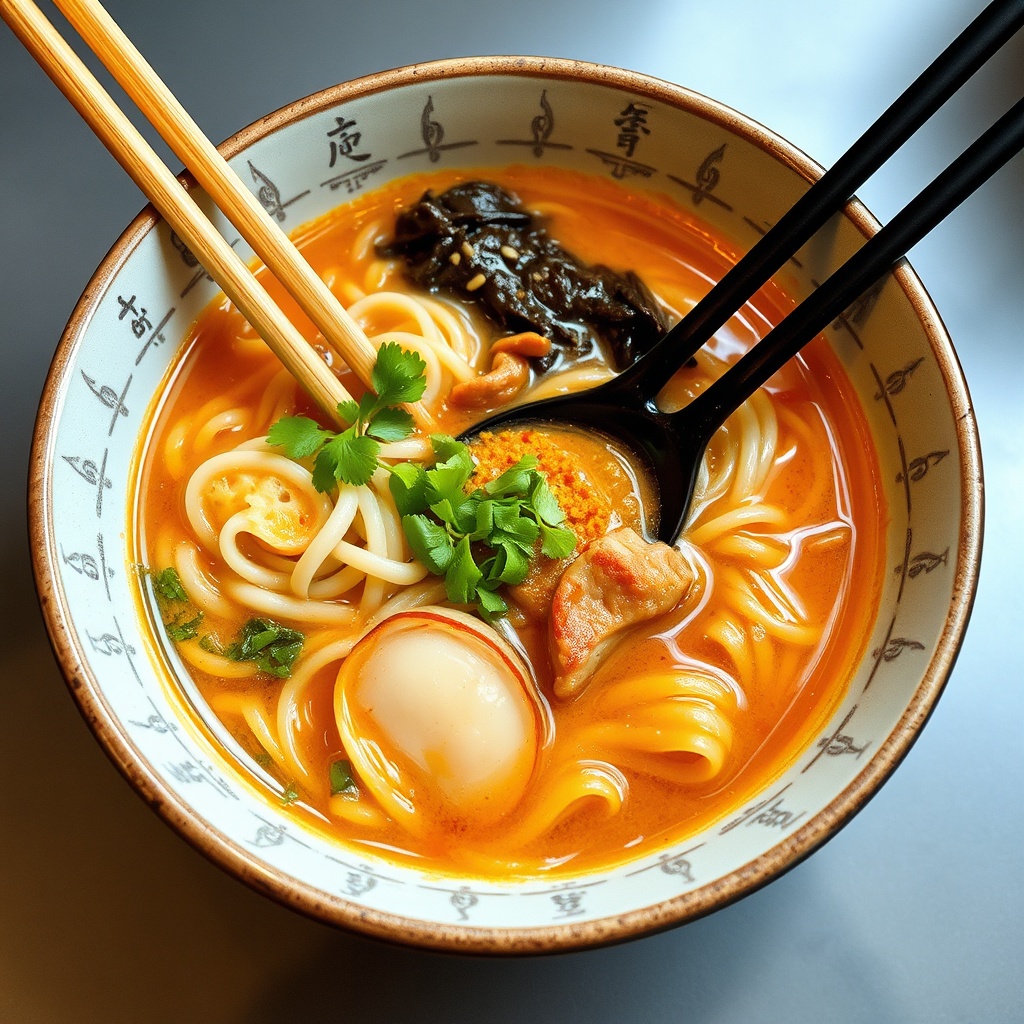
7+ Best Vegan Ramen Recipes (Healthy & Easy)
Craving vegan ramen? Discover 7+ delicious, healthy, and easy plant-based ramen recipes, from quick weeknight meals to gourmet bowls. Your ultimate guide!
About ramen
Welcome to the wonderful world of vegan ramen! More than just a humble instant meal, ramen offers a canvas for incredible flavor and satisfying texture in plant-based cooking. Originally a Japanese noodle dish often made with meat-based broths, ramen has evolved into a global culinary phenomenon, and happily, it's easier than ever to enjoy a rich, hearty, and entirely vegan bowl right in your own kitchen.
The Health Benefits of Vegan Ramen
When prepared with whole, plant-based ingredients, vegan ramen can be a surprisingly nutritious and fulfilling meal. The noodles themselves, especially whole wheat or brown rice varieties, provide essential carbohydrates for energy. Per serving (approx. 55g), ramen can offer:
- Good Source of Plant-Based Protein: With approximately 12.7 grams of protein, ramen noodles contribute to your daily protein intake, essential for muscle repair and overall bodily functions. Paired with tofu, tempeh, or edamame, your vegan ramen becomes a protein powerhouse.
- Dietary Fiber: Providing around 3.6 grams of fiber, ramen can aid digestion and contribute to a feeling of fullness, especially when loaded with vegetables.
- Essential Minerals: Ramen also contains valuable minerals like iron (approx. 4.9 mg), crucial for oxygen transport, and calcium (approx. 36 mg). You'll also find a dose of Vitamin A (approx. 218 µg).
- Energy Boost: The approximately 63.6 grams of carbohydrates serve as a primary energy source, fueling your body and brain.
While instant ramen can sometimes be high in sodium (around 1364mg per serving), opting for low-sodium noodles and making your own fresh broth allows you to control the salt content, ensuring a healthier meal.
Selecting the Best Vegan Ramen Noodles
When shopping for ramen, vigilance is key for a truly vegan experience. Many traditional dried ramen noodles contain egg, and most instant ramen seasoning packets are not vegan-friendly due to animal-derived ingredients like dried meat extracts or dairy. Here’s what to look for:
- Check Ingredients: Always read the label! Look for noodles made from wheat flour, rice flour, or tapioca starch, ensuring no egg is listed.
- "Vegan" or "Plant-Based" Labeling: Increasingly, brands are explicitly labeling their products as vegan, making selection much easier.
- Noodle Type: Beyond instant, consider fresh ramen noodles (check for eggs), or even use alternatives like soba (buckwheat) or udon noodles for different textures.
- Seasoning Packets: Unless explicitly vegan, assume the seasoning packet is not. It’s always best (and tastier!) to create your own broth.
Storing Your Ramen
Proper storage ensures your ramen noodles remain fresh and ready for your next culinary creation:
- Dried Ramen Noodles: Store in a cool, dry, dark pantry or cupboard away from direct sunlight and heat. They can last for several months to a year past their best-by date if stored correctly.
- Fresh Ramen Noodles: These typically come refrigerated and should be stored in the fridge. Use them within the expiration date, usually within a few days of purchase.
- Cooked Vegan Ramen: Leftover ramen (noodles and broth combined) should be refrigerated in an airtight container within two hours of cooking. It will keep well for 2-3 days. For best texture, it's often better to store cooked noodles and broth separately if possible, and combine just before reheating.
From comforting bowls of miso ramen to spicy stir-fried noodles, ramen's adaptability makes it a staple in any vegan kitchen. Get ready to slurp up some deliciousness!
Vegan Substitutions
Plant-based alternatives for ramen in your recipes
| Original Ingredient | Replace with | Vegan Alternative | Notes |
|---|---|---|---|
| Egg-based ramen noodles | Wheat-based ramen noodles (check ingredients), rice noodles, gluten-free ramen noodles, soba noodles | Many dried ramen noodles, especially traditional varieties, contain egg. Always verify the ingredient list for 'egg,' 'albumen,' or 'whey' to ensure they are vegan. Rice noodles or 100% buckwheat soba are safe bets. | |
| Animal-based ramen broth/seasoning packet (e.g., pork, chicken, beef) | Vegetable broth, mushroom broth, kombu dashi, miso paste, tamari, nutritional yeast | Most instant ramen seasoning packets contain animal products or derivatives. Craft your own rich, savory vegan broth using umami-rich ingredients like dried shiitake mushrooms, kombu (seaweed), miso paste, and fresh vegetables for the best flavor and controlled sodium. |
Substitution ratios may vary by recipe. Start with a 1:1 ratio and adjust to taste.
Frequently Asked Questions
No, traditional ramen often contains egg in the noodles and relies on meat-based broths (like pork or chicken) for flavor. Many instant ramen seasoning packets also contain animal-derived ingredients. Always check labels for "vegan" certification or carefully review the ingredient list for eggs, dairy, or meat products.
ramen Recipes
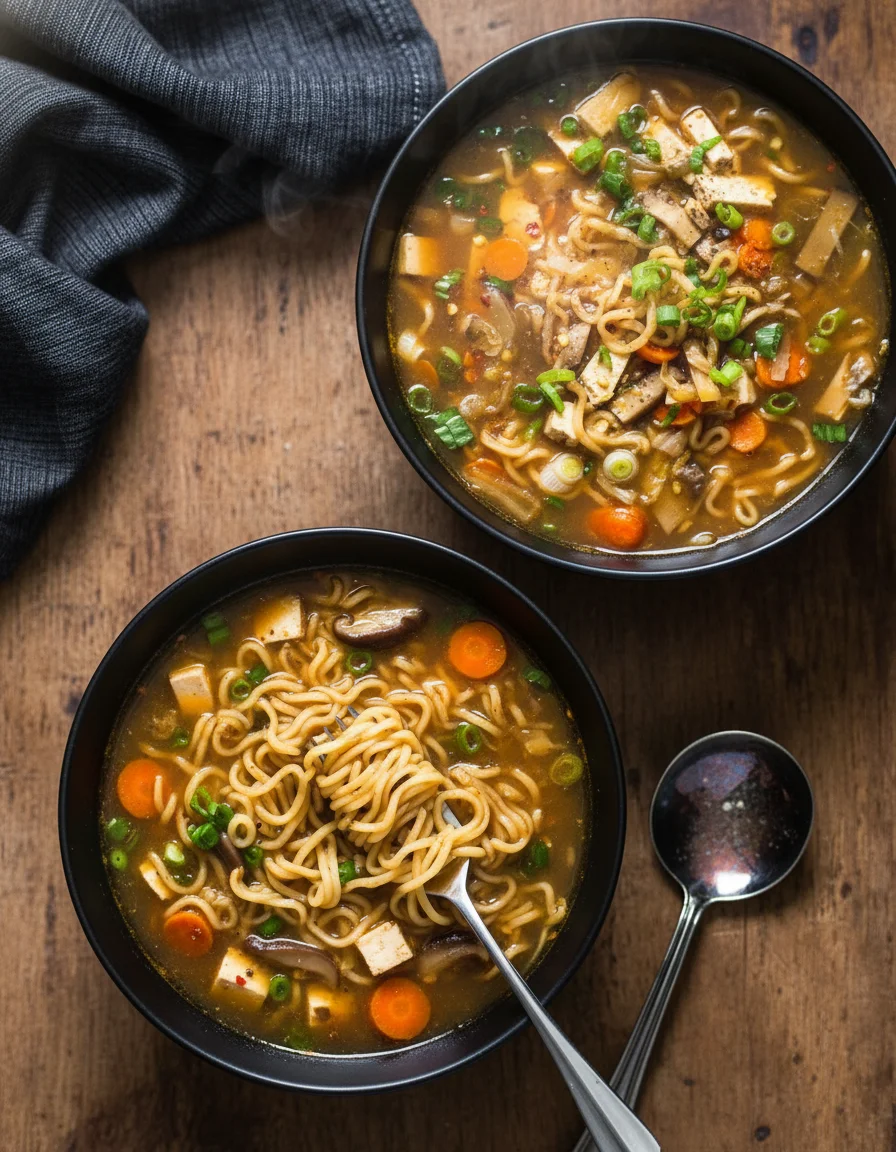

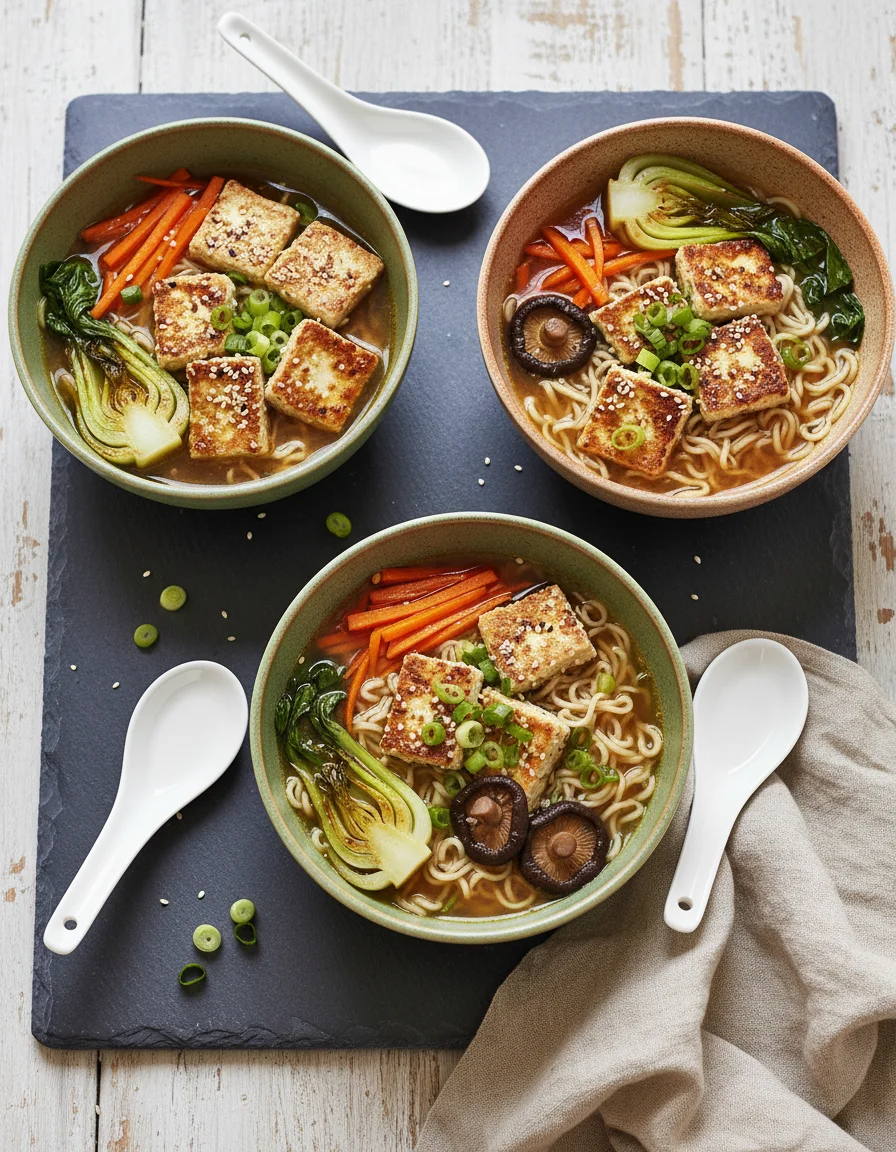
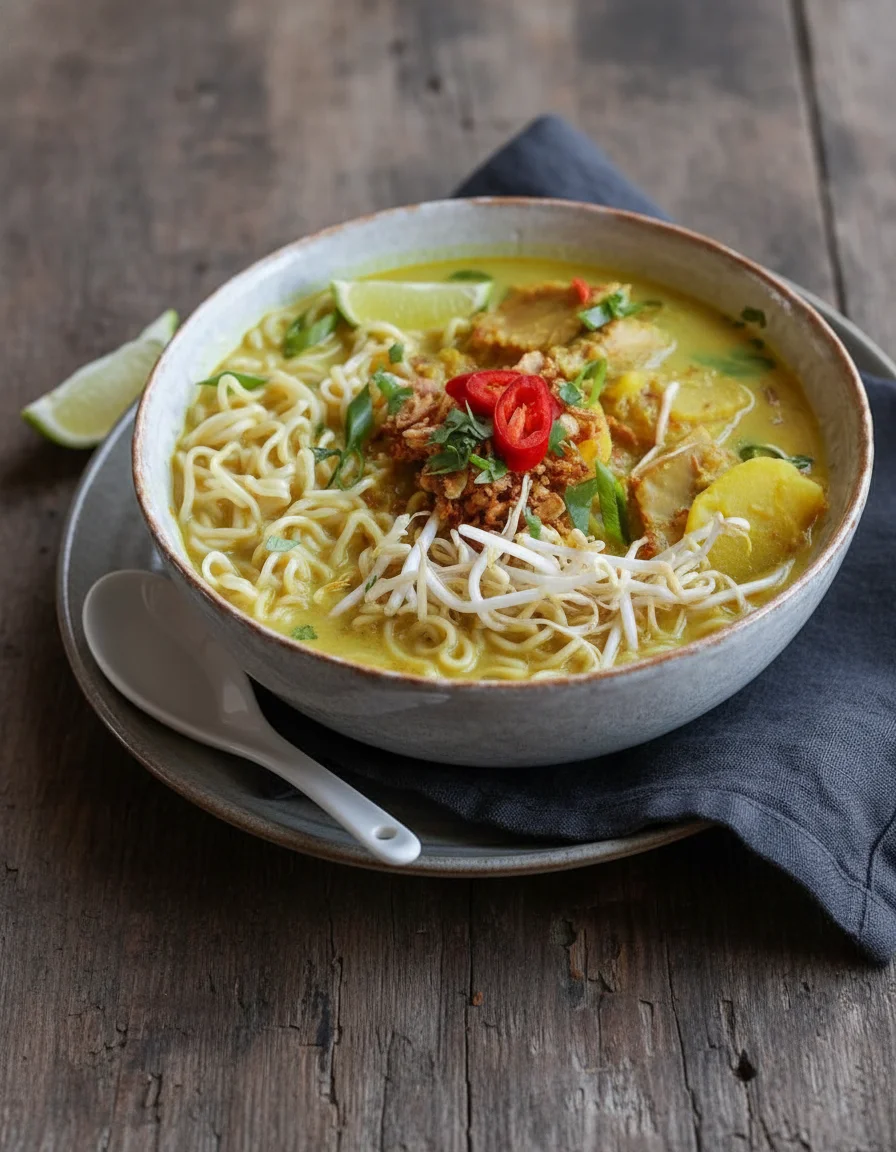
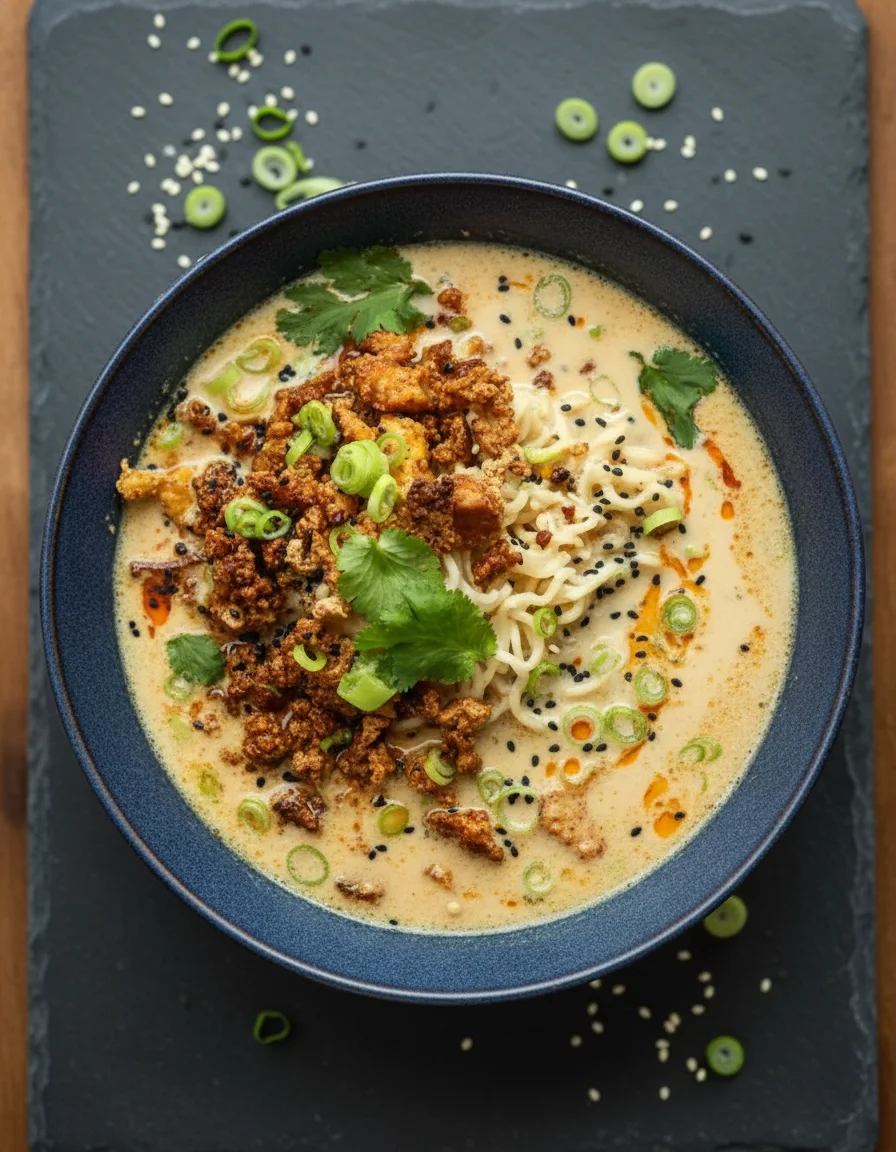
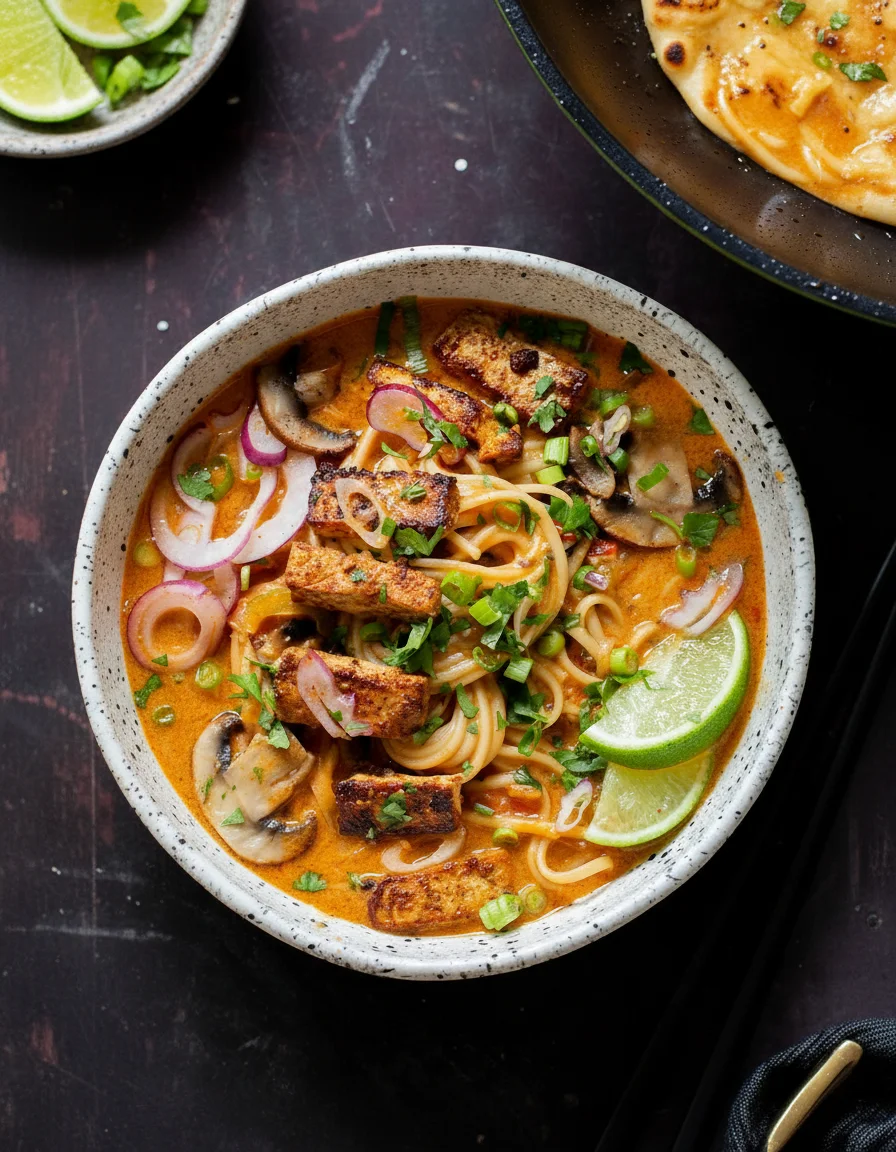
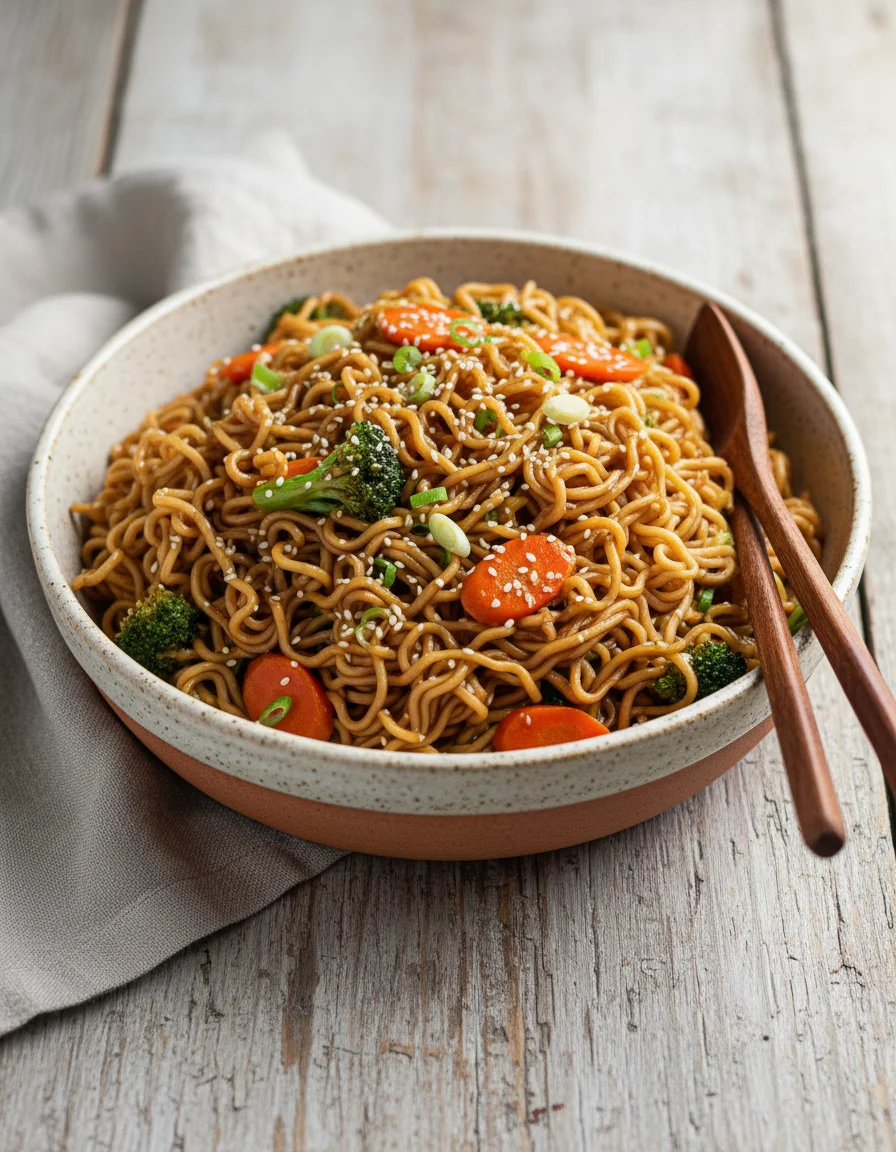
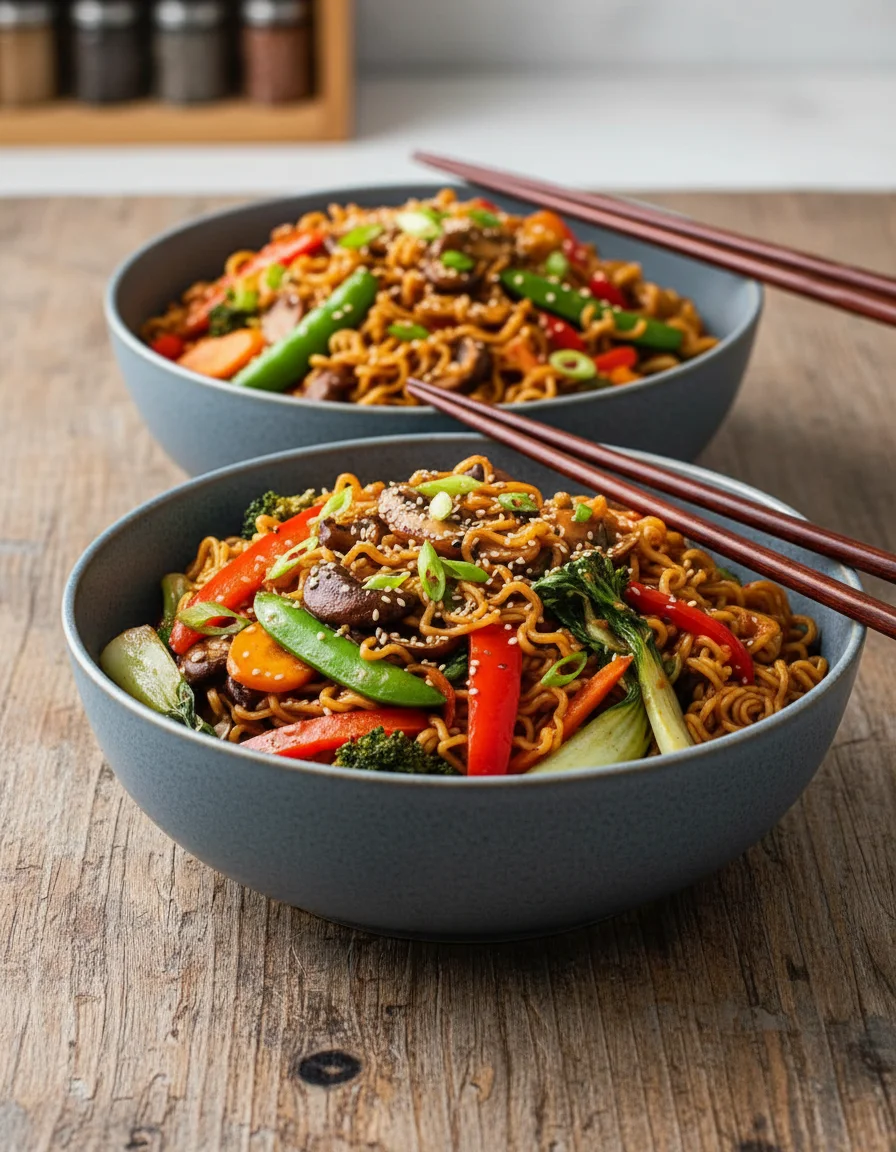

Showing 12 of 12 recipes