15+ Best Vegan Plant-Based Cheese Recipes (Dairy-Free & Delicious)
Craving cheesy goodness without the dairy? Discover delicious vegan plant-based cheese recipes! Explore types, tips, and how to make your favorite dishes dairy-
About plant based cheese
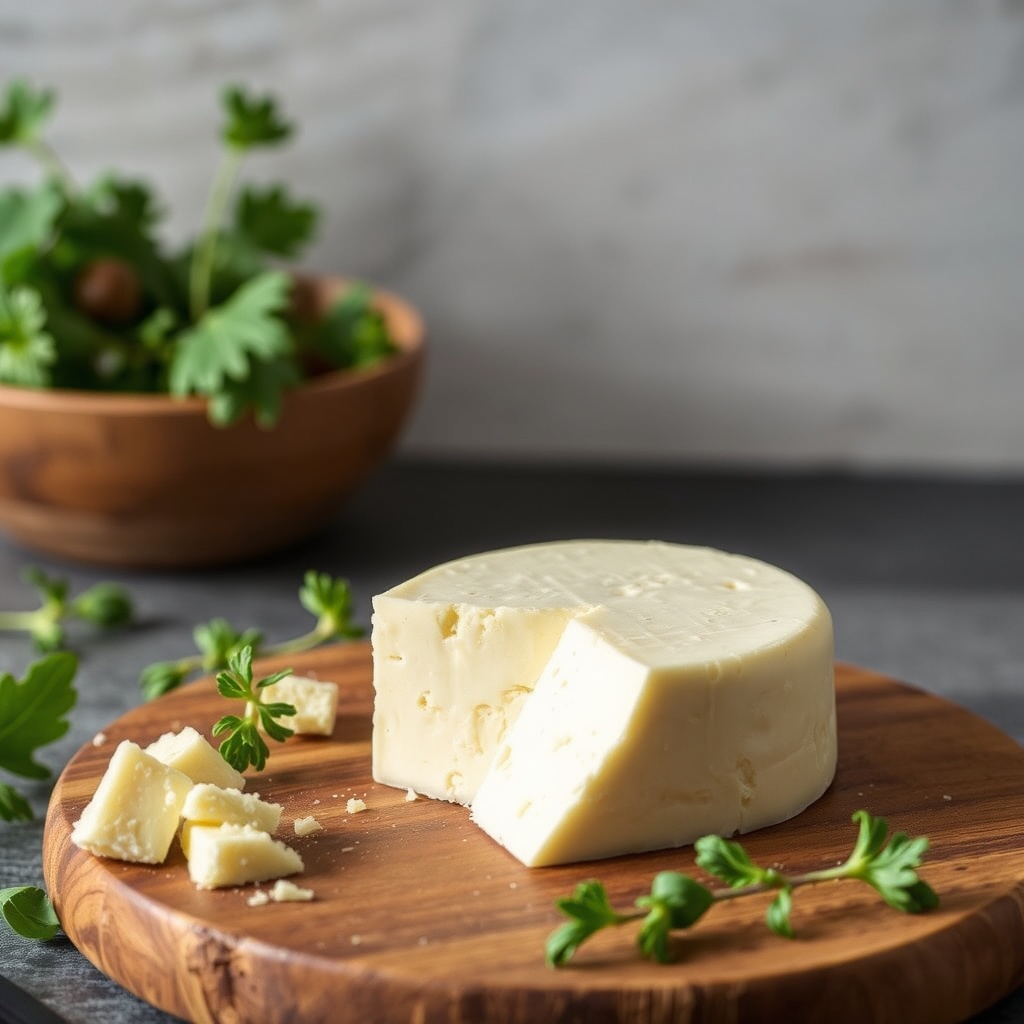
Welcome to the wonderful world of plant-based cheese! For many transitioning to a vegan lifestyle, giving up cheese can be one of the biggest hurdles. Thankfully, the market for dairy-free alternatives has exploded, offering a fantastic array of plant-based cheeses that can satisfy virtually any craving. From creamy shreds that melt beautifully on a pizza to tangy blocks perfect for a charcuterie board, plant-based cheeses make it easy to enjoy familiar flavors without animal products.
Health Benefits (and Considerations)
While often seen as a comfort food, plant-based cheeses offer specific advantages for those following a vegan diet. Primarily, they are completely dairy-free, cholesterol-free, and lactose-free, making them an excellent option for individuals with lactose intolerance, dairy allergies, or those looking to reduce their intake of saturated animal fats and cholesterol. Unlike dairy cheese, they contain no hormones often found in animal products.
It's important to note that the nutritional profile of plant-based cheeses can vary widely depending on their base ingredients, which might include nuts (cashews, almonds), soy, coconut oil, starches, or nutritional yeast. The specific data provided (typical of many processed varieties) indicates a product that is high in total fat and saturated fat (often from coconut oil) and sodium, with no protein, fiber, or significant vitamins/minerals. Therefore, while excellent for satisfying cravings and enhancing dishes, they are generally best enjoyed in moderation as part of a balanced diet, rather than relied upon as a primary source of nutrients. Many whole-food, homemade plant-based cheeses, especially those made from cashews or other nuts, can offer more nutritional value.
Selection Tips
When selecting plant-based cheese, consider how you intend to use it. Do you need something that melts? Look for varieties explicitly labeled as 'shreds' or 'meltable'. Brands like Violife, Miyoko's Kitchen (nut-based), and Daiya offer good melting options. For slicing or crumbling, firmer blocks or wheels work best. Read ingredient labels to understand the base (e.g., coconut oil, cashew, almond, soy) as this will influence flavor and texture. Experiment with different brands and types to find your favorites for specific applications.
Storage Tips
Proper storage is key to keeping your plant-based cheese fresh and flavorful. Most commercial plant-based cheeses should be stored in the refrigerator, tightly sealed in their original packaging or an airtight container. Once opened, they generally last for about 7-10 days, though this can vary by brand and type—always check the 'best by' date and storage instructions on the packaging. Some harder blocks or wheels might last a bit longer. Many varieties can also be frozen, especially shreds, if you won't use them quickly. For best results, thaw frozen plant-based cheese in the refrigerator before use.
Versatility in Vegan Cooking
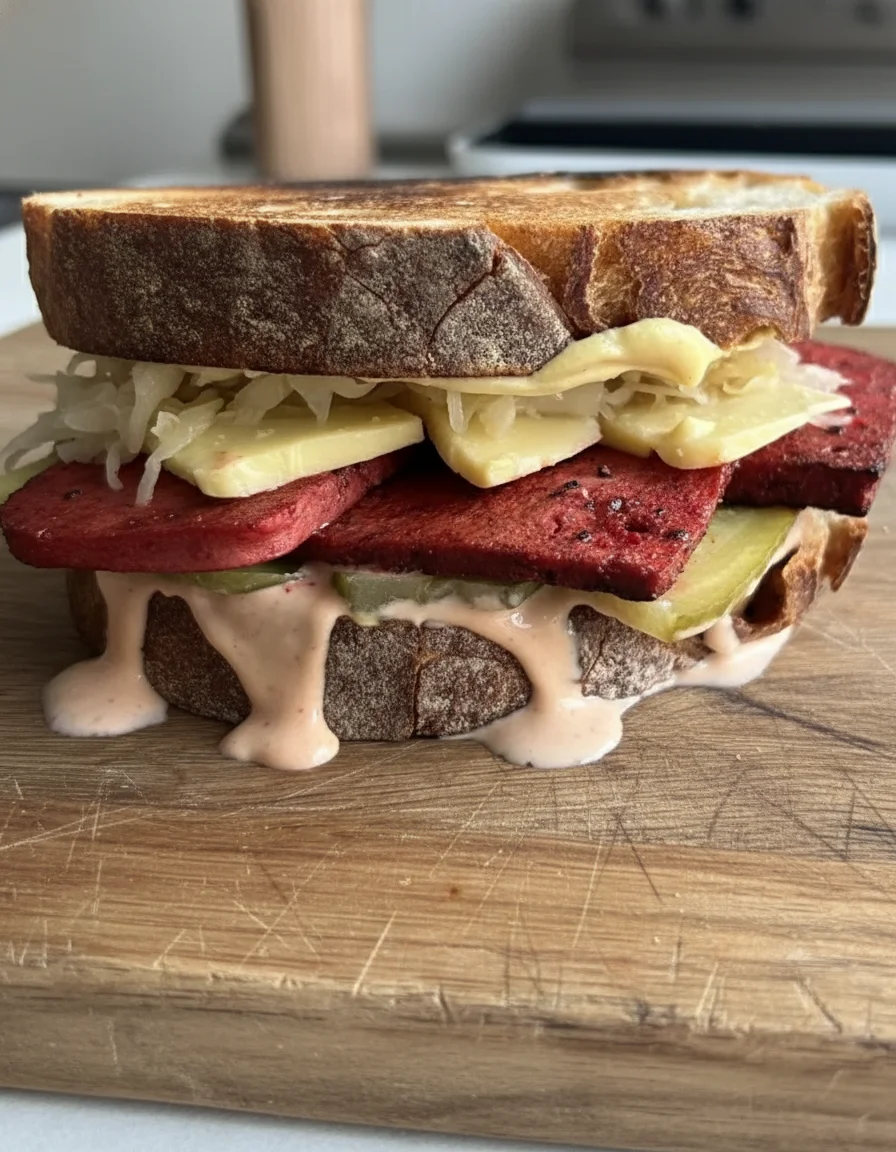
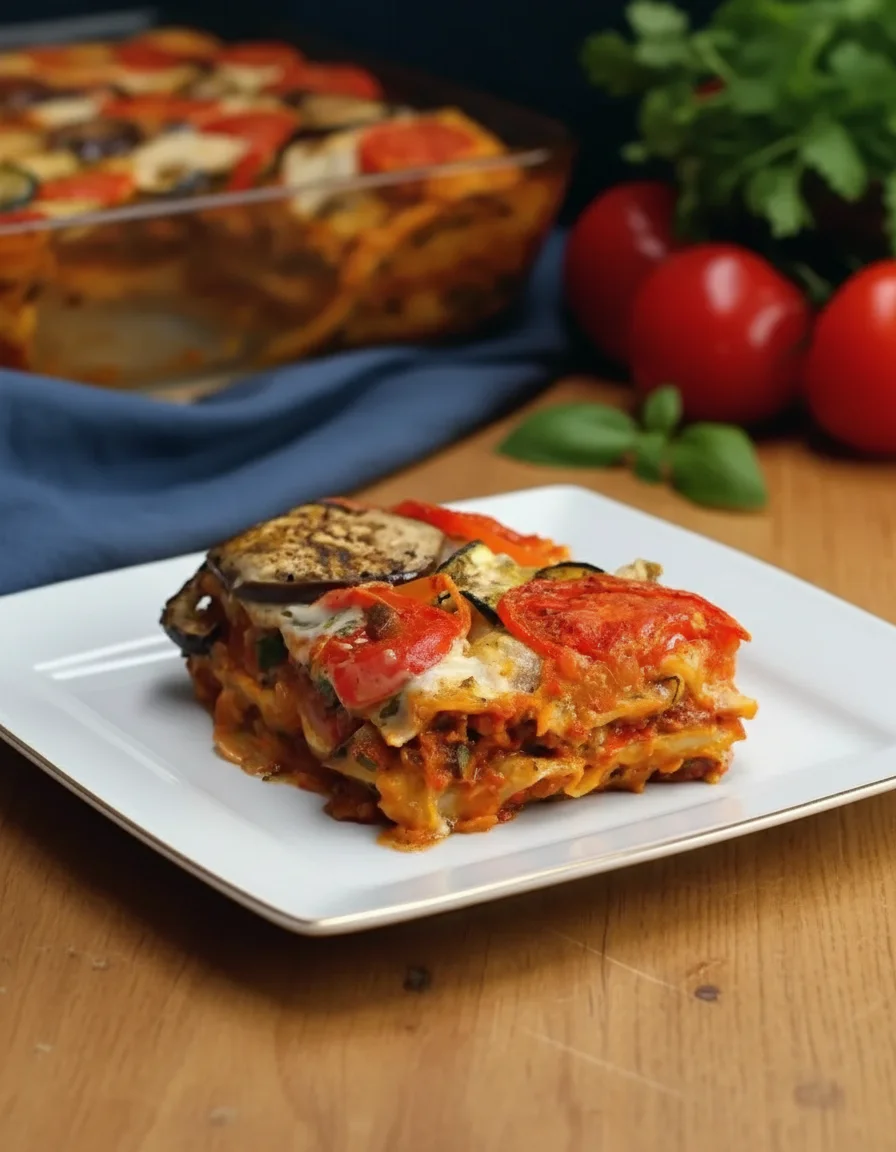
Plant-based cheese is incredibly versatile! It can transform a simple meal into a satisfying vegan delight. Use shreds to top pizzas, gratins, or tacos. Slice blocks for sandwiches or crackers. Crumble feta-style plant-based cheese over salads. Create creamy sauces for mac and cheese or casseroles. The possibilities are endless, allowing you to recreate many of your favorite cheesy dishes in a compassionate, dairy-free way.
Vegan Substitutions
Plant-based alternatives for plant based cheese in your recipes
| Original Ingredient | Replace with | Vegan Alternative | Notes |
|---|---|---|---|
| Dairy Cheese (Cheddar, Mozzarella, Parmesan, etc.) | Plant-Based Cheese (Shreds, Slices, Blocks, Spreads) | Use plant-based cheese in equal amounts as you would dairy cheese. For melting applications, ensure you choose a brand known for its meltability. For grating, firmer blocks work best. Flavor profiles vary, so try different brands and bases (nut, soy, coconut oil) to match your desired taste and texture. |
Substitution ratios may vary by recipe. Start with a 1:1 ratio and adjust to taste.
Frequently Asked Questions
Many commercial plant-based cheeses are designed to melt, but some perform better than others. For best results, use shreds or slices specifically labeled for melting. Ensure your cooking surface or oven is adequately preheated, and don't overcrowd the pan or dish. A little bit of moisture (like in a sauce) can also help facilitate melting. Some varieties might require slightly higher temperatures or longer melting times than dairy cheese.
plant based cheese Recipes




Showing 9 of 9 recipes