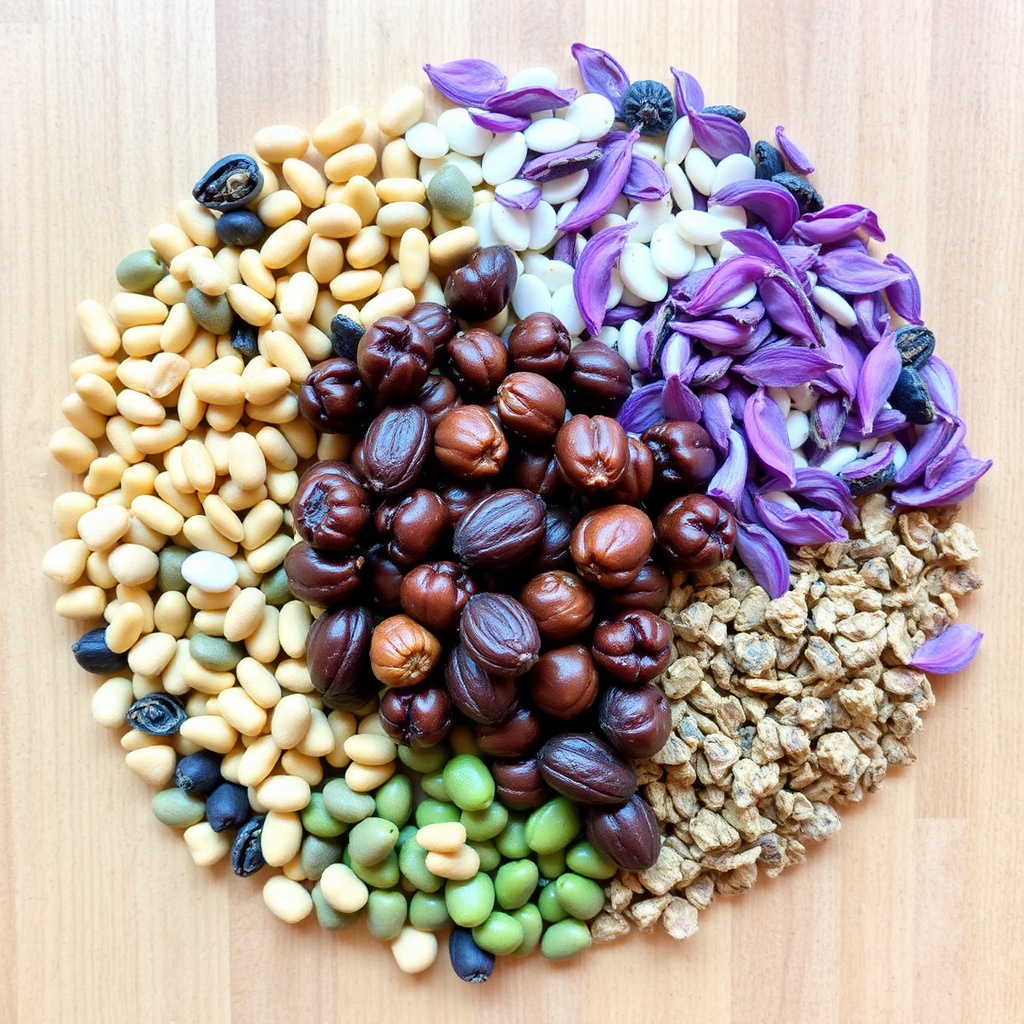
7+ Best Vegan Mixed Seeds Recipes (Healthy & Easy)
Boost your vegan meals with mixed seeds! Discover easy, healthy recipes for crunchy toppings, nutritious snacks, and versatile additions. High in protein & fibe
About mixed seeds
Unlock the Power of Mixed Seeds in Your Vegan Kitchen
In the vibrant world of vegan cooking, some ingredients truly stand out for their versatility and nutritional punch. Mixed seeds are one such powerhouse, offering an incredible blend of textures, flavors, and vital nutrients that can elevate almost any dish. Whether you're a seasoned plant-based chef or just beginning your vegan journey, incorporating a variety of seeds into your diet is a simple yet impactful way to boost your health and add delightful crunch to your meals. From breakfast bowls to savory main courses, mixed seeds are a humble hero waiting to transform your culinary creations.
The Abundant Health Benefits for Vegans
For those following a plant-based diet, mixed seeds are an invaluable source of nutrients that are sometimes harder to find in non-animal products. They are particularly celebrated for:
- Excellent Plant-Based Protein: With approximately 5.3 grams of protein per 100g, mixed seeds contribute significantly to your daily protein intake, essential for muscle repair and overall bodily functions.
- Rich in Dietary Fiber: Packing around 4.8 grams of fiber per 100g, seeds promote digestive health, help regulate blood sugar, and contribute to a feeling of fullness.
- Essential Minerals: Mixed seeds are a treasure trove of minerals crucial for vegan diets, including iron (0.6mg), magnesium (50mg), phosphorus (124mg), potassium (875mg), zinc (0.83mg), and calcium (61mg). These are vital for bone health, energy production, nerve function, and immune support.
- Healthy Fats: They provide a beneficial profile of healthy fats, including monounsaturated and polyunsaturated fatty acids (like Omega-3s if flax/chia are present), which are important for heart health and reducing inflammation.
- B Vitamins and Folate: Contributing to energy metabolism and cell health, mixed seeds offer various B vitamins like Thiamin, Riboflavin, Niacin, and Vitamin B-6, along with Folate.
By regularly adding mixed seeds to your vegan meals, you're not just adding flavor and texture; you're actively enriching your diet with a spectrum of essential nutrients.
Selecting and Storing Your Seeds for Freshness
To ensure you're getting the most out of your mixed seeds, proper selection and storage are key:
- Selection Tips: When purchasing, opt for organic, raw, and unsalted varieties when possible. Look for reputable brands and check the expiration date. The seeds should look plump and vibrant, without any signs of clumping, mold, or an off-smell, which can indicate rancidity. Buying from bulk bins can be economical, but ensure the turnover is high to guarantee freshness.
- Storage Tips: Seeds have a high oil content, making them susceptible to rancidity if not stored correctly. For optimal freshness, transfer your mixed seeds to an airtight container immediately after purchase. Store them in a cool, dark pantry for up to 1-3 months. For extended shelf life (up to 6 months or even longer), consider storing them in the refrigerator or even the freezer, especially during warmer months or if you buy in larger quantities. This protects their delicate oils and preserves their nutritional integrity and flavor.
Embrace the power of mixed seeds and discover how effortlessly they can enhance your healthy vegan lifestyle!
Frequently Asked Questions
Mixed seeds are incredibly versatile and often require minimal preparation. Many can be eaten raw, sprinkled directly onto salads, yogurts, or smoothies. For a deeper, nuttier flavor and enhanced crunch, you can dry-toast them in a non-stick pan over medium heat for 3-5 minutes, stirring frequently, until fragrant. Some seeds, like flax or chia, can also be soaked in liquid to create a gel-like consistency, useful as an egg replacer or thickener.
mixed seeds Recipes



Showing 6 of 6 recipes