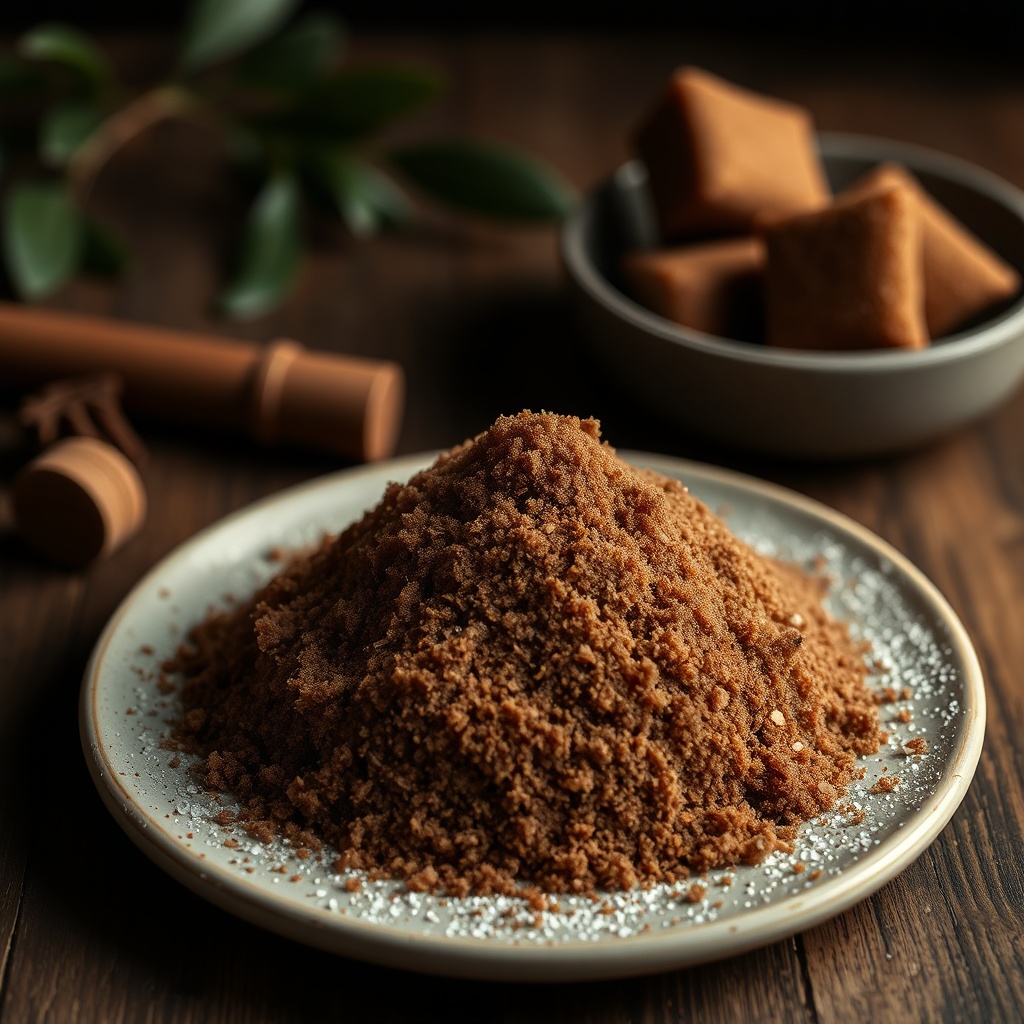
Rich & Vegan: The Ultimate Dark Brown Sugar Guide & Recipes
Explore the deep molasses flavor of dark brown sugar in vegan baking and cooking. Learn its benefits, selection, storage, and find delicious plant-based recipes
About dark brown sugar
Welcome to the rich, complex world of dark brown sugar! A staple in many kitchens, this versatile sweetener brings more than just sweetness to your vegan dishes. Known for its deep, caramel-like flavor and moist, tender texture, dark brown sugar is a secret weapon for adding depth and richness to both sweet and savory vegan recipes. Unlike its lighter counterpart, dark brown sugar contains a higher percentage of molasses, which is responsible for its distinctive hue, intense flavor, and characteristic moistness. This makes it an invaluable ingredient for achieving that perfect chew in vegan cookies, a glossy glaze on roasted vegetables, or a delightful counterpoint in a savory marinade.
A Distinctive Flavor Profile and Culinary Role
Dark brown sugar is essentially refined white sugar with added molasses, or in some cases, it’s a less refined sugar where the molasses has not been fully removed. The molasses content imbues it with a uniquely rich, slightly smoky, and deeply caramel flavor that white sugar simply can't replicate. This complexity is particularly cherished in vegan baking, where it contributes to superior moisture, chewiness, and a wonderfully nuanced taste in everything from gingerbread to pecan pies and oatmeal cookies. Beyond desserts, its robust flavor makes it fantastic for balancing acidity in tomato-based sauces, enhancing the savory notes in chili, or creating delicious glazes for plant-based proteins.
Nutritional Aspects in a Vegan Diet
While dark brown sugar is primarily a source of carbohydrates and calories, providing quick energy, it does contain trace amounts of minerals due to its molasses content. Based on nutritional data, a serving of dark brown sugar can offer small quantities of calcium (approx. 83mg per 100g), potassium (approx. 133mg per 100g), iron, magnesium, and phosphorus. While these amounts are not significant enough for dark brown sugar to be considered a "health food" or a primary source of these nutrients, they do contribute a minor additional layer compared to highly refined white sugar. As with all sweeteners, moderation is key for a balanced vegan diet.
Selecting and Storing for Optimal Quality
When selecting dark brown sugar, look for packages that are well-sealed. Good quality dark brown sugar should feel soft, moist, and pliable. Avoid packages where the sugar appears hard, clumpy, or dry, as this indicates it may be old or improperly stored and has lost its essential moisture. To maintain its freshness, store dark brown sugar in an airtight container in a cool, dark pantry. If your sugar hardens, easily revive it by placing a slice of fresh bread, a few apple slices, or a couple of marshmallows in the airtight container with the sugar for a day or two. The sugar will absorb moisture and become soft again.
Unleashing Versatility in Vegan Cooking
Dark brown sugar is incredibly versatile in the vegan kitchen. Beyond traditional baked goods, it's a fantastic addition to savory dishes. Use it to caramelize onions, create a tangy-sweet glaze for tofu or tempeh, or add depth to vegan BBQ sauces and marinades. It can elevate salad dressings, provide a rich base for homemade granola, or sweeten warm beverages like coffee or chai tea with its distinct molasses undertones. Its ability to add moisture and a complex sweetness makes it indispensable for many plant-based culinary creations.
Vegan Substitutions
Plant-based alternatives for dark brown sugar in your recipes
| Original Ingredient | Replace with | Vegan Alternative | Notes |
|---|---|---|---|
| Non-vegan processed dark brown sugar | Certified vegan dark brown sugar | Look for labels like 'vegan,' 'organic,' or 'unrefined cane sugar,' as these often avoid bone char processing. Beet sugar is naturally vegan and always suitable. | |
| Dark brown sugar | Light brown sugar | Use in equal measure. The resulting dish will have a milder molasses flavor and slightly lighter color. | |
| Dark brown sugar | Maple syrup or agave nectar | For liquid alternatives, reduce other liquids in the recipe. Maple syrup offers a distinct flavor. Use about 3/4 cup liquid sweetener for 1 cup brown sugar and reduce other liquids by 1/4 cup. A pinch of molasses can be added for deeper flavor. |
Substitution ratios may vary by recipe. Start with a 1:1 ratio and adjust to taste.
Frequently Asked Questions
Not all dark brown sugar is vegan. Conventional cane sugar, including brown sugar, is often processed using bone char (charred animal bones) as a decolorizing agent. This process does not remain in the final product but is used in its filtration. To ensure your dark brown sugar is vegan, look for brands that are certified vegan, labeled organic, or explicitly state they are processed without bone char. Beet sugar is naturally vegan, so if the sugar is derived from beets, it is suitable for a vegan diet.
dark brown sugar Recipes
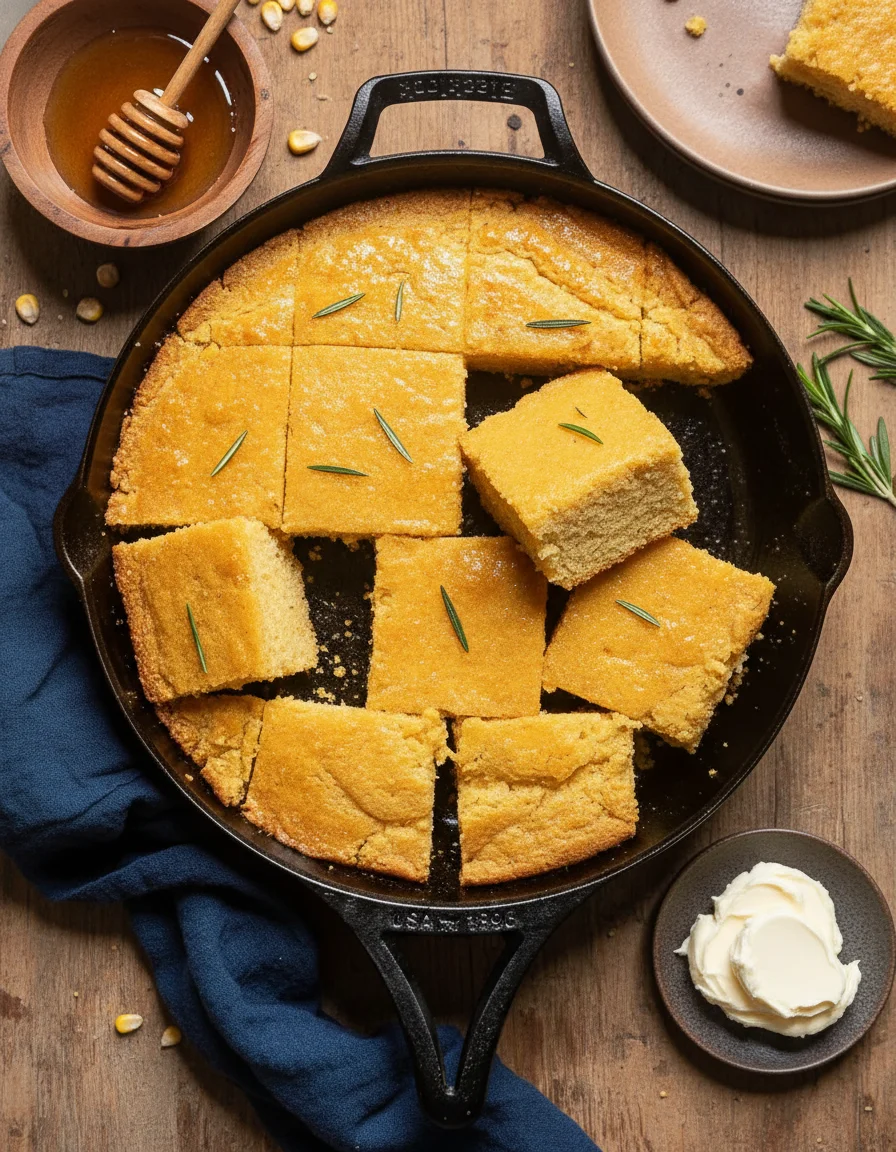


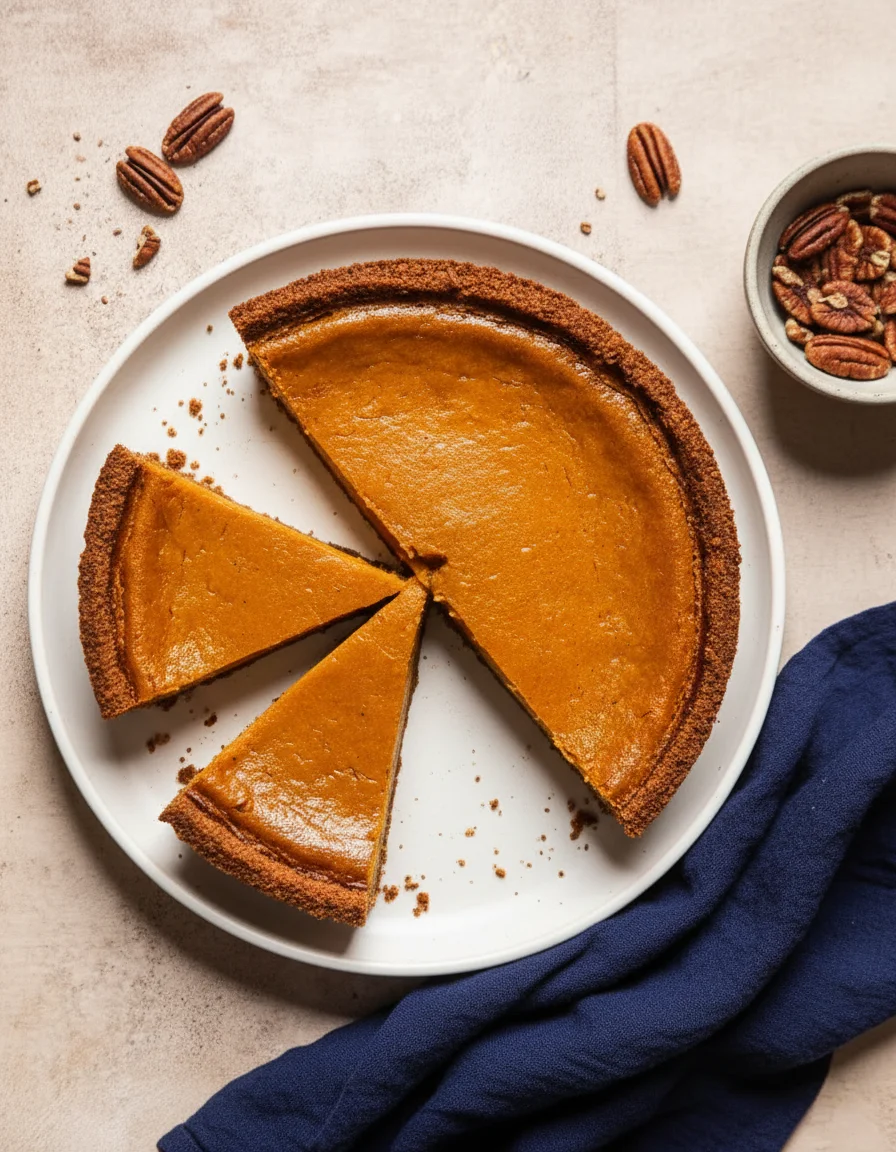

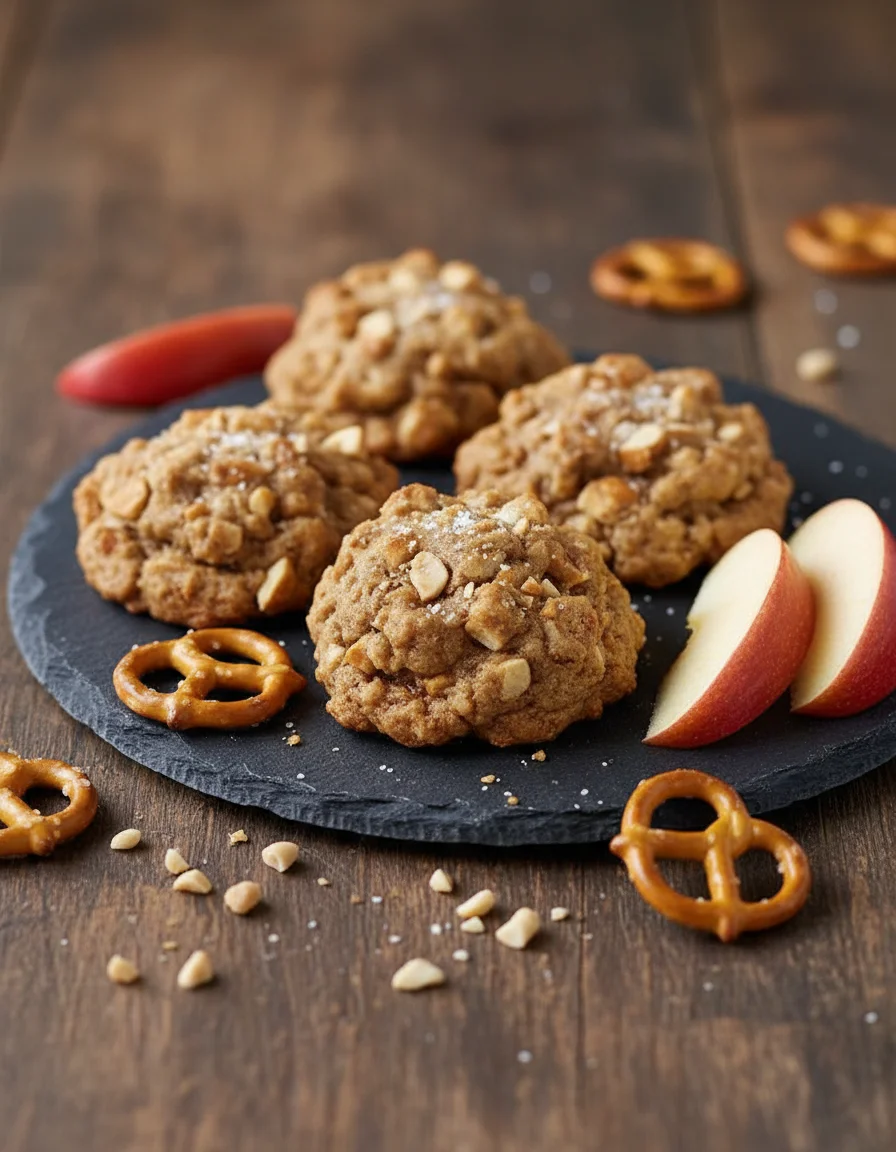
Showing 9 of 9 recipes