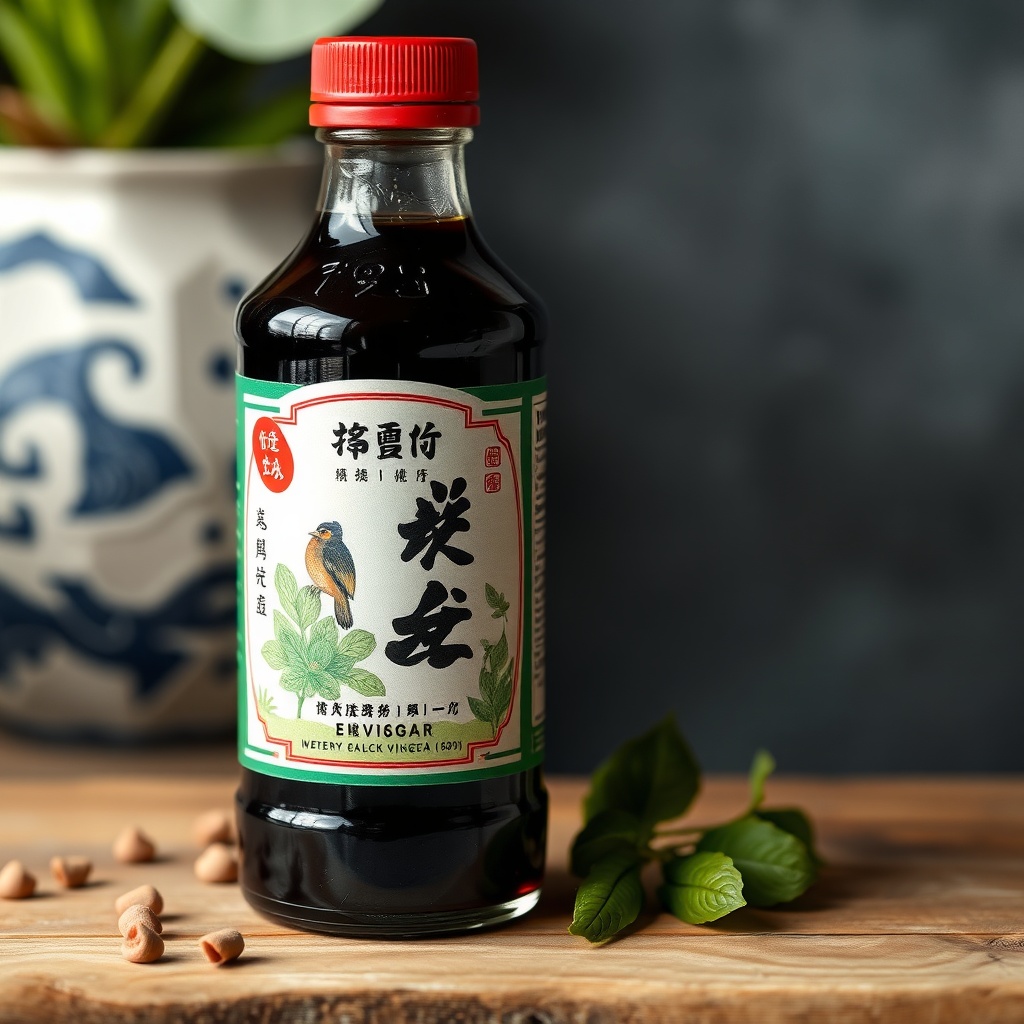
Vegan Chinese Black Vinegar: Ultimate Guide & 7+ Recipes for Flavorful Dishes
Discover the rich, complex flavor of Chinese black vinegar! Explore its benefits, selection, storage, and unlock 7+ delicious vegan recipes to elevate your cook
About chinese black vinegar
Step into the vibrant world of Chinese cuisine, and you'll quickly encounter the distinctive, complex magic of Chinese black vinegar. Also known as Chinkiang vinegar (named after Zhenjiang city, its most famous origin), this dark, aged vinegar is a cornerstone ingredient, beloved for its unique flavor profile. Unlike its sharper, lighter counterparts, Chinese black vinegar offers a depth that is malty, slightly smoky, subtly sweet, and wonderfully tangy, often with hints of umami. It's a fermented wonder, primarily made from glutinous rice, wheat bran, barley, and sometimes sorghum, aged for an extended period to develop its rich character. For vegan cooks, it’s an indispensable pantry staple, adding layers of sophisticated flavor to an array of plant-based dishes without relying on animal products.
Health Benefits of Chinese Black Vinegar
While Chinese black vinegar is primarily valued for its culinary prowess, it also brings some intriguing aspects to the table, especially for a vegan diet. As a fermented food, it may contribute to gut health by introducing beneficial compounds, though it's important to note that specific probiotic content can vary and is often diminished by cooking. Nutritionally, when used in typical serving sizes (which are generally small, often a tablespoon or less), it's a very low-calorie ingredient, providing significant flavor without adding fats, proteins, or fiber. It is naturally fat-free and cholesterol-free, making it an excellent choice for adding depth to meals without increasing caloric density from fats. It does contain a notable amount of sodium and some natural sugars, so mindful consumption is key, especially for those watching their sodium intake. However, its intense flavor means a little goes a long way, allowing you to enhance dishes dramatically with minimal additions.
Selecting the Best Chinese Black Vinegar
Choosing a good quality Chinese black vinegar is crucial for unlocking its full flavor potential. Look for bottles labeled "Zhenjiang" or "Chinkiang" vinegar, as this is the most renowned variety. High-quality black vinegar should have a deep, dark brown to black color and a thick, syrupy consistency. When you open the bottle, you should be greeted by a robust, fragrant aroma—a blend of malty, smoky, and acetic notes. Check the ingredient list; it should primarily contain glutinous rice, wheat bran, and water, with minimal or no artificial additives. Some premium varieties are aged longer, resulting in a more mellow and complex flavor. Don't be afraid to try a few different brands to find your favorite!
Storing Chinese Black Vinegar
One of the beauties of Chinese black vinegar is its incredible shelf stability. Once opened, store your bottle in a cool, dark pantry away from direct sunlight and heat. There's no need to refrigerate it. Ensure the cap is tightly sealed after each use to prevent evaporation and maintain its potent aroma. Properly stored, Chinese black vinegar can last for an indefinite period, much like other vinegars, often improving slightly in mellowed flavor over time. This makes it a fantastic long-term investment for your vegan kitchen.
Versatility in Vegan Cooking
Chinese black vinegar is incredibly versatile in vegan cuisine. It's not just for dipping dumplings! Use it to brighten stir-fries, add a tangy kick to noodle soups, create zesty marinades for tofu or tempeh, or whisk into salad dressings for an Asian-inspired twist. Its ability to cut through richness and add a layer of umami makes it perfect for balancing savory dishes. From classic Sichuan dishes to innovative plant-based creations, Chinese black vinegar is a secret weapon for achieving truly authentic and delicious flavors.
Frequently Asked Questions
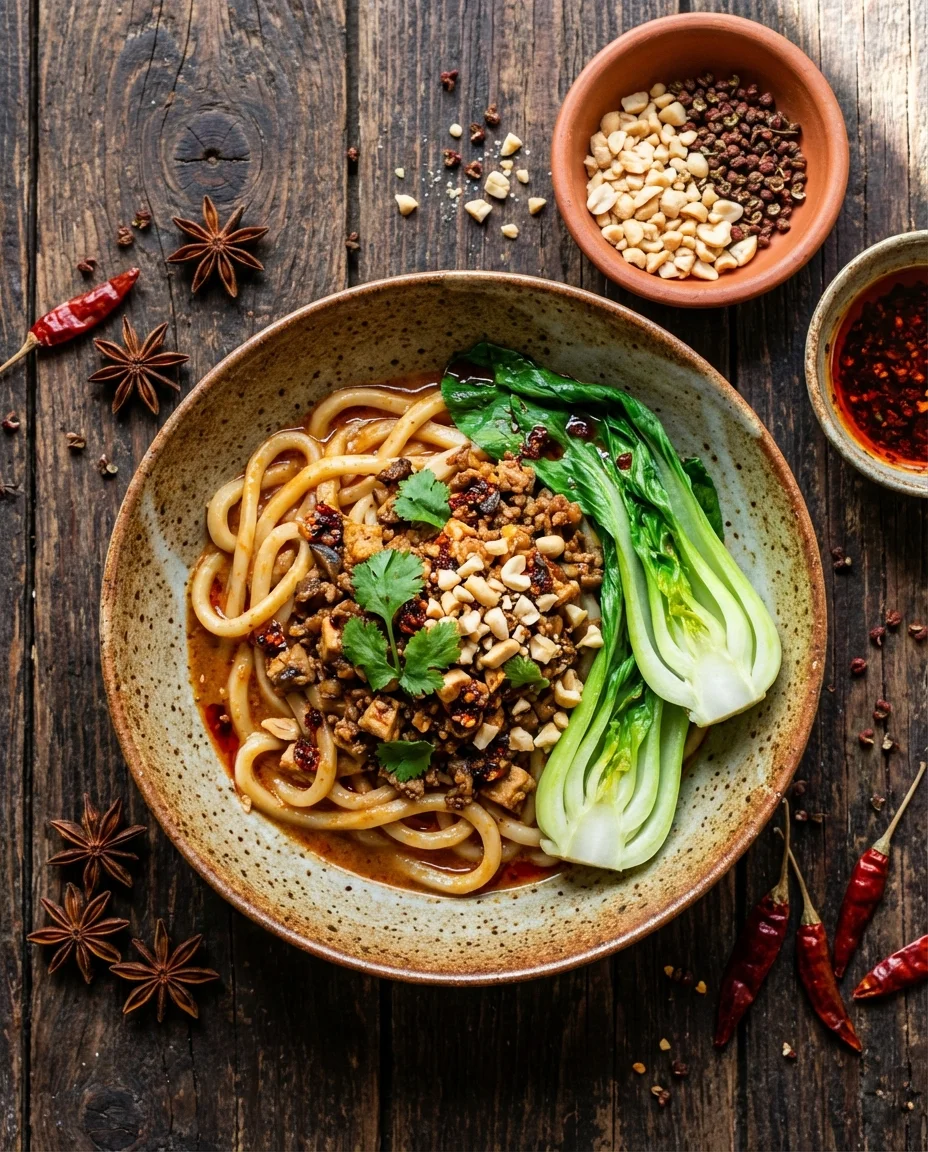
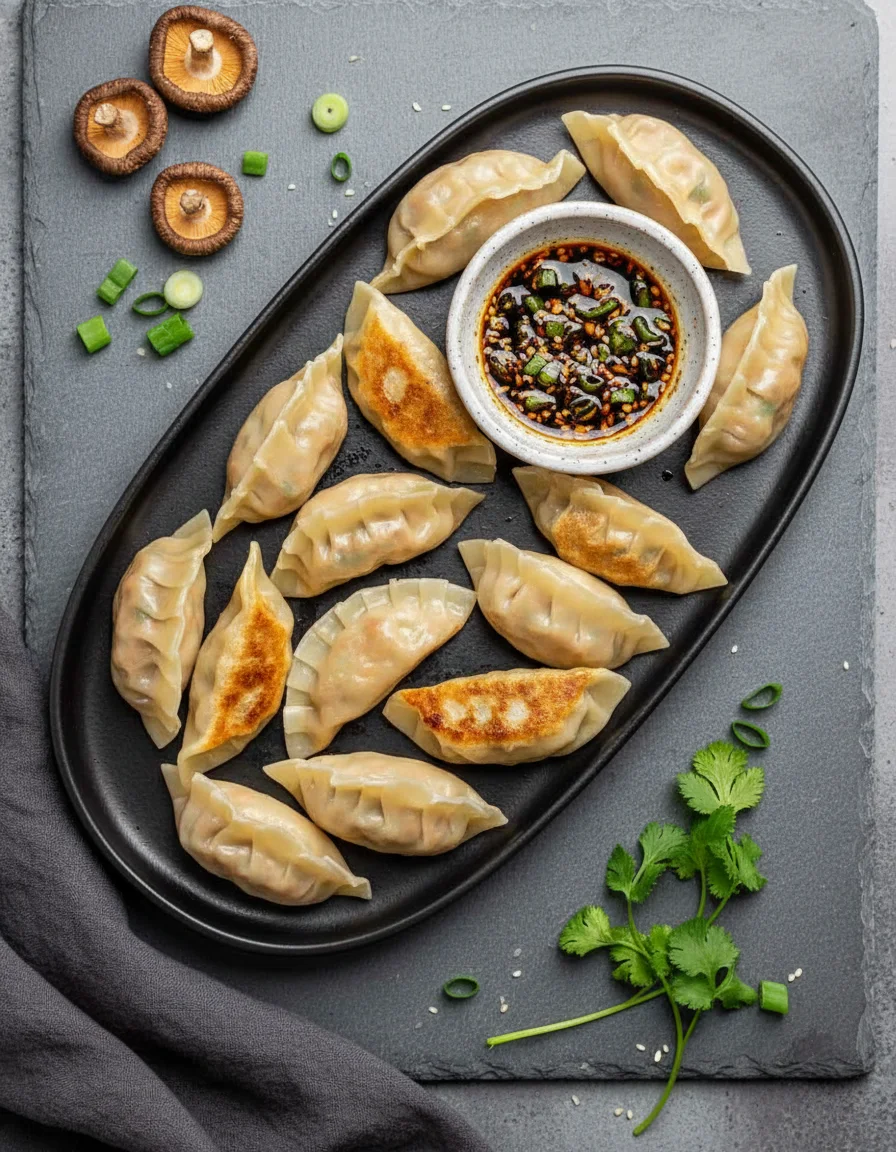
Chinese black vinegar is incredibly versatile in vegan cuisine. It's often used as a key ingredient in dipping sauces for dumplings, spring rolls, or potstickers. It adds a tangy, complex depth to stir-fries, noodle dishes like Dan Dan noodles, and hot and sour soups. You can also incorporate it into marinades for tofu or tempeh, or whisk it into dressings for Asian-inspired salads to provide a unique umami and acidic balance. A little drizzle as a finishing touch can brighten almost any savory dish.
chinese black vinegar Recipes


Showing 8 of 8 recipes