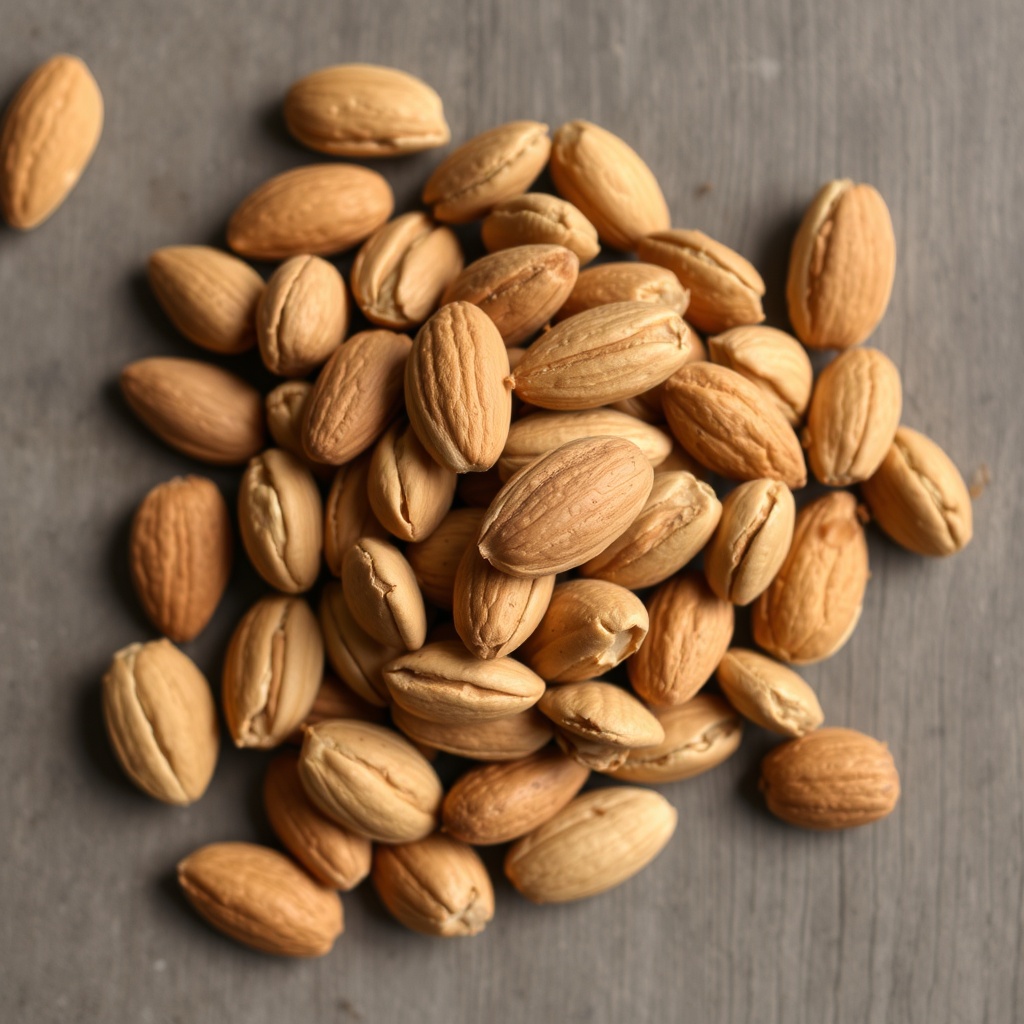
Delicious Vegan Almond Recipes: Healthy & Easy Plant-Based Meals
Discover the incredible versatility of almonds in vegan cooking! From creamy plant-based milks to crunchy toppings, explore healthy and easy recipes featuring t
About almonds
Welcome to the wonderful world of almonds, a true powerhouse in vegan cuisine! These versatile tree nuts are not only delicious but also packed with nutrients, making them a staple for plant-based eaters worldwide. Whether you're blending them into creamy milks, grinding them into flour, or simply enjoying them as a satisfying snack, almonds bring a unique flavor and texture to countless dishes.
Known for their delicate, slightly sweet taste and satisfying crunch, almonds are incredibly adaptable. From savory curries and salads to decadent desserts and morning smoothies, their presence elevates any meal. They are a fantastic way to add healthy fats, protein, and fiber to your vegan diet, making your meals more satisfying and nutritious.
Health Benefits of Almonds for Vegans
Almonds are a nutritional goldmine, especially beneficial for those following a vegan lifestyle. Here's why they deserve a permanent spot in your pantry:
- Excellent Plant-Based Protein Source: With over 20 grams of protein per 100g, almonds contribute significantly to your daily protein intake, essential for muscle repair and growth.
- Rich in Healthy Fats: Primarily monounsaturated and polyunsaturated fats (32.9g and 13.6g per 100g respectively), almonds support heart health and help absorb fat-soluble vitamins.
- High in Dietary Fiber: Providing over 10g of fiber per 100g, almonds aid digestion, promote gut health, and contribute to a feeling of fullness.
- Loaded with Vitamin E: A powerful antioxidant (23.23mg per 100g), Vitamin E helps protect cells from oxidative damage and supports skin health.
- Mineral Marvels: Almonds are an excellent source of magnesium (267mg per 100g), crucial for nerve and muscle function, and calcium (257mg per 100g), vital for strong bones, particularly important in vegan diets. They also offer iron (3.58mg per 100g) for energy and red blood cell production, and potassium (683mg per 100g) for fluid balance.
- B Vitamin Boost: They provide riboflavin (1.146mg per 100g) and niacin, supporting energy metabolism.
How to Select the Best Almonds
Choosing high-quality almonds ensures the best flavor and nutritional value:
- Raw and Unsalted: Opt for raw, unsalted almonds whenever possible. This gives you the most versatility for seasoning and preparing them as you wish. Roasted and salted almonds are great for snacking but limit their use in recipes.
- Unblanched vs. Blanched: Unblanched almonds have their skins on, which contain additional fiber and antioxidants. Blanched almonds (skins removed) have a milder flavor and are often preferred for baking or making smooth milks and butters.
- Check for Freshness: Almonds should have a firm texture and a mild, nutty aroma. Avoid any that appear shriveled, discolored, or have a rancid smell, which indicates they've gone bad.
- Packaging: Buy from reputable sources and look for airtight packaging to maintain freshness.
Storing Almonds for Maximum Freshness
Proper storage is key to extending the shelf life of almonds and preventing them from going rancid:
- Airtight Container: Always store almonds in an airtight container to protect them from moisture, air, and odors.
- Cool, Dark Place: For short-term storage (a few weeks), a cool, dark pantry is sufficient.
- Refrigeration: For longer storage (up to a year), keep them in the refrigerator. The cool temperature slows down the oxidation of their natural oils.
- Freezing: For extended freshness (up to two years), almonds can be stored in the freezer. This is especially good for larger quantities.
Embrace almonds in your vegan kitchen to add a delightful crunch, creamy texture, and a wealth of nutrients to your favorite plant-based creations!
Frequently Asked Questions
Almonds are incredibly versatile. For most uses, raw almonds are ready to go. If you want blanched almonds (skinless) for a smoother texture in milks or flours, simply soak them in hot water for 10-15 minutes, then drain and pinch off the skins. For a richer, deeper flavor, you can toast raw almonds in a dry pan over medium heat or in an oven at 300°F (150°C) for 5-10 minutes, stirring frequently, until fragrant.
almonds Recipes


Showing 5 of 5 recipes