8+ Best Vegan Poppy Seeds Recipes (Healthy & Easy)
Unlock the potential of poppy seeds in your vegan kitchen! Discover our 8+ healthy and easy plant-based recipes, from baked goods to savory dishes. Get cooking
About poppy seeds
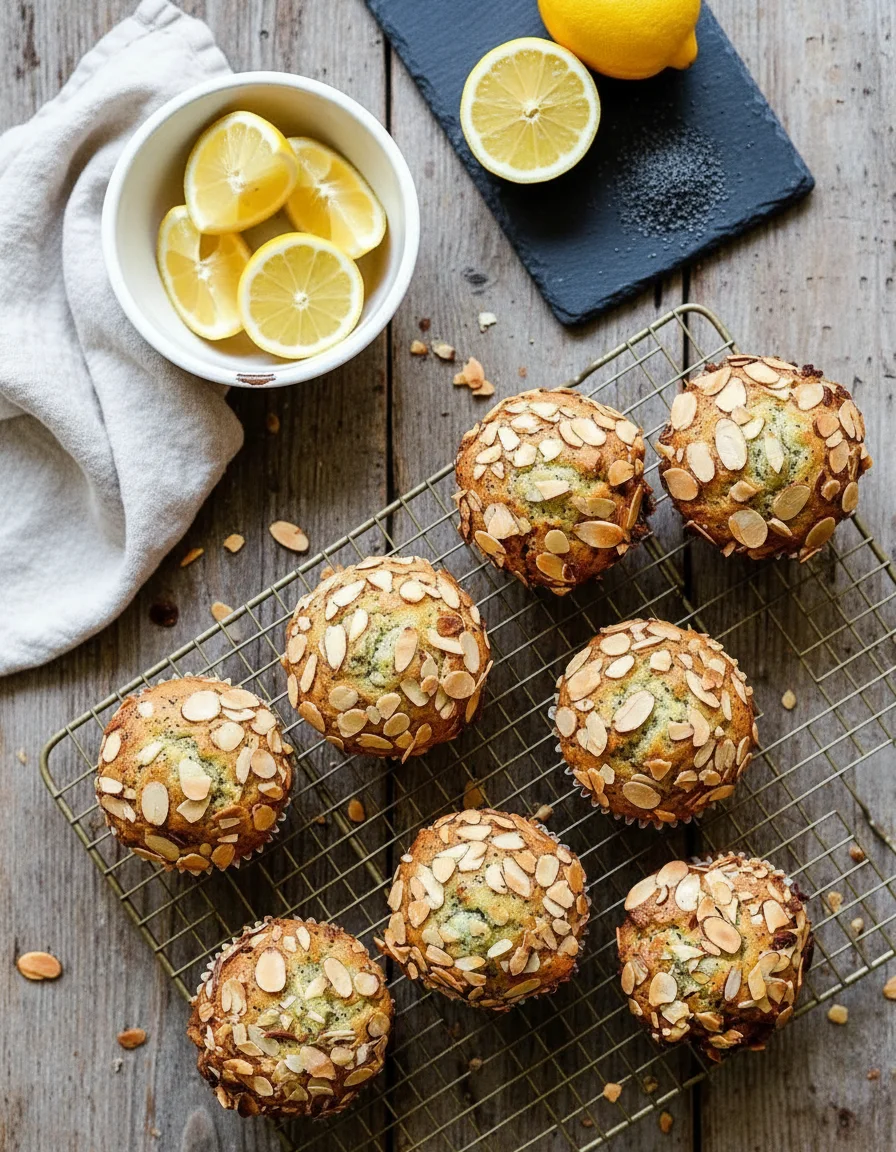
Welcome to the world of poppy seeds, those tiny, unassuming powerhouses that add a delightful crunch and distinct nutty flavor to an array of vegan dishes! Far from being just a decorative sprinkle, these miniature marvels are a staple in global cuisines, from luscious lemon poppy seed muffins to savory curries and vibrant dressings. If you're looking to elevate your plant-based cooking with an ingredient that's both versatile and incredibly beneficial, you've come to the right place. Dive in to discover everything you need to know about selecting, storing, and making the most of poppy seeds in your vegan kitchen.
The Nutritional Punch of Poppy Seeds
Don't let their small size fool you; poppy seeds are packed with an impressive array of nutrients that make them a valuable addition to any vegan diet. They are an excellent source of dietary fiber, crucial for digestive health and promoting a feeling of fullness. For those following a plant-based lifestyle, poppy seeds offer a significant boost of essential minerals:
- Calcium: With a remarkable 1438mg per 100g, poppy seeds are one of the best plant-based sources of calcium, vital for strong bones and teeth.
- Iron: Providing 9.76mg per 100g, they contribute significantly to your iron intake, helping to prevent fatigue and support oxygen transport.
- Magnesium: Essential for muscle and nerve function, blood sugar control, and blood pressure regulation.
- Phosphorus & Potassium: Important electrolytes that play a role in various bodily functions.
- Healthy Fats: Over 40% of their content is healthy fats, predominantly polyunsaturated fatty acids (like omega-6 and omega-3), which are beneficial for heart health.
- Protein: Offering nearly 18g of protein per 100g, poppy seeds can contribute meaningfully to your daily protein goals.
Adding poppy seeds to your meals is a simple and delicious way to enhance your nutrient intake and support overall well-being.
Selecting the Best Poppy Seeds
To ensure you're getting the most flavor and freshness, here are a few tips for selecting high-quality poppy seeds:
- Check the Color: Black poppy seeds are the most common and generally preferred for their robust flavor. White or blue varieties exist but are less common. Ensure the color is consistent.
- Aroma: Fresh poppy seeds should have a faint, pleasant nutty aroma. Avoid any that smell stale, musty, or rancid.
- Appearance: Look for whole, unbroken seeds. Clumps or signs of moisture could indicate spoilage.
- Source: Purchase from reputable spice merchants or stores with good turnover to ensure freshness. Organic options are also available.
- Expiration Date: Always check the best-by date on packaged seeds.
Storing Poppy Seeds for Lasting Freshness
Proper storage is key to maintaining the delicate flavor and extending the shelf life of your poppy seeds:
- Airtight Container: Transfer seeds to an airtight container immediately after purchase to protect them from air and moisture.
- Cool, Dark Place: Store the container in a pantry or cupboard away from heat and direct sunlight. At room temperature, they can last for about 6-12 months.
- Refrigeration: For even longer freshness, store poppy seeds in the refrigerator, where they can last up to a year or more.
- Freezing: For maximum longevity, especially if buying in bulk, store poppy seeds in an airtight freezer-safe bag or container in the freezer. They can maintain quality for several years.
- Avoid Grinding in Advance: For the best flavor, grind poppy seeds just before use, as their oils can quickly become rancid once exposed to air.
With their delightful texture and nutritional benefits, poppy seeds are a must-have in any vegan pantry. Explore our collection of 8+ vegan recipes to start incorporating this incredible ingredient into your healthy and delicious plant-based meals today!
Frequently Asked Questions
Most recipes use poppy seeds whole, especially in baking for texture and appearance, or as a garnish. For a more intense flavor and easier digestion, you can lightly toast them in a dry pan over medium heat for a few minutes until fragrant, being careful not to burn them. If you need a paste (like for traditional poppy seed fillings), you can grind them in a spice grinder or coffee grinder, often with a little liquid or sugar, just before use.
poppy seeds Recipes




Showing 12 of 12 recipes