15+ Best Vegan Yellow Squash Recipes (Healthy & Easy)
Discover the versatility of yellow squash with our best vegan recipes! Learn about health benefits, selection, storage, and how to cook this delicious and healt
About yellow squash
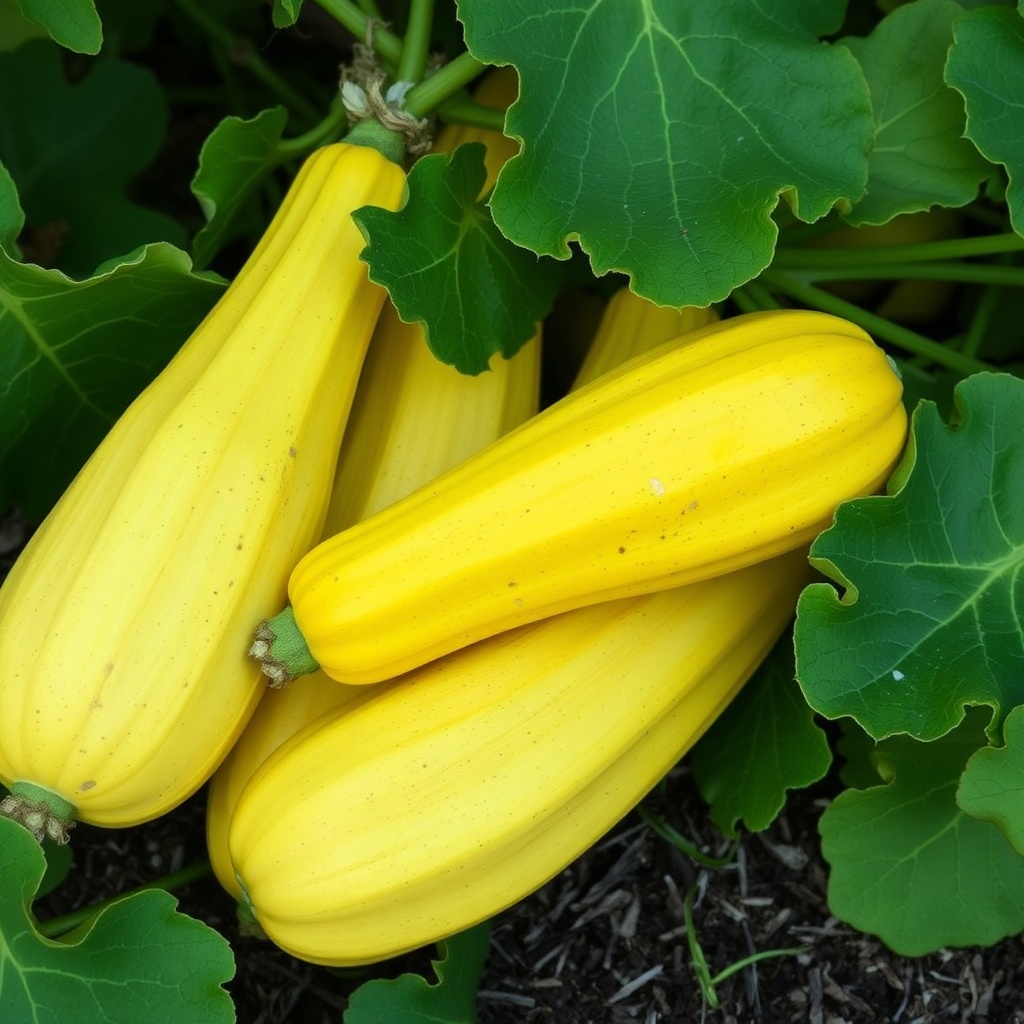
Yellow squash, a vibrant member of the summer squash family, is a true superstar in vegan cooking. With its mild, slightly sweet flavor and tender texture, it effortlessly blends into a myriad of dishes, adding a touch of sunshine to your plate. Its versatility makes it a favorite for home cooks and chefs alike, capable of transforming from a simple side dish to a hearty component in main courses. Whether you're looking to lighten up a meal or add a nutritious punch, yellow squash is an excellent, naturally plant-based choice that offers both flavor and health benefits.
Health Benefits of Yellow Squash
Incorporating yellow squash into your vegan diet brings a wealth of nutritional advantages. It's notably low in calories and fat, making it an ideal ingredient for those mindful of their energy intake. A single cup (130g) of raw yellow squash provides approximately:
- Fiber: With 1.2g of dietary fiber, yellow squash aids in digestive health, promoting regularity and contributing to a feeling of fullness.
- Vitamin C: Packing 18mg of Vitamin C, it's a good source of this powerful antioxidant, crucial for immune function and skin health.
- Vitamin A (as beta-carotene): Containing 65.1µg RAE, it supports vision and immune health.
- Potassium: Offering 182mg of potassium, it helps maintain healthy blood pressure and fluid balance.
- Other Micronutrients: Yellow squash also contributes smaller amounts of B vitamins (Thiamin, Niacin, B-6, Folate), Magnesium, and Manganese, all vital for various bodily functions within a vegan dietary framework.
Its high water content also contributes to hydration, while its rich antioxidant profile helps combat oxidative stress, making it a valuable addition to any health-conscious diet.
Selecting the Perfect Yellow Squash
Choosing the best yellow squash ensures maximum flavor and texture in your dishes. Look for squash that:
- Is firm to the touch, without any soft spots or blemishes.
- Has bright, vibrant yellow skin. Dull or faded skin can indicate older squash.
- Feels heavy for its size, which suggests good moisture content.
- Avoid squash with cuts, bruises, or overly soft areas, as these will spoil quickly.
Storing Yellow Squash for Freshness
Proper storage is key to extending the life of your yellow squash:
- Short-Term Storage: Store unwashed, whole yellow squash in a perforated plastic bag in the refrigerator's crisper drawer for up to 3-5 days. Washing it before storage can encourage spoilage.
- Long-Term Storage (Freezing): For longer storage, yellow squash can be blanched and frozen. Wash, trim, and slice or dice the squash. Blanch in boiling water for 1-2 minutes, then immediately transfer to an ice bath to stop cooking. Drain thoroughly, pat dry, and freeze in a single layer on a baking sheet before transferring to freezer-safe bags or containers. It can last for several months in the freezer, ready for soups, stews, or baked dishes.
From simple sautés to elaborate bakes, yellow squash is a remarkably adaptable ingredient that deserves a spot in every vegan kitchen. Its mild flavor profile makes it an excellent canvas for a wide array of seasonings and cuisines, ensuring delicious and healthy meals all year long.
Frequently Asked Questions
Preparing yellow squash is very simple. First, wash the squash thoroughly under cold running water. Next, trim off both ends. Depending on your recipe, you can then slice it into rounds, halve it lengthwise, dice it, or spiralize it. The skin is edible and nutritious, so there's no need to peel it unless a recipe specifically calls for it.
yellow squash Recipes




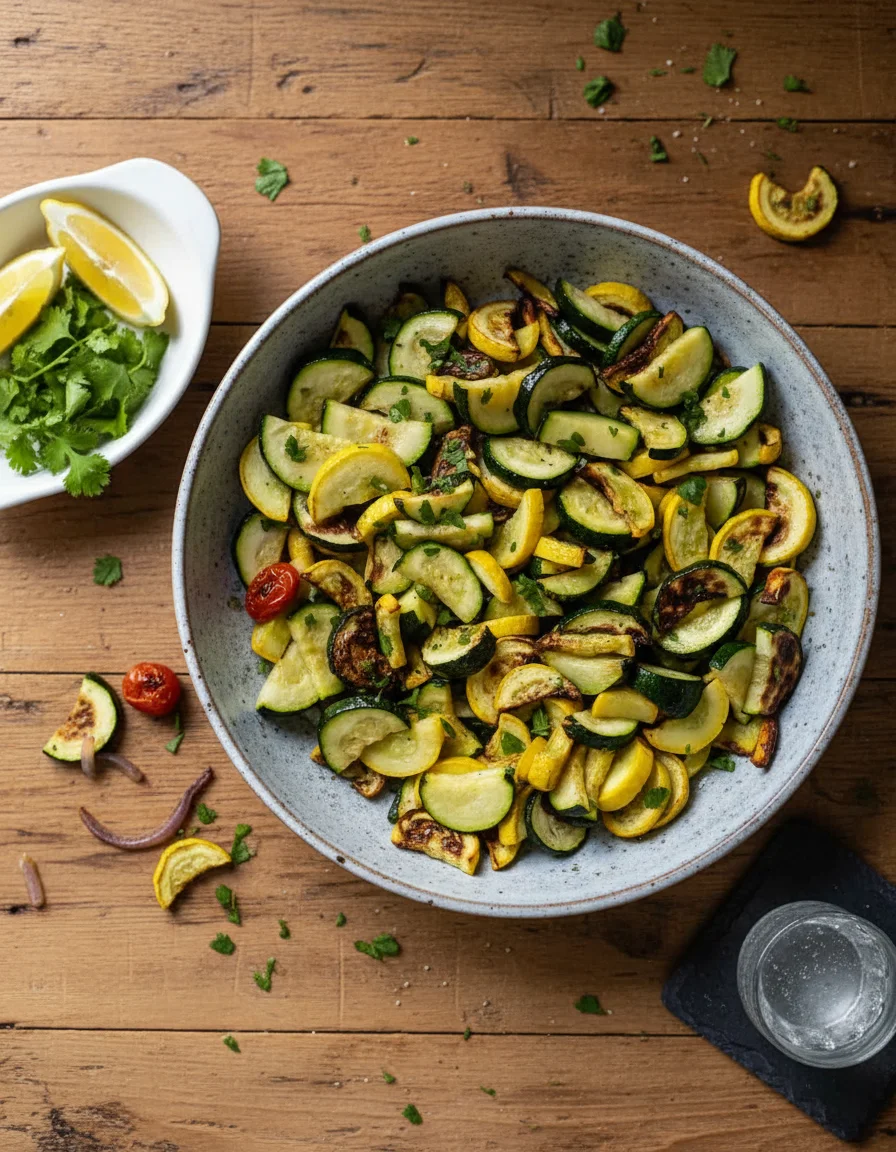
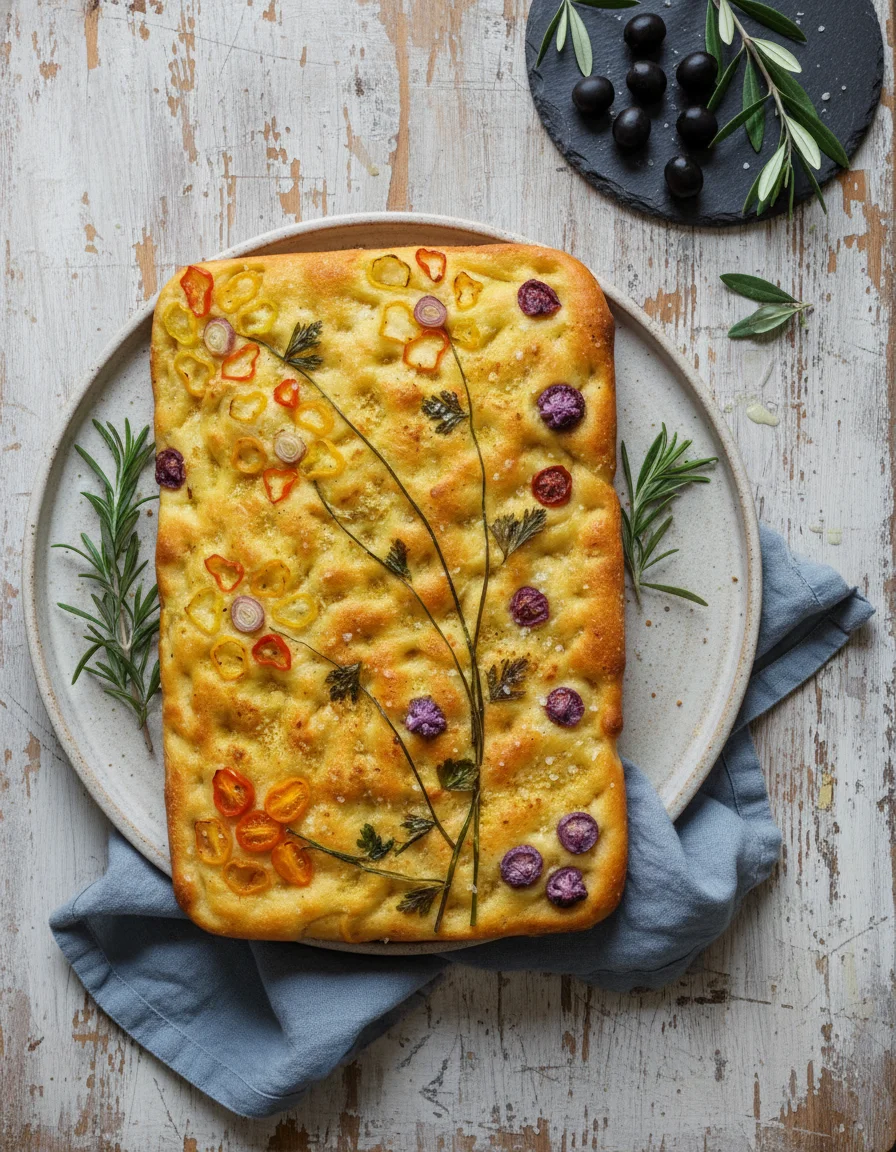
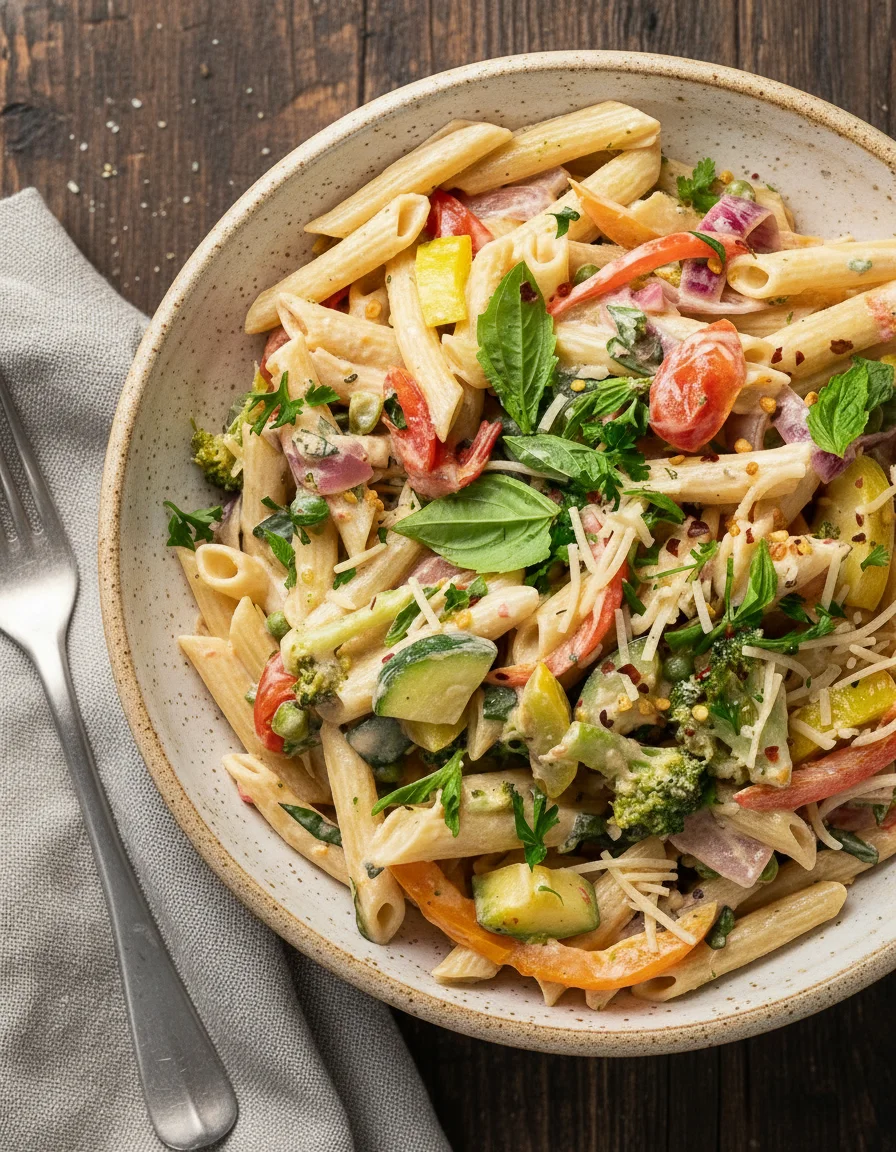
Showing 10 of 10 recipes