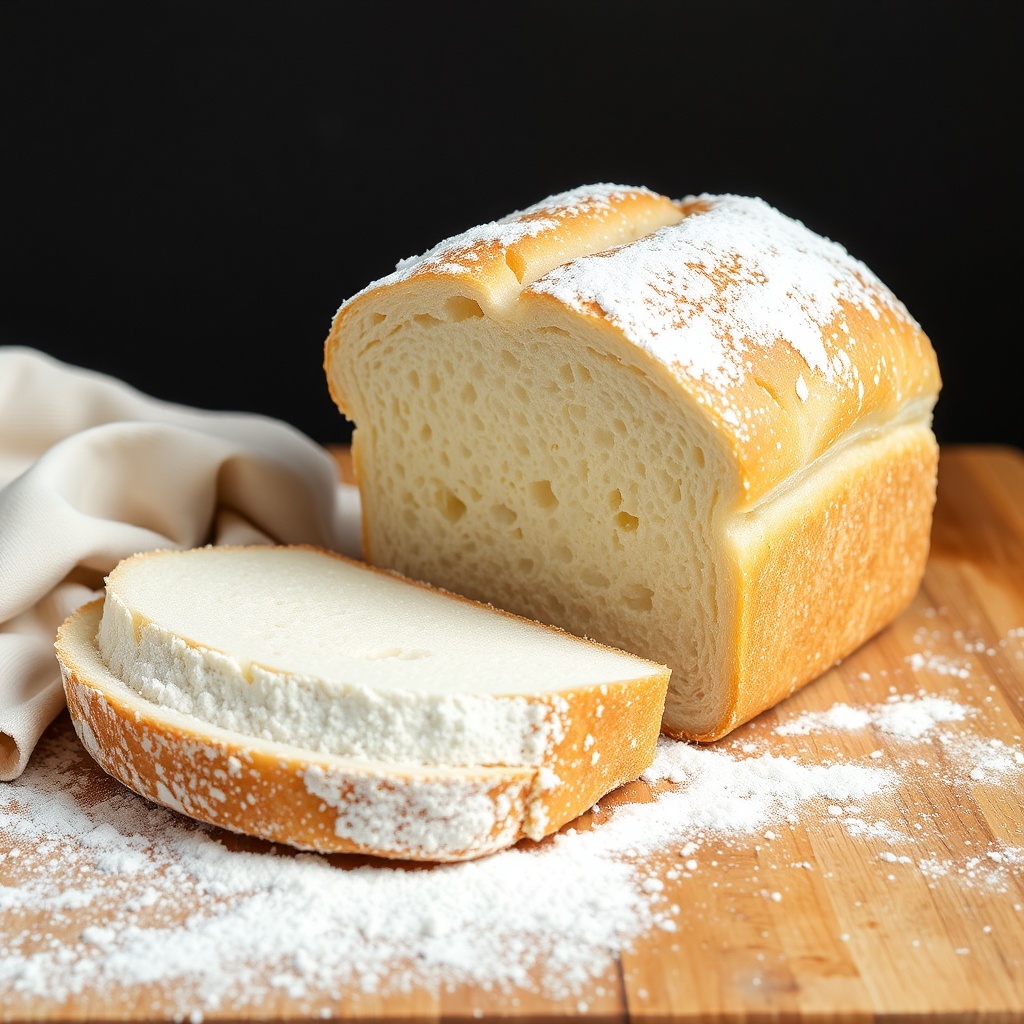
Vegan White Bread Flour: Recipes, Benefits & Essential Guide
Discover the versatility of vegan white bread flour! Learn about its health benefits, selection, storage, and find delicious plant-based recipes for baking and
About white bread flour
White bread flour is a cornerstone in many kitchens, and for good reason! This finely milled flour, typically made from hard wheat varieties, boasts a higher protein content than all-purpose flour. This extra protein is crucial for developing strong gluten networks, which are essential for creating chewy, airy textures in breads, pizzas, and other baked goods. For vegan bakers, understanding and utilizing white bread flour effectively opens up a world of possibilities, from artisanal loaves to fluffy cinnamon rolls.
Health Benefits in a Vegan Diet
While often associated with refined grains, enriched white bread flour offers several nutritional benefits, especially important for those following a vegan diet. It's a source of plant-based protein, providing approximately 12 grams per 100 grams, which contributes to muscle repair and overall bodily functions. Furthermore, enriched bread flour is fortified with essential vitamins and minerals. It's a notable source of B vitamins like Thiamin (B1), Riboflavin (B2), Niacin (B3), and Folate, which are vital for energy metabolism and nervous system health. Iron is also significantly added (4.41mg per 100g), helping to prevent iron deficiency, a common concern for some vegans. You'll also find smaller amounts of fiber, magnesium, phosphorus, potassium, zinc, and selenium, all contributing to a well-rounded diet.
How to Select the Best White Bread Flour
- Unbleached: Always opt for unbleached white bread flour. Bleached flours are treated with chemicals to whiten them and speed up aging, which can diminish flavor and nutrient quality.
- Unbromated: Look for flour that specifically states 'unbromated' on the label. Potassium bromate is a dough conditioner that has been banned in many countries due to health concerns.
- Protein Content: While general 'bread flour' will have a higher protein content (usually 12-14%), checking the nutritional label can help you compare brands for optimal gluten development.
- Organic Options: If possible, choose organic white bread flour to ensure it's grown without synthetic pesticides or fertilizers.
- Check for L-Cysteine: Some highly processed flours or dough conditioners might contain L-Cysteine, which can be animal-derived (often from duck feathers). Check the ingredient list if you are concerned, though this is more common in commercial bread products than plain flour itself.
Proper Storage for Freshness
Proper storage is key to extending the shelf life of your white bread flour and preventing it from going rancid or attracting pests. Store it in an airtight container (glass, plastic, or a heavy-duty resealable bag) in a cool, dark, and dry place, such as a pantry or cabinet. Away from heat and sunlight, flour can typically last for 6-12 months. For longer-term storage, especially if you buy in bulk, consider freezing it. Place the flour in an airtight, freezer-safe bag or container. When you need to use it, allow it to come to room temperature before measuring and baking to ensure accurate results. This versatility, coupled with its nutritional profile, makes white bread flour an indispensable ingredient in a vegan kitchen.
Frequently Asked Questions
Generally, plain white bread flour itself is vegan, as it's simply ground wheat. However, there can be hidden non-vegan ingredients or processing aids to be aware of. Some highly processed flours or dough conditioners (often found in pre-mixed bread flours or commercial bread products) might contain L-Cysteine, an amino acid that can be derived from animal sources like duck feathers or human hair. While not always animal-derived, it's a potential concern. Additionally, some bleached flours use questionable agents, though not typically animal-derived. To ensure your white bread flour is vegan, always check the ingredient list for additives. Opting for unbleached, unbromated, and organic brands often reduces the risk of encountering non-vegan processing aids. If a flour explicitly states 'vegan' or 'plant-based', that's the best assurance.
white bread flour Recipes
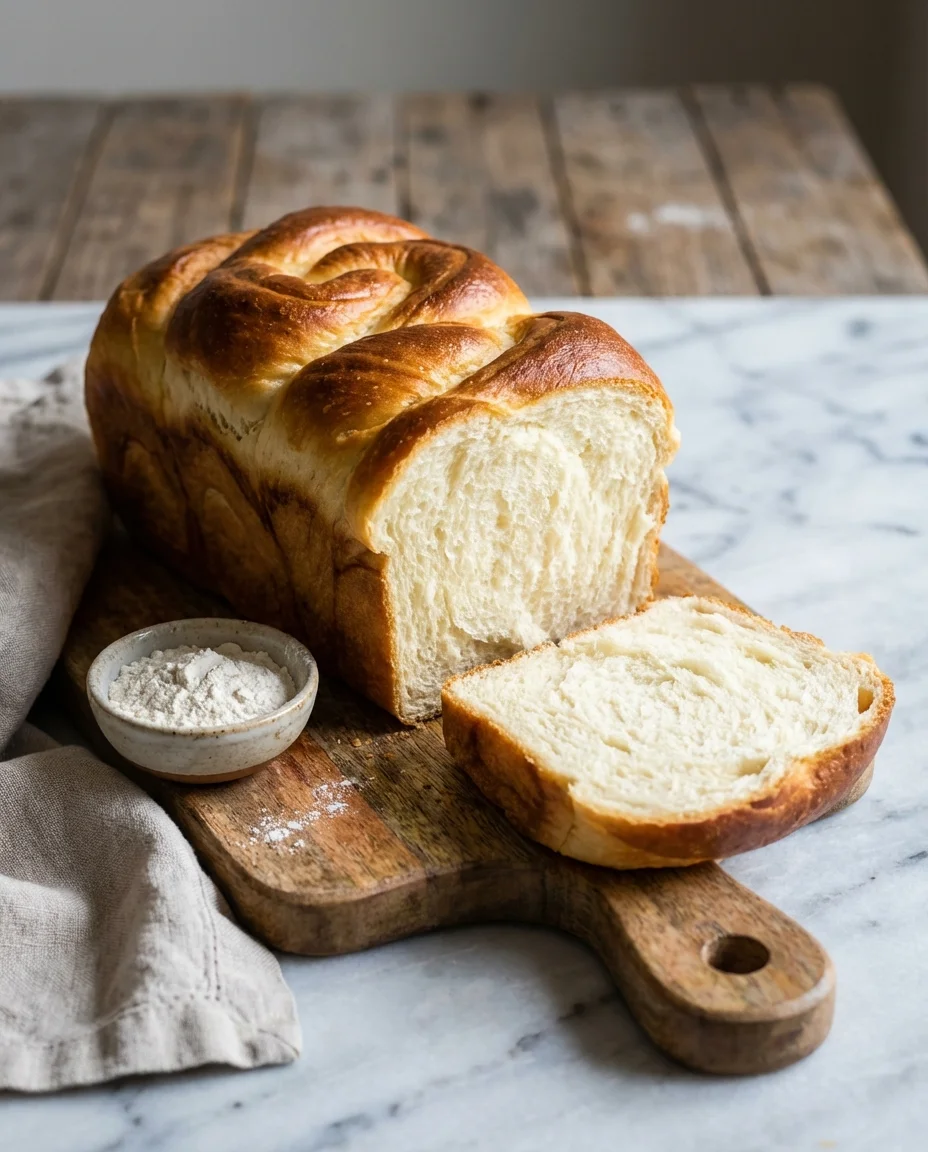


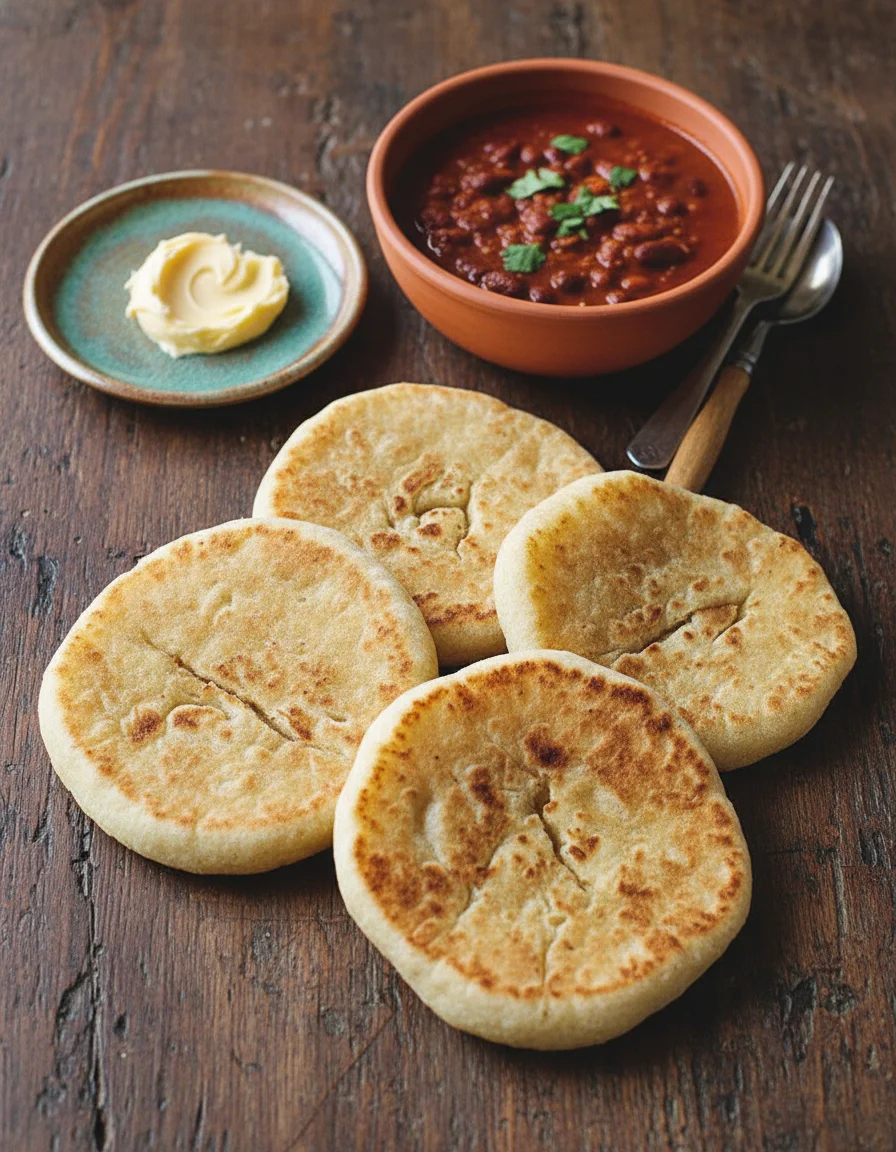
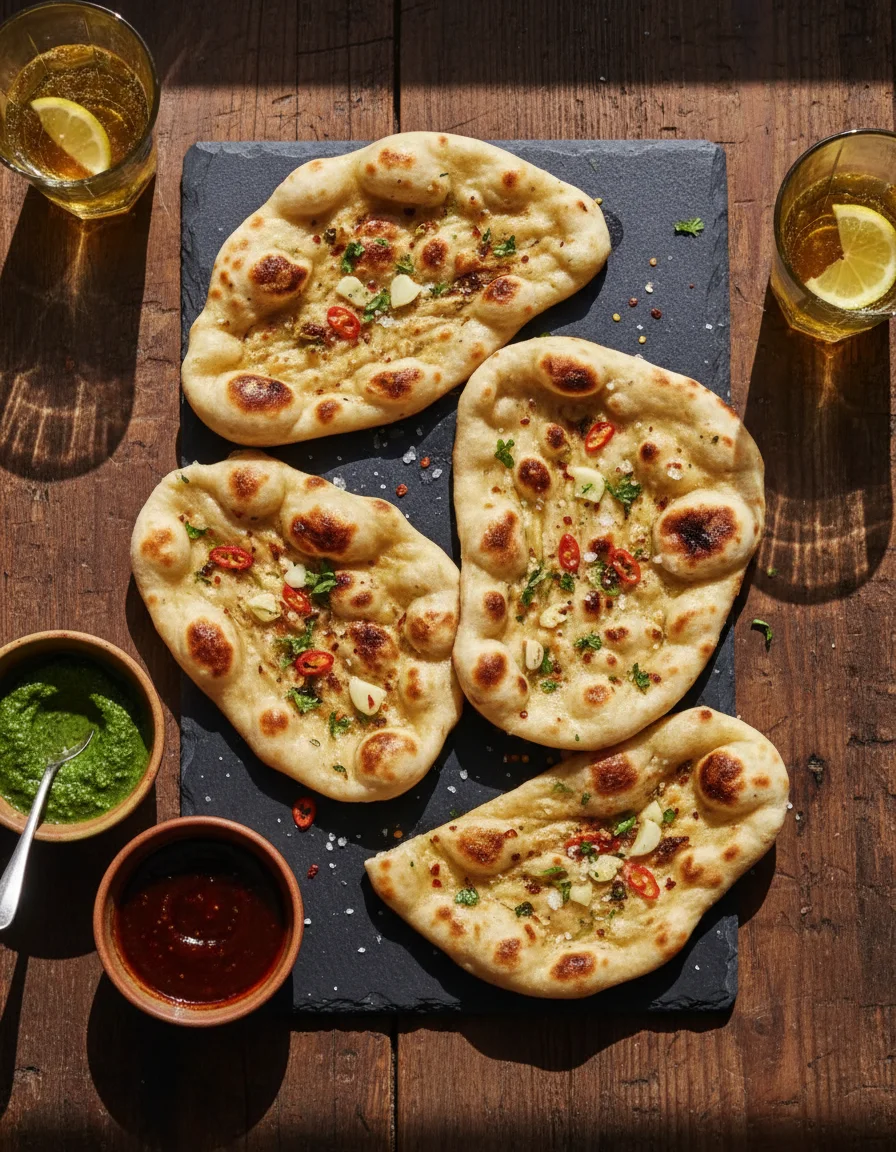


Showing 10 of 10 recipes