15+ Delicious Vegan Rhubarb Recipes (Sweet & Savory)
Discover the best vegan rhubarb recipes! From tarts and crumbles to savory sauces, explore its unique flavor, health benefits, and how to cook this versatile se
About rhubarb
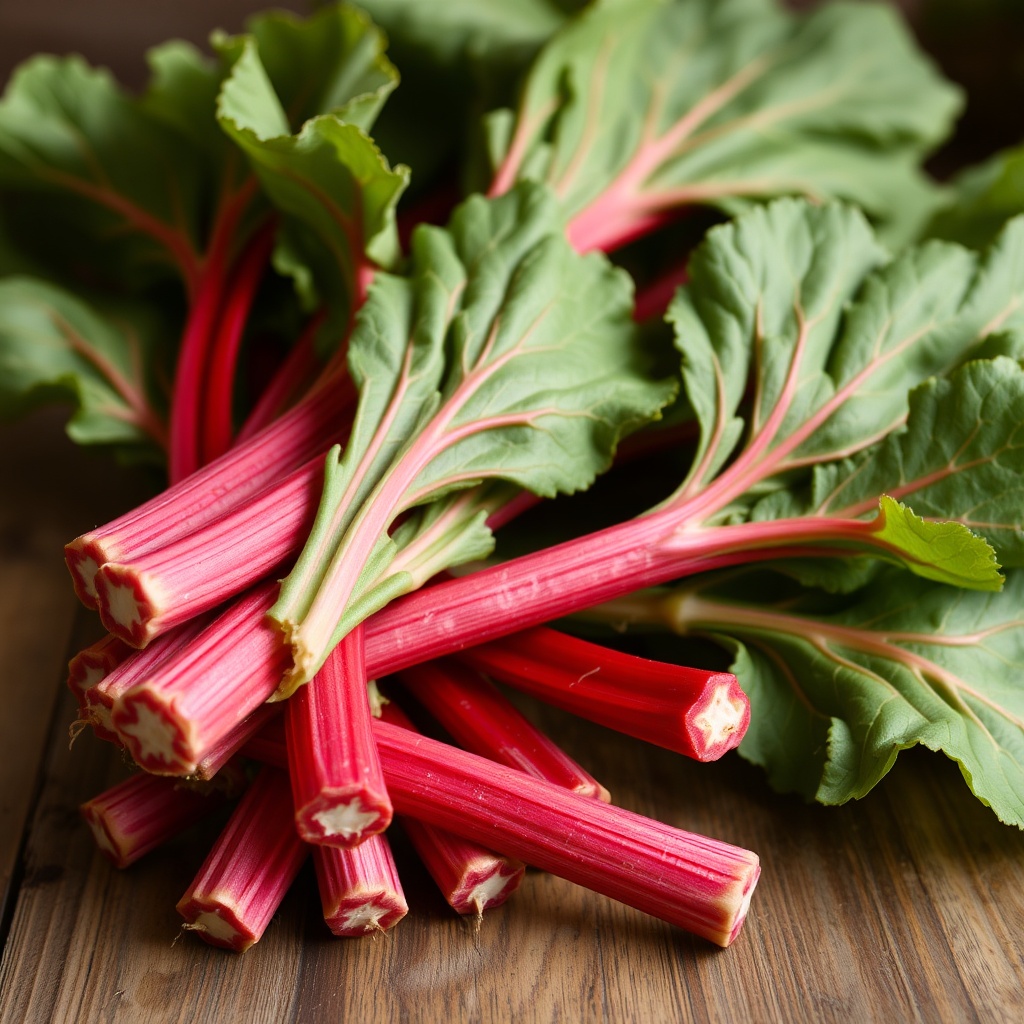
Welcome to the wonderful world of rhubarb, often hailed as the "pie plant" and a beloved sign of spring! With its striking crimson to green stalks and distinctively tart flavor, rhubarb brings a vibrant zest to both sweet and savory vegan dishes. While botanically a vegetable, its culinary use typically leans towards fruits, making it a star in desserts, jams, and even unexpected savory preparations.
Health Benefits of Rhubarb for a Vegan Diet
Incorporating rhubarb into your vegan diet offers a host of nutritional advantages. It's not just a flavor powerhouse; it's also packed with beneficial nutrients:
- Bone Health Powerhouse: Rhubarb is an excellent source of Vitamin K, crucial for bone metabolism and blood clotting. It also provides a good amount of calcium (86 mg per 122g serving), a vital mineral for maintaining strong bones, particularly important in plant-based diets.
- Immune Support: With a notable amount of Vitamin C (8 mg per 122g serving), rhubarb helps bolster your immune system and acts as an antioxidant, protecting your cells from damage.
- Digestive Wellness: The dietary fiber (1.8g per 122g serving) in rhubarb supports healthy digestion, promotes regularity, and can contribute to a feeling of fullness, aiding in weight management.
- Mineral Rich: Beyond calcium and Vitamin K, rhubarb also supplies potassium (288 mg per 122g serving), which is important for maintaining healthy blood pressure, and other trace minerals like magnesium and manganese.
- Low in Calories: Rhubarb is naturally low in calories and fat (0.2g per 122g serving), making it a fantastic addition to a balanced diet when prepared with minimal added sugars.
Selecting the Best Rhubarb
Choosing high-quality rhubarb is key to delicious results. Look for:
- Firm Stalks: The stalks should be crisp and firm, not limp or rubbery.
- Vibrant Color: While color can vary by variety (from deep crimson to greenish-pink), look for stalks with a rich, uniform color. Redder stalks don't necessarily mean sweeter, but they often indicate a desirable variety.
- Fresh Ends: The cut ends should appear fresh and not dried out or split.
- Avoid Leaves: Ensure the leaves are removed, as they are toxic due to high levels of oxalic acid. If present, discard them immediately.
Storing Rhubarb for Freshness
Proper storage will help you enjoy rhubarb's unique flavor for longer:
- Fresh in the Fridge: Unwashed rhubarb stalks can be wrapped in a damp paper towel and then placed in a plastic bag in the crisper drawer of your refrigerator. It will stay fresh for 1 to 2 weeks.
- Cooked Rhubarb: Store any cooked rhubarb (like compote or pie filling) in an airtight container in the refrigerator for 3-5 days.
- Freezing for Later: To preserve rhubarb for extended periods, wash and chop the stalks into desired lengths. You can blanch them briefly in boiling water for 1-2 minutes, then immediately plunge into ice water to retain color and texture, though many skip this step for baking. Spread the pieces in a single layer on a baking sheet and freeze until solid, then transfer to freezer-safe bags or containers. Frozen rhubarb can last for up to a year, perfect for enjoying its taste long after the season ends.
From vibrant jams and tangy pies to innovative savory sauces and glazes for plant-based proteins, rhubarb's versatility in vegan cooking is immense. Get ready to explore its unique flavor profile and elevate your culinary creations!
Frequently Asked Questions
First, always discard the leaves as they are toxic. Wash the stalks thoroughly under cold water. Trim off any very dry or woody ends. Depending on your recipe, you'll typically chop the stalks into 1/2 to 1-inch pieces. Peeling is generally not necessary unless the stalks are particularly tough or stringy.
rhubarb Recipes


Showing 9 of 9 recipes