11+ Best Vegan Sage Recipes (Healthy & Flavorful)
Discover the power of sage in vegan cooking! Explore 11+ healthy and delicious plant-based recipes featuring fresh and dried sage. Boost flavor and wellness!
About sage leaves
Welcome to the aromatic world of sage, a herb beloved for its robust, earthy flavor and incredible versatility in vegan cuisine. While often associated with traditional holiday dishes, sage deserves a starring role in your everyday plant-based cooking. Its distinctive, slightly peppery, pine-like notes can transform simple ingredients into gourmet meals. From savory roasts to comforting pasta dishes, sage adds depth and warmth that is truly irresistible. If you're looking to elevate your vegan dishes with a touch of culinary magic and a host of health benefits, sage is your new best friend.
Health Benefits of Sage
Beyond its fantastic flavor, sage is a nutritional powerhouse, packed with compounds that offer significant health advantages, making it an excellent addition to any vegan diet. It's rich in antioxidants, such as rosmarinic acid and luteolin, which help combat oxidative stress and inflammation in the body. Studies suggest that sage may support brain health, improving memory and cognitive function, thanks to its neuroprotective properties. It also contains vitamins K, B6, and C, as well as minerals like calcium, iron, and manganese, contributing to bone health, energy production, and immune support. Furthermore, sage has been traditionally used for its digestive benefits, helping to soothe upset stomachs and improve gut health. Incorporating sage into your vegan meals isn't just about taste; it's about nourishing your body with potent plant-based goodness.
Selection Tips for Fresh Sage
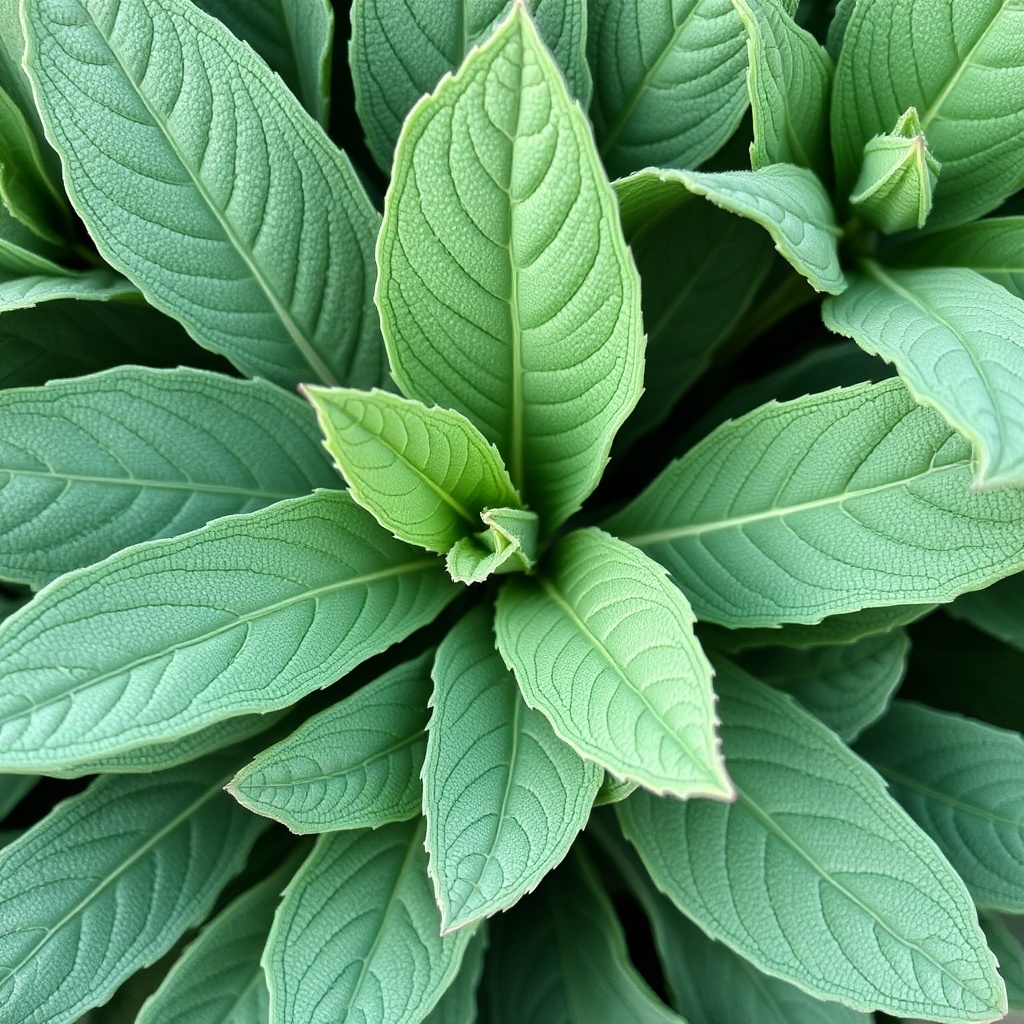
Choosing fresh sage is key to unlocking its full aromatic potential. When selecting sage leaves, look for vibrant, deep green leaves that are firm to the touch and free from any yellowing, wilting, or dark spots. The leaves should have a strong, pleasant aroma when gently bruised. Avoid bundles where leaves appear brittle, slimy, or have any signs of mold. Organic sage is often preferred, ensuring you're getting a pure herb free from pesticides.
Storage Tips to Keep Sage Fresh
To keep your fresh sage vibrant and flavorful for longer, proper storage is essential. The best method is to wrap the unwashed sage leaves in a slightly damp paper towel, then place them inside a sealed plastic bag or an airtight container. Store this in the crisper drawer of your refrigerator, where it can stay fresh for up to one week. For longer storage, you can freeze sage: simply wash and pat dry the leaves, chop them, and freeze in ice cube trays with a little olive oil or water. Once frozen, transfer the cubes to a freezer-safe bag for up to 6 months. Dried sage should be stored in an airtight container in a cool, dark pantry away from direct sunlight and heat, where it can maintain its potency for 1-3 years.
Versatility in Vegan Cooking
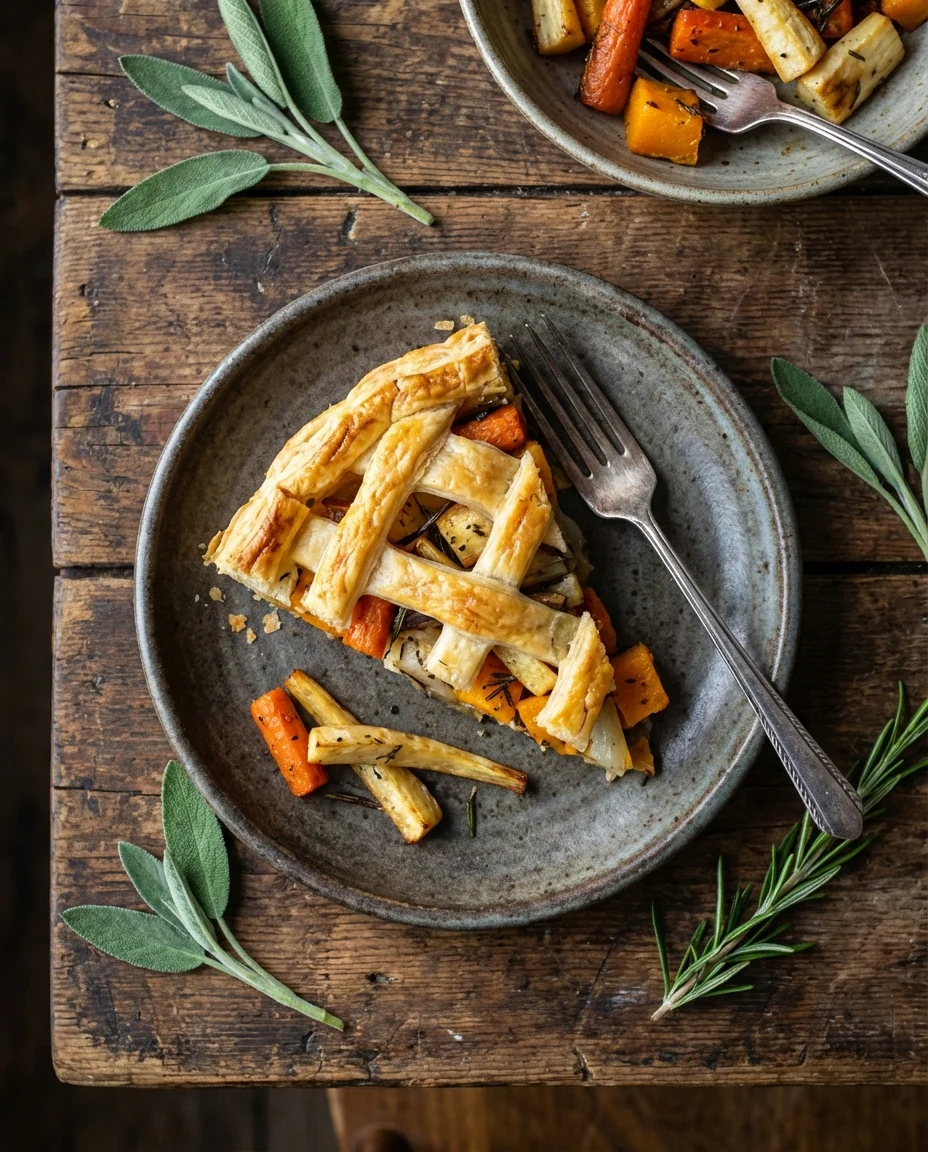
Sage's robust flavor profile makes it incredibly versatile in vegan cooking. It shines in hearty dishes like lentil shepherds pie, plant-based 'sausage' patties, and creamy potato bakes. It pairs beautifully with roasted root vegetables, mushrooms, and squash, imparting a comforting, earthy note. Don't limit it to savory applications; a hint of sage can even add an intriguing twist to fruit-based desserts or beverages. Whether fresh or dried, sage is a powerful ingredient ready to elevate your vegan culinary creations.
Frequently Asked Questions
Fresh sage leaves can be used whole, torn, chopped, or finely minced depending on the recipe. For a milder flavor, add them at the end of cooking. For a more pronounced, earthy taste, sauté them in oil at the beginning or infuse them into sauces and soups. Dried sage is more concentrated, so use about a third of the amount compared to fresh sage. Always remember to wash fresh leaves thoroughly before use.
sage leaves Recipes







Showing 11 of 11 recipes