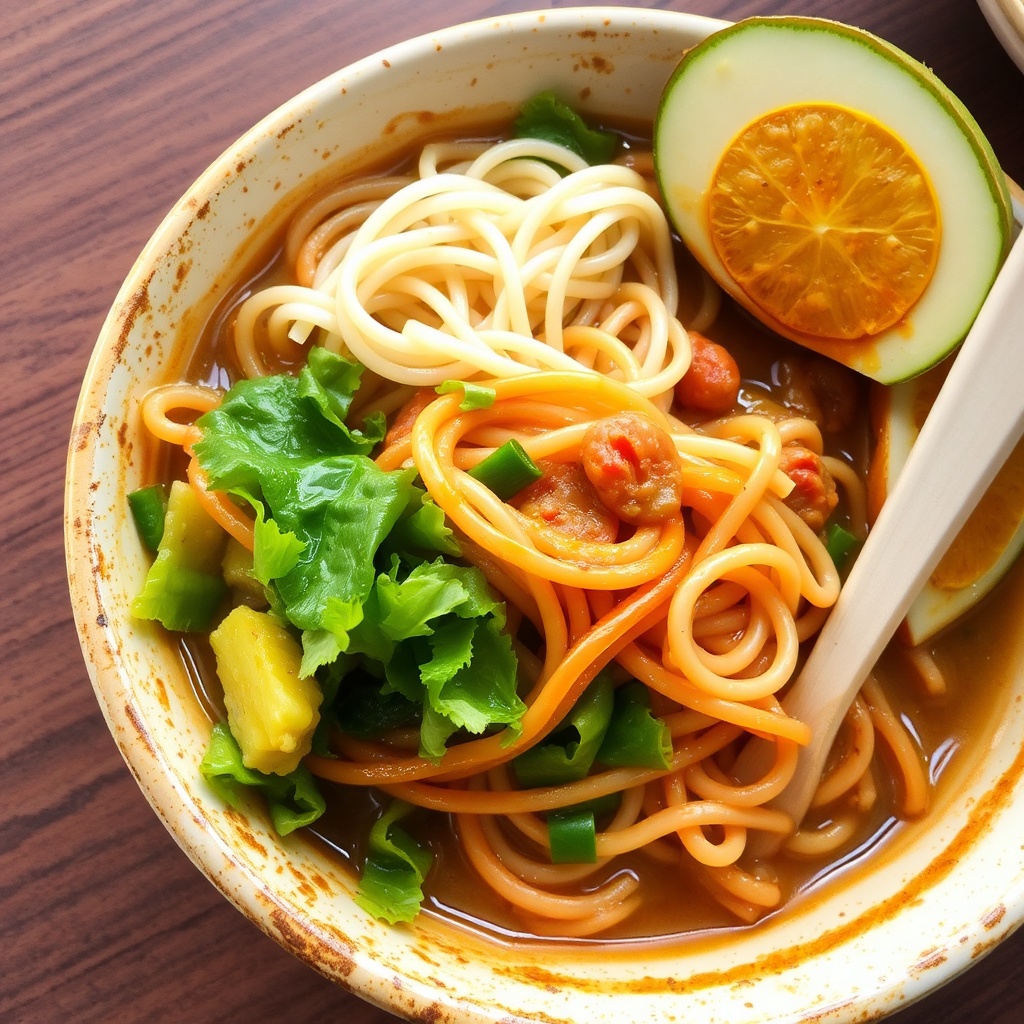
15+ Best Vegan Noodles Recipes (Healthy & Easy)
Craving delicious vegan noodle dishes? Explore our collection of healthy and easy plant-based recipes, from stir-fries to hearty soups. Find your new favorite n
About noodles
Noodles are a global staple, beloved for their comforting texture and incredible versatility. In vegan cooking, they truly shine, forming the base for countless satisfying meals. From the delicate strands of rice vermicelli to hearty wheat noodles, there's a type of noodle for every dish and every palate. This guide will delve into the world of vegan noodles, helping you select, store, and understand the benefits of incorporating them into your plant-based kitchen.
Health Benefits of Vegan Noodles
Noodles, particularly varieties like rice noodles, offer a fantastic source of energy, primarily from complex carbohydrates. This sustained energy release is crucial for active lifestyles and can keep you feeling full and satisfied. They are naturally low in fat and provide some dietary fiber, aiding in digestion. The nutritional data for dry rice noodles shows they contain small amounts of essential minerals like phosphorus, magnesium, and selenium, which contribute to bone health, muscle function, and antioxidant defense. Choosing whole wheat or gluten-free options can further boost their nutritional profile, adding more fiber and diverse micronutrients.
Selecting the Best Vegan Noodles
When selecting vegan noodles, always check the ingredient list carefully. Many traditional pasta and Asian noodles are made solely from flour and water, making them naturally vegan. However, some fresh noodles, particularly egg noodles, contain eggs. Look for options labeled "egg-free" or made with rice flour, wheat flour, buckwheat (soba), or bean starch (glass noodles).
- Dried Noodles: These are the most common and shelf-stable. Look for varieties like spaghetti, linguine, ramen (check ingredients!), udon, soba, rice vermicelli, and wider rice noodles.
- Fresh Noodles: Often found in the refrigerated section of Asian markets. Confirm they are egg-free. They cook much faster.
- Ingredient Focus: Opt for whole wheat varieties when possible for added fiber and nutrients, or gluten-free alternatives like brown rice pasta or konjac noodles if you have dietary restrictions.
Storing Vegan Noodles for Freshness
Proper storage ensures your noodles remain delicious and ready for your next meal.
- Dried Noodles: Store dried noodles in a cool, dry, dark pantry in their original packaging or an airtight container. They have a very long shelf life, typically several years.
- Fresh Noodles: Keep fresh noodles refrigerated and use them by the expiration date, usually within a few days. If unopened, they might last a week or two. Once opened, consume within 1-2 days.
- Cooked Noodles: Cooked noodles should be stored in an airtight container in the refrigerator for 3-5 days. To prevent sticking, you can toss them with a tiny bit of oil before storing.
Versatility in Vegan Cooking
Noodles are incredibly versatile in vegan cooking. They can be the star of a hearty stir-fry, a comforting bowl of soup, a refreshing cold salad, or even baked into a casserole. Their ability to absorb flavors makes them perfect for pairing with vibrant vegetables, rich sauces, and plant-based proteins like tofu or tempeh.
Vegan Substitutions
Plant-based alternatives for noodles in your recipes
| Original Ingredient | Replace with | Vegan Alternative | Notes |
|---|---|---|---|
| Egg Noodles | Wheat-based noodles (e.g., ramen, udon, lo mein), rice noodles, glass noodles, bean thread noodles, linguine, spaghetti | When a recipe calls for egg noodles, you can easily substitute them with any egg-free noodle. For Asian-inspired dishes, look for fresh or dried wheat-based noodles (like ramen or lo mein varieties) that clearly state "egg-free" on the packaging, or opt for rice noodles or glass noodles which are naturally vegan. For Italian dishes, most dried pasta is egg-free. Always double-check the ingredient list. |
Substitution ratios may vary by recipe. Start with a 1:1 ratio and adjust to taste.
Frequently Asked Questions
To prevent noodles from sticking, cook them in a large pot of generously salted boiling water. Stir them occasionally, especially at the beginning, to ensure even cooking and prevent clumping. For some dishes, rinsing cooked noodles with cold water immediately after draining can also help, especially for salads or stir-fries, but avoid this for creamy sauces where you want the starch to help the sauce adhere.
noodles Recipes
Showing 11 of 11 recipes