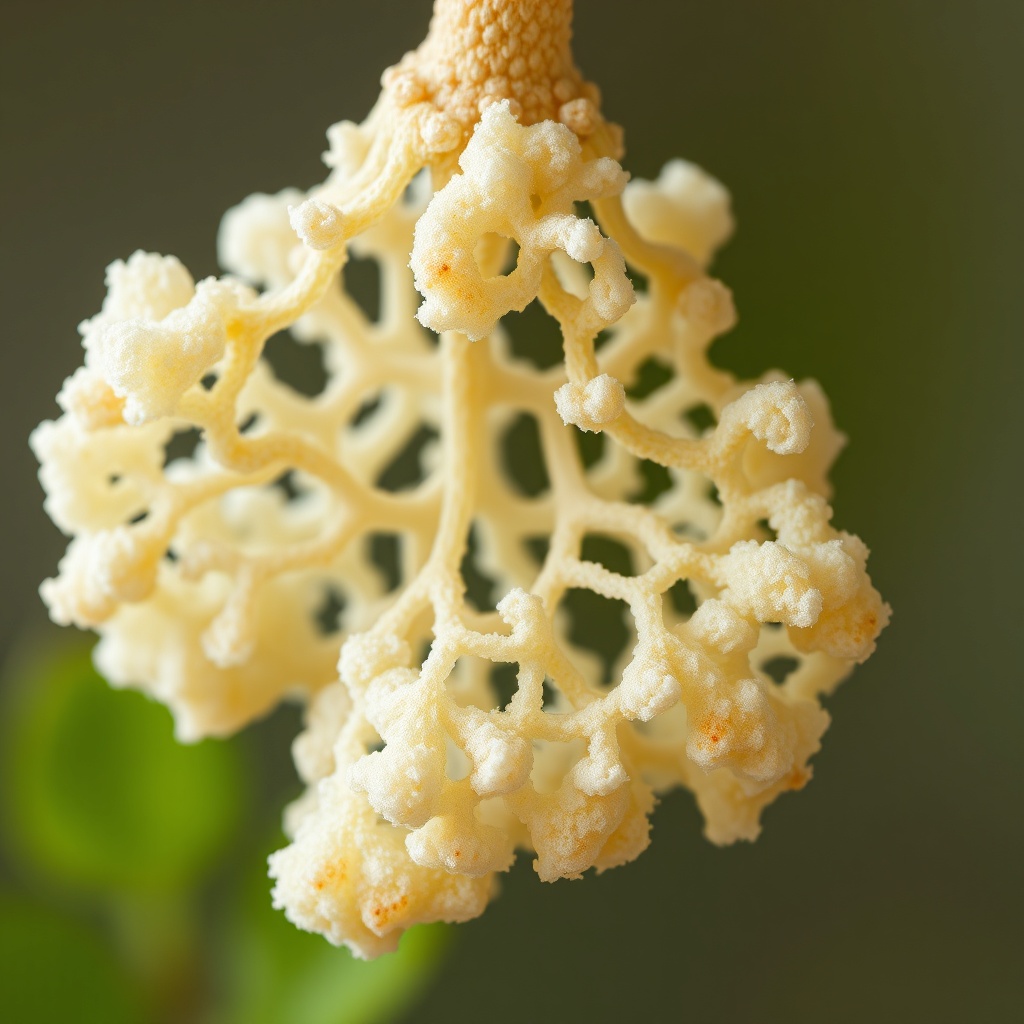
Vegan Baking Made Easy: 10+ Recipes Using Active Dry Yeast
Unlock perfect vegan baking with active dry yeast! Discover essential tips for activating, storing, and using yeast in breads, pizzas, and more. Get our best pl
About active yeast
Welcome to the world of active dry yeast, a humble yet powerful ingredient that is absolutely essential for many of your favorite vegan baked goods! If you've ever enjoyed a fluffy loaf of homemade bread, a chewy pizza crust, or soft, sweet cinnamon rolls, you have active dry yeast to thank. This microscopic marvel is a living organism that, when activated, produces carbon dioxide, causing dough to rise and develop its characteristic airy texture and delightful flavor. For vegan bakers, understanding and mastering active dry yeast is a cornerstone skill, opening up a universe of delicious plant-based possibilities.
Health Benefits of Active Dry Yeast
While used in small quantities, active dry yeast contributes beneficial nutrients to your vegan diet. It's a fantastic natural source of B vitamins, including Thiamin (B1), Riboflavin (B2), Niacin (B3), Vitamin B-6, and Folate. These B vitamins are crucial for energy metabolism, nerve function, and overall well-being, which is particularly valuable for those following a plant-based lifestyle. Active dry yeast also provides essential minerals like phosphorus, potassium, magnesium, zinc, and iron, all vital for various bodily functions. Though its primary role isn't a macronutrient source due to small usage, it’s worth noting that yeast itself is rich in protein and dietary fiber.
Selecting the Best Active Dry Yeast
Choosing the right active dry yeast ensures your baking success. Always look for packages that are sealed and undamaged. Pay close attention to the expiration date – yeast is a living organism, and expired yeast will lose its potency, leading to flat, dense baked goods. Active dry yeast typically comes in small packets or larger jars. If you're an infrequent baker, smaller packets are ideal to ensure freshness. For regular bakers, larger jars can be more economical, provided you store them correctly.
Storing Active Dry Yeast for Optimal Freshness
Proper storage is key to extending the shelf life and potency of your active dry yeast. Unopened packages or jars should be stored in a cool, dark, and dry place, like a pantry, away from direct sunlight or heat. Once opened, active dry yeast is best stored in an airtight container in the refrigerator or freezer. The cold temperatures significantly slow down the yeast's activity, preserving its leavening power for much longer. When stored in the fridge, it can last for several months, and in the freezer, up to a year or even more. Just remember to let it come to room temperature before activating it for your recipes.
Unlocking Vegan Baking Potential
Active dry yeast is incredibly versatile in vegan cooking. It’s the secret behind fluffy yeast breads, savory pizza crusts, soft dinner rolls, bagels, and even sweet treats like vegan doughnuts and sticky buns. Its ability to create lift and texture is unparalleled, making it an indispensable ingredient for any vegan baker looking to explore the vast and delicious world of fermented doughs. With the right techniques and a fresh batch of yeast, you’ll be creating bakery-quality vegan goods right in your own kitchen!
Frequently Asked Questions
To activate active dry yeast, you'll need warm liquid (typically water or plant-based milk) and a touch of sugar. The ideal temperature for the liquid is between 105-115°F (40-46°C). Dissolve about 1 teaspoon of sugar in 1/2 cup of the warm liquid, then sprinkle 2 1/4 teaspoons (one standard packet) of active dry yeast over the top. Let it sit for 5-10 minutes. If the yeast is active, it will foam up and create a creamy layer on the surface, indicating it's ready to use. If it doesn't foam, your yeast may be expired or the liquid was too hot or cold, and it's best to start with a new batch.
active yeast Recipes


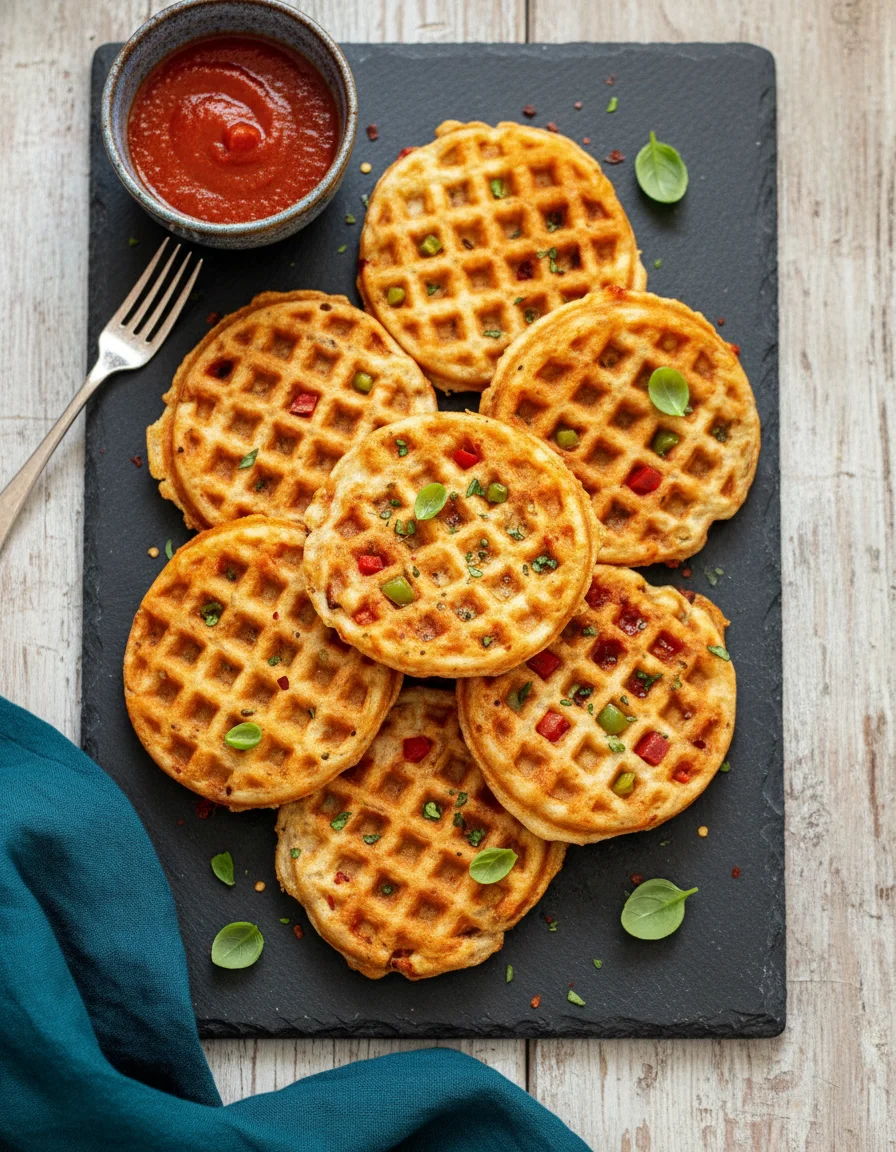
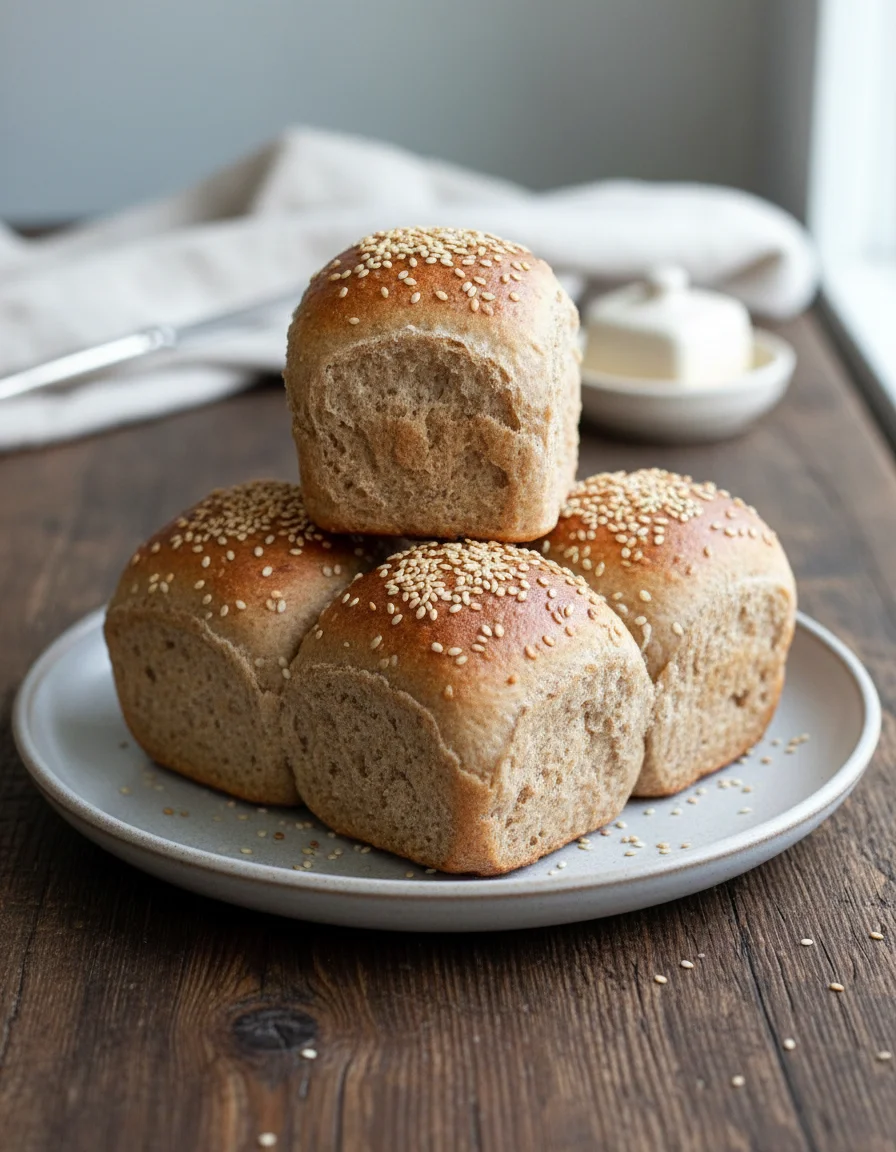
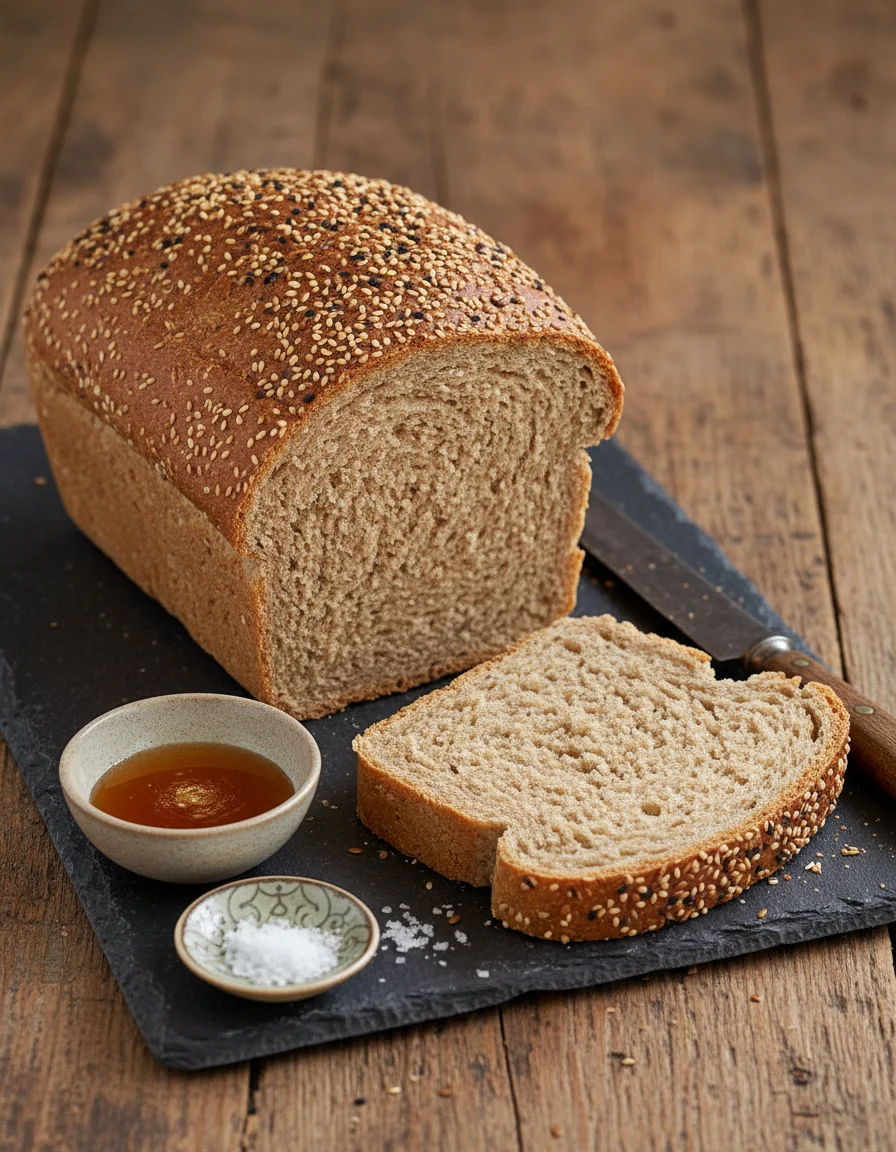


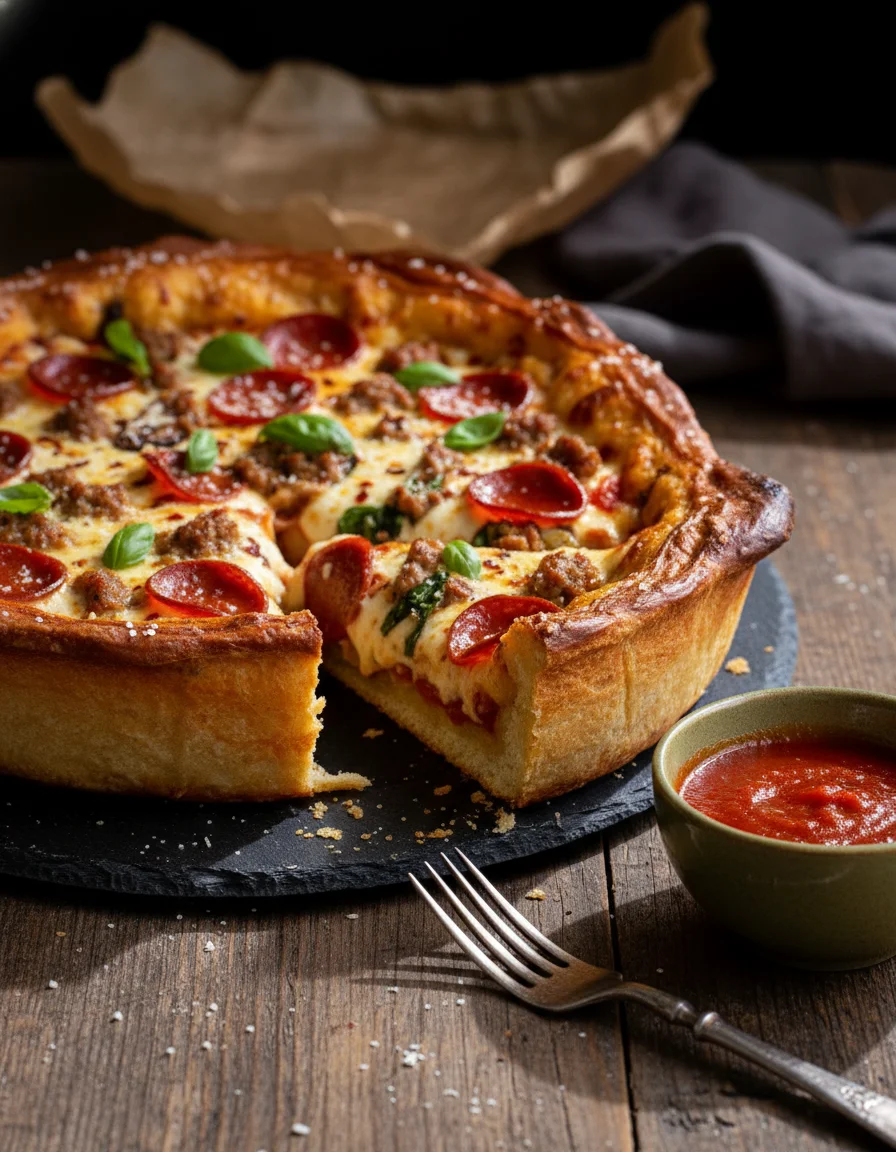
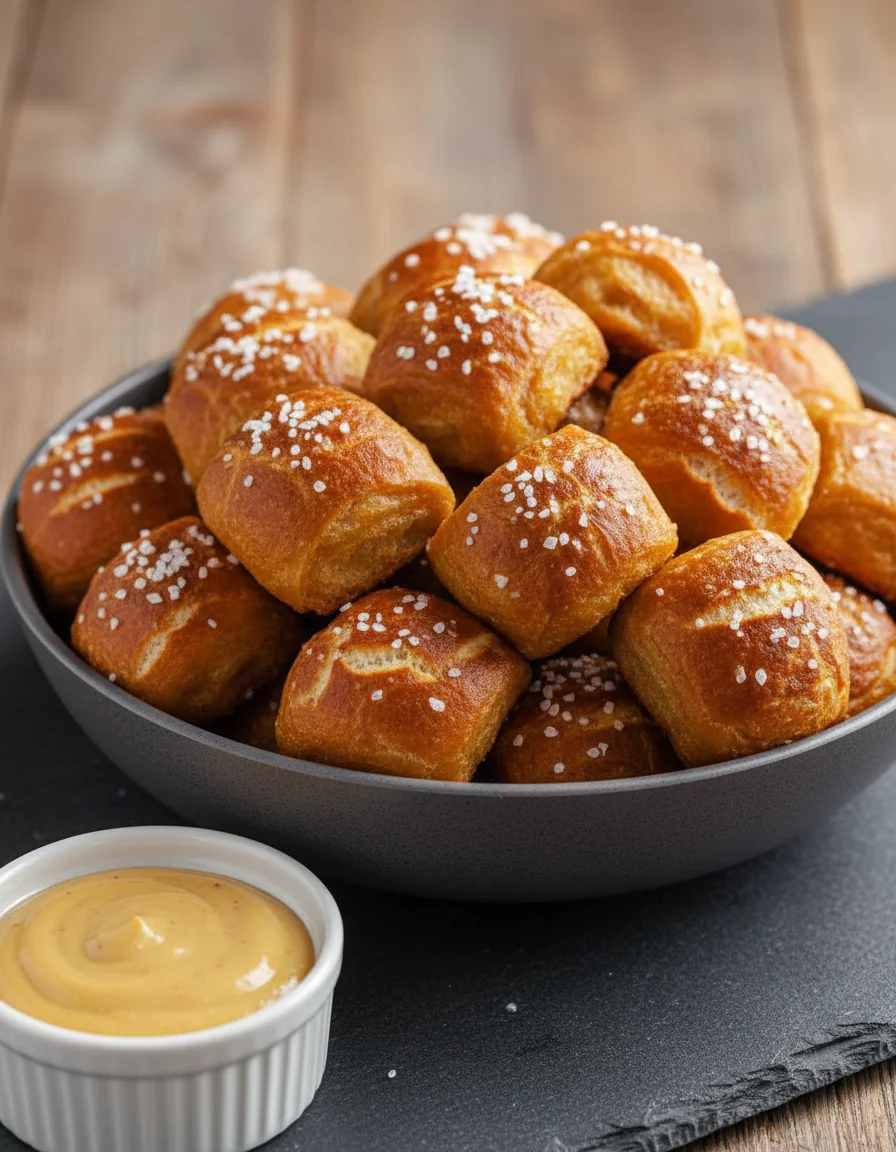
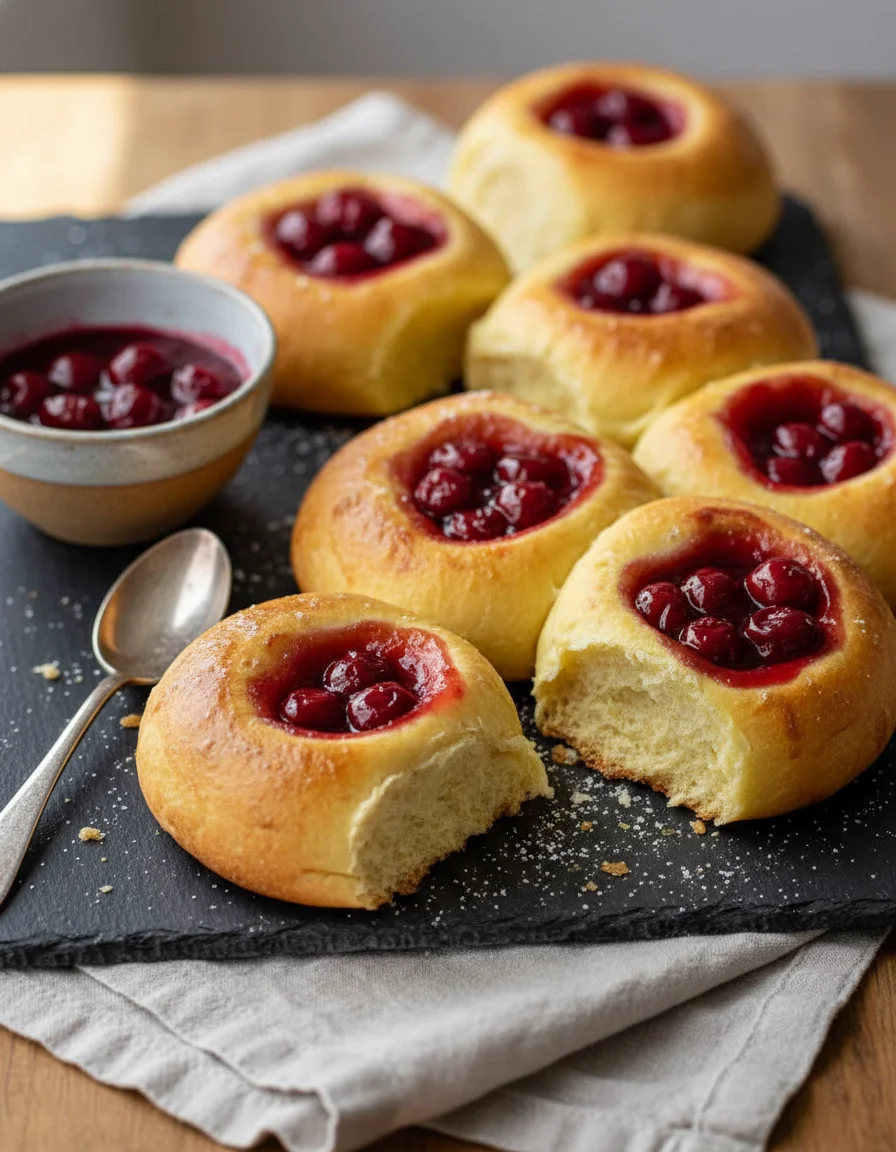
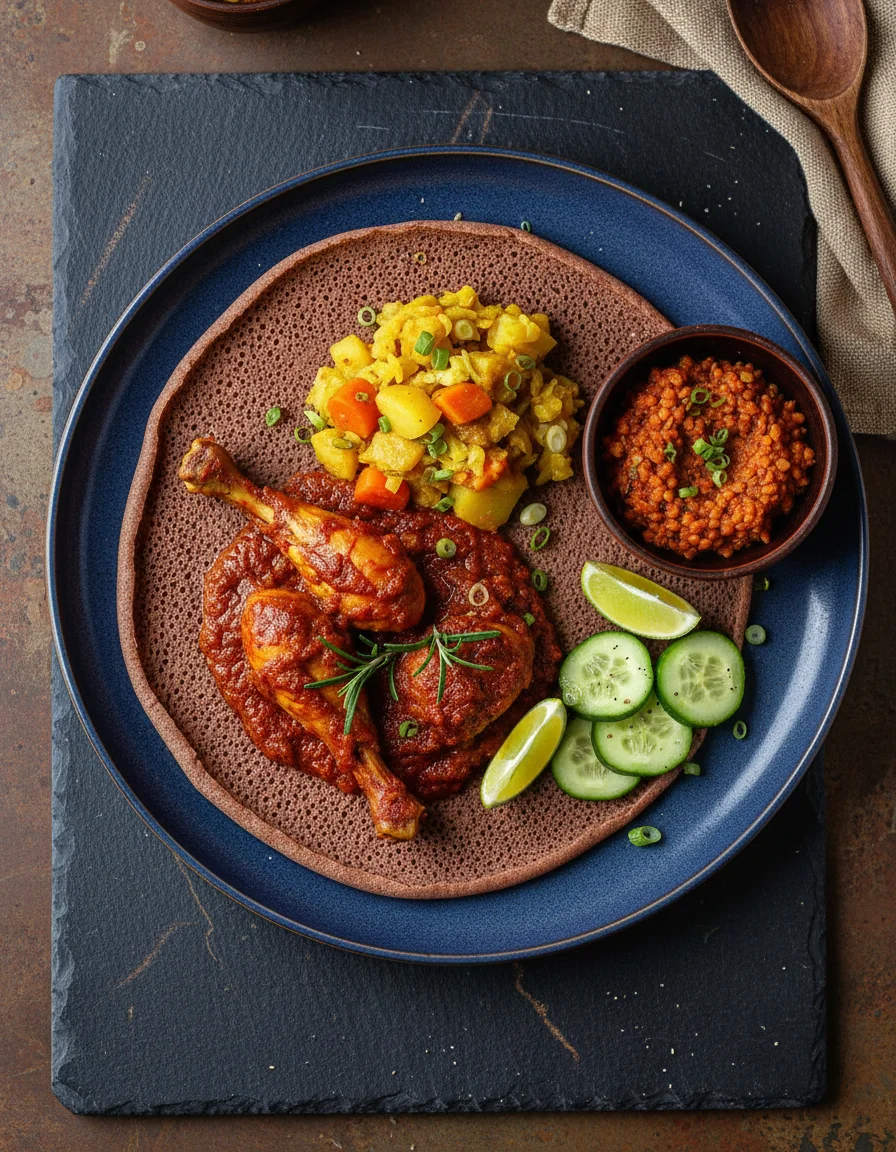
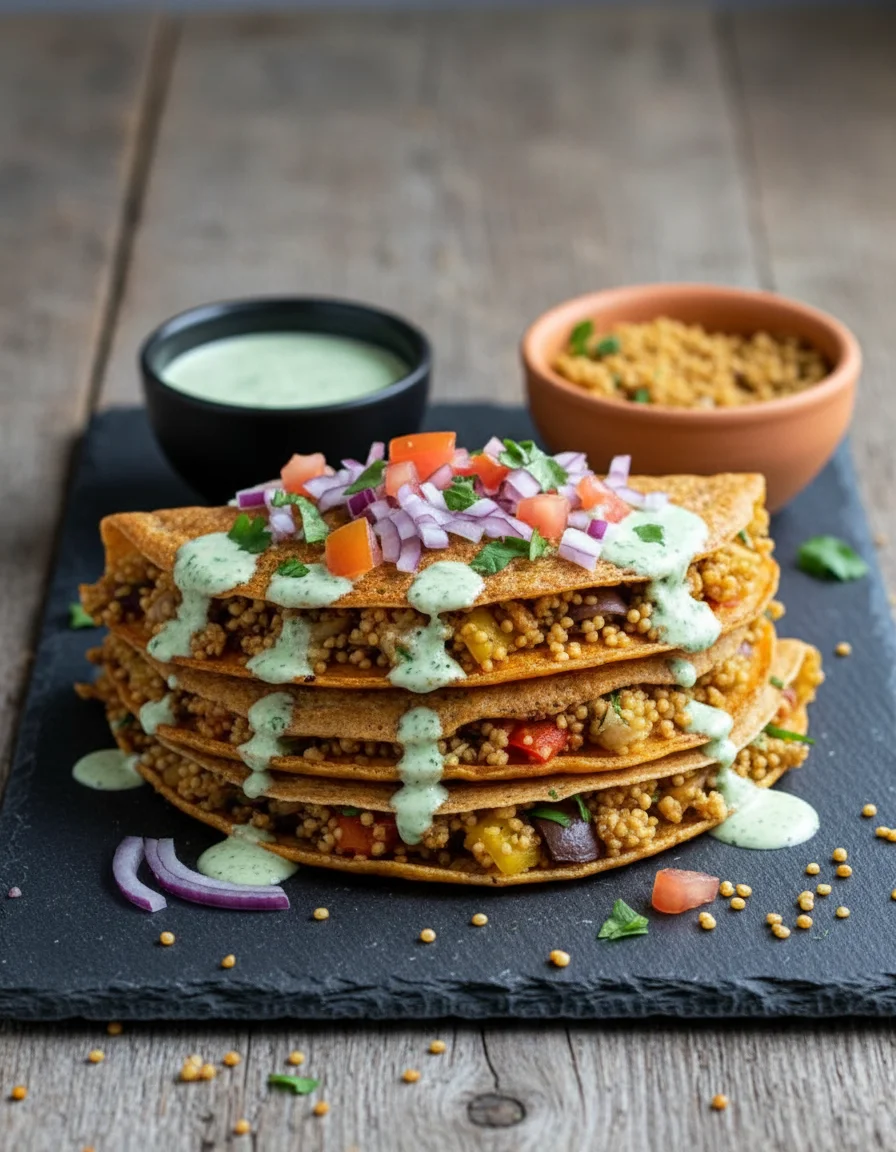

Showing 17 of 17 recipes